
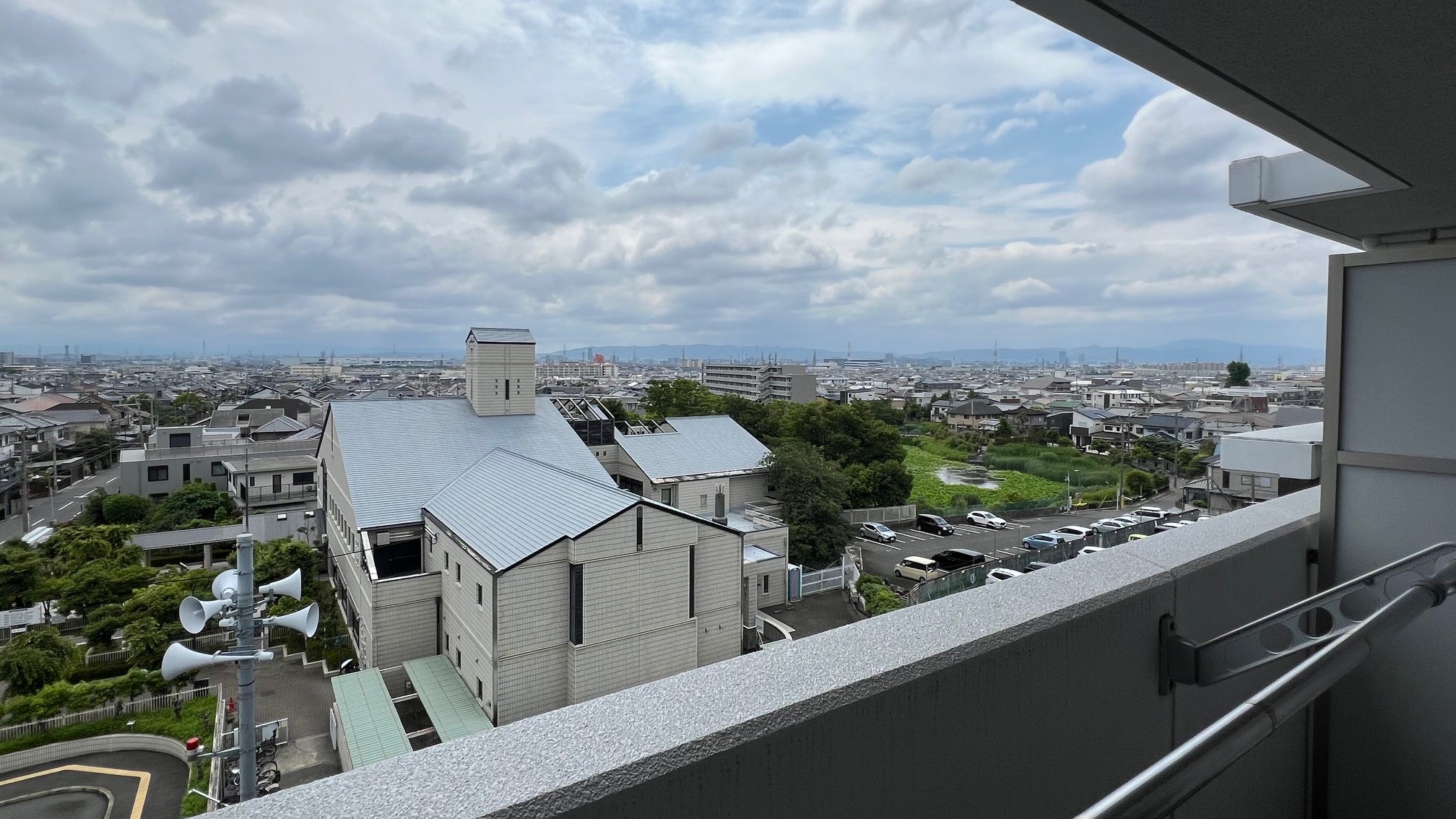
I woke up around 9 a.m. My body was completely wrecked from last night’s intense tennis session. I couldn’t get myself out of bed for a while. My stomach was growling, too. Still, I somehow managed to sit up, opened the curtains. It was Sunday morning, June 1st. There were clouds in the sky, but it was bright. I didn’t have anything to eat at home, so I put on the black Nike cap I bought yesterday and headed to the convenience store to grab a rice ball and some green tea for breakfast.
Now then, what should I do today? I was so frustrated by yesterday’s lesson that I booked another one at 2 p.m. as a form of revenge. But playing two days in a row takes a toll on the body and isn’t the most efficient way to play long-term. Ideally, I should take a day or two off between sessions. I take lessons once a week in Osaka and once a week in Tokyo at a different school. Since I plan to divide my work between Tokyo and Osaka each month, I can manage two lessons per week by adjusting the schedule. My plan is to take regular lessons on Tuesday and Thursday nights. On weekends, I’ll either use extra tickets, join a practice session with friends, or enter a match online.
As I debated whether to go through with two days of lessons in a row, I began wiping down the kitchen to loosen up my tired body. I put away the dishes I washed yesterday. In the fridge, I found a little cabbage, carrot, enoki mushrooms, and spinach. The spinach could wait a bit longer, but the rest needed to be used up soon. I decided to have soba noodles for lunch and went to the supermarket to buy some vegetable fritters (kakiage). I picked up the kakiage and pork but forgot to buy green onions.
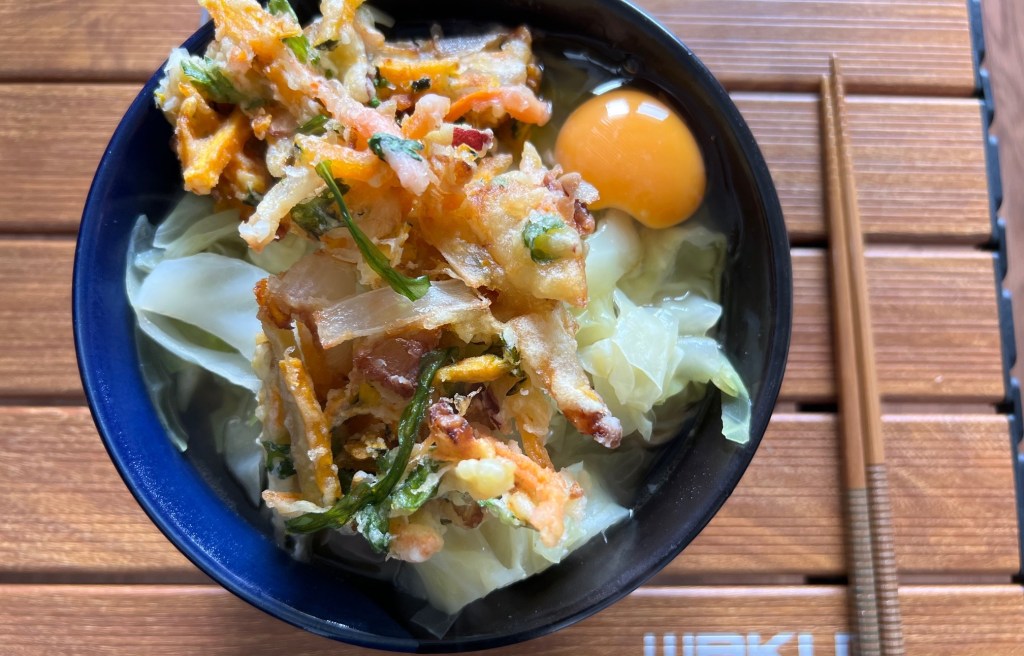
When I started cooking lunch, I decided to skip the carrot and enoki since I already had the kakiage. Instead, I used pork and cabbage. No green onions, but the kakiage had something similar in it, so I let it slide. I boiled soba on one burner and simmered pork and cabbage on the other. For seasoning, I used soba sauce mixed with white dashi, making it into a bonito-based broth. I didn’t measure anything properly, but I always prefer lighter seasoning. I poured the broth over the soba, topped it with the kakiage, cracked a raw egg on top, and it was done. It’s the same soba I always make, but generally, cabbage is not commonly used with soba. Also I might have used a bit too much cabbage this time. It felt more like I was eating cabbage than soba. Still, I love the taste of boiled cabbage, so I tend to go heavy on the vegetables. That said, 158 yen for a single serving of kakiage felt a bit steep. Plus, it’s oily. I might hold back on buying it next time.
After eating, I washed the dishes and took a breather. There was some coffee left from yesterday, so I warmed it up in the machine and poured it into a pot. Next time I grind beans, I’ll try a coarser grind.
Now that I was full and feeling energized, I decided to go to the 2 p.m. lesson after all. I reflected on yesterday’s session. We practiced return-and-rush. The drill was to step forward just as the opponent tosses the ball for their serve, then take another step in and perform a split step as they hit the ball. From there, drive your lead foot forward and strike high into the opponent’s backhand side. Up until now, my return-and-rush was entirely self-taught, so this movement wasn’t ingrained in me. I kept making mistakes, and as I repeated the drill, I started rushing. I lost form in the basics—how to approach the ball, how to stay centered, how to rotate my hips from the pivot foot while keeping my arms relaxed and striking at the optimal point.
Yeah… it became a mess. But come to think of it, this is the path everyone goes through when leveling up their technique. Trying to learn a new movement overwhelms the brain, and things you could do unconsciously before start to fall apart. It’s the cycle of “breakdown” and “integration.” You isolate a part of the movement, refine it, and slowly bring it back together into a smooth, fluid motion. It takes time, but the key is not to panic when things fall apart. I want to believe in this process and listen closely to my body as I train.
With that mental clarity, I felt ready for the lesson. Tennis, I’ve come to think, feels less like a ball sport and more like ballet or dance. There’s a strong mental aspect too. And at the same time, it carries the spirit of martial arts. For me, it’s a very special sport. All right then—today I’ll focus on gradually increasing what I can do, without fear of failure.

At 1:30 p.m., I got on my bike and headed to the court. The sun was getting stronger. The wind still felt good, but the brutal summer for riders was just around the corner. Today’s lesson had nine participants—a big group. The content was the same as yesterday, but with three times the number of players and slower returns, I could take my time to go over the fundamentals. Even though it was the same hour-and-a-half session, my body didn’t feel as strained. Repetition is key in tennis. I want to build on this and play with more composure. The coach suggested incorporating an early split step for the first volley after a return-and-rush. That, too, will take conscious effort.
At 4 p.m., I returned home and took a lukewarm shower. I had a sip of coffee from the pot and tackled the laundry. As always, there was a mountain of tennis shirts. In summer, laundry piles up fast. The new apartment doesn’t have a dryer, so that might be a bit of a challenge. I hung everything on the balcony and, once settled, spaced out a bit while sipping my coffee. I can hear the sounds of train crossings, the Hankyu line trains passing, and buses opening their doors at regular intervals. Planes don’t seem to fly over this area much. Back in Machida, the sound of jets in the distance lingered, but not here—it’s peaceful.
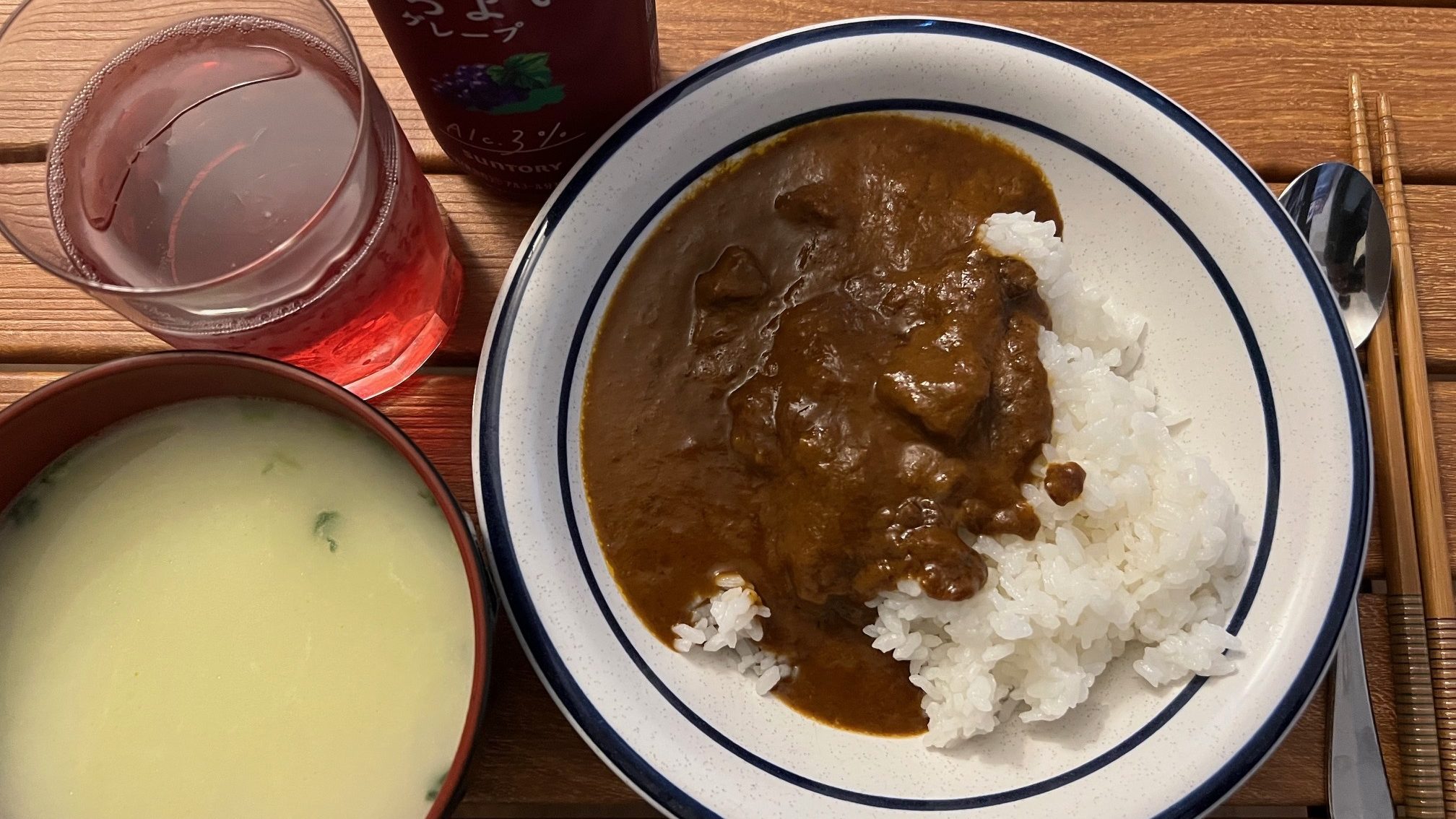
At 6 p.m., I had dinner: a pouch curry and some soup pasta. I added a low-alcohol sparkling wine for a light treat. This curry was something my wife recommended. I found it at a supermarket in Osaka and bought a few for later. All it takes is boiling water to heat it up—no hassle at all. This marks the end of my day. A tiny reward and a quiet preparation for tomorrow. Work resumes again, and I’ve got a hefty batch of blueprints to finish. I’ll turn in early tonight to avoid carrying fatigue into the week.
 Canon's Diary
Leave a comment