Canon's Diary

Action without thought is empty; thought without action is blind – Goethe

While living with schizophrenia, I move between Tokyo and Osaka. Through this journal, I hope to quietly share moments from my daily life—and memories from the journey I’ve taken with my illness.

  • The water is very cold when I wash the dishes in the kitchen. After finishing breakfast—pork miso soup I had made ahead of time and bacon and eggs—I did a quick cleaning of the room and hung the laundry out on the balcony. It was ten o’clock on a Saturday morning. From the sixth floor of my apartment building, I looked up at a clear blue sky. There were hardly any birds singing.

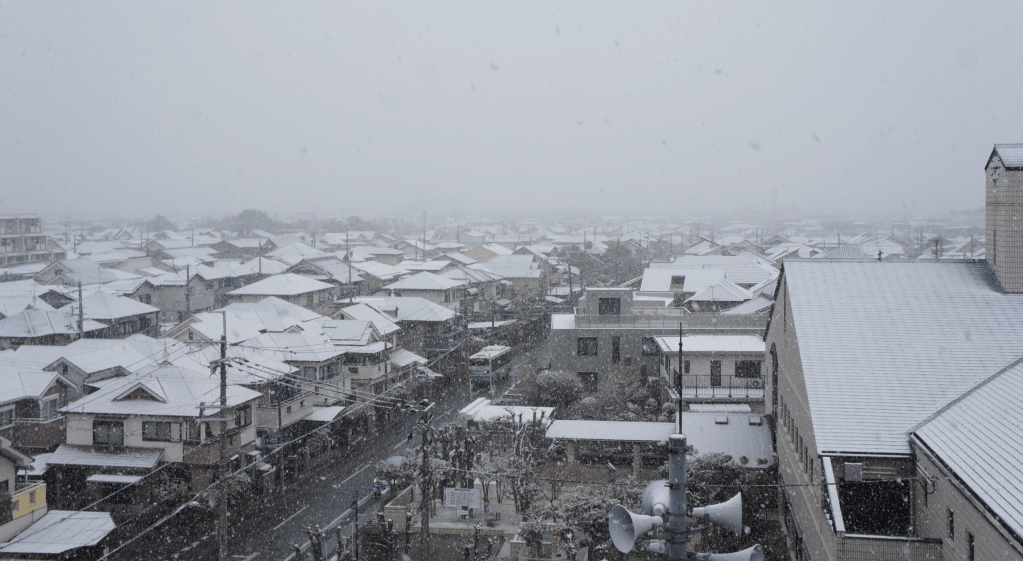
    Four months ago, when the trees were overflowing with green and the sunlight was strong enough to drain one’s strength, the pond called Koderaike had been covered thickly with aquatic plants. Now, without my noticing when it happened, they had disappeared from the surface of the water. The large tree in the library’s backyard had also shed all of its leaves. The winter wind had grown sharp, and I no longer opened the windows. The heater was on inside the room, creating a noticeable difference in temperature from the outdoors. When I boiled soba in the kitchen, the window fogged over in white.

    The seasons had passed. It had been almost eight months since I began living alone, transferred to the company’s head office in Osaka this April. Life in Takatsuki had started to feel familiar. Eating alone is manageable enough; on weekdays I get by with frozen meals and dishes prepared in advance—cabbage soup, pork miso soup, keema curry. To avoid falling into a rut, I enjoy making pasta and the like on weekends. Work has been getting busier day by day, and sometimes even Saturdays turn into workdays. It has been a long time since I last left an essay here. I feel apologetic toward my readers.

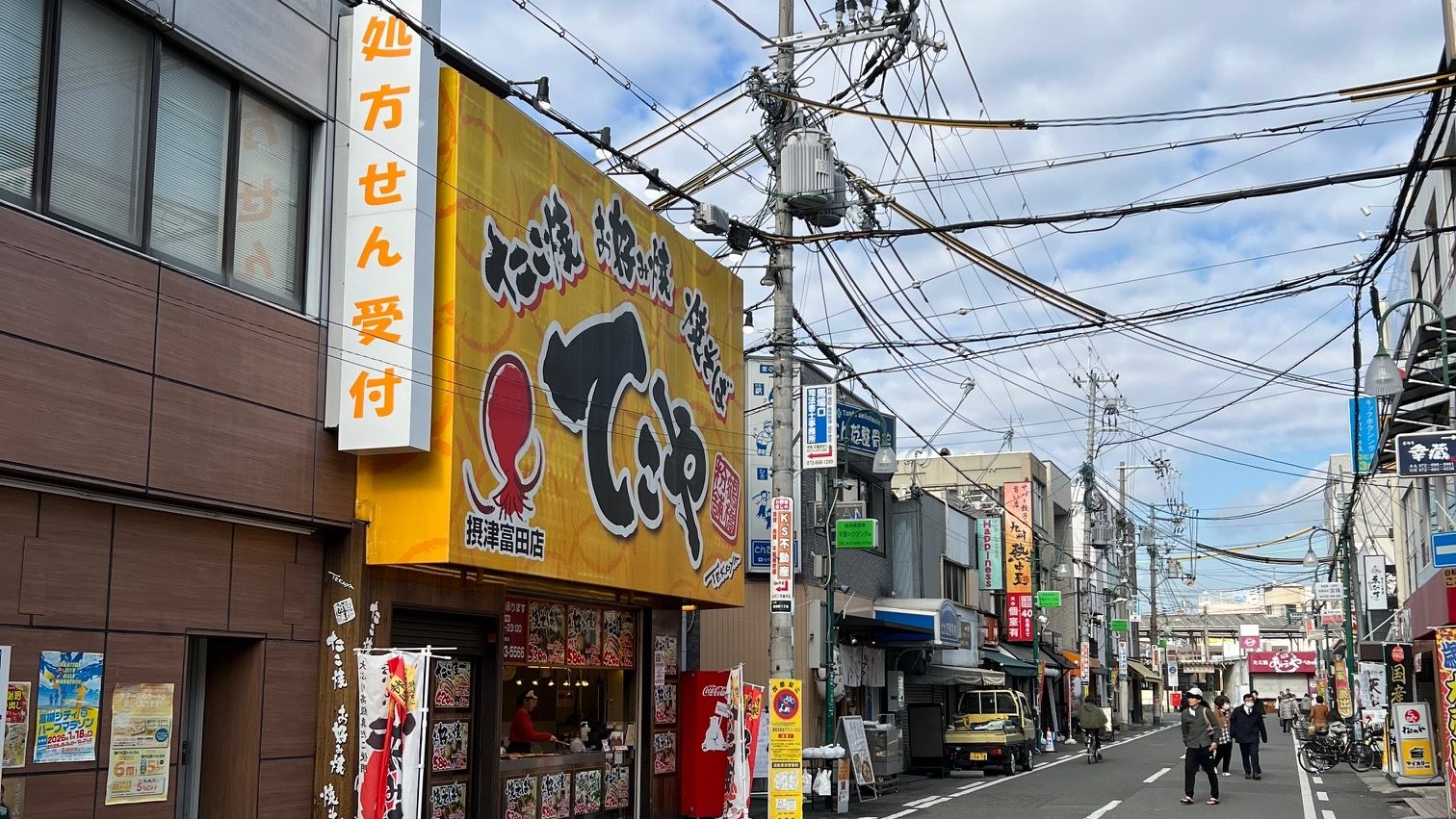
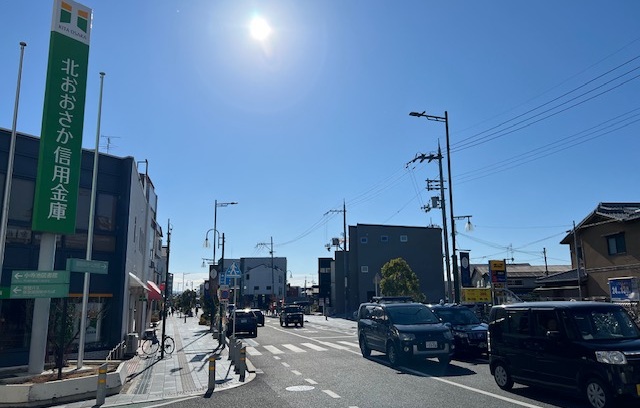
    After boiling some coffee and calming myself a bit, I went out to the supermarket to buy ingredients for lunch. Leaving the apartment and turning left, I reached a slightly wider road that leads to a railroad crossing. I might not have needed my down jacket. The sunlight was so gentle it made me doubt that the year was already nearing its end. The sound of the crossing was as noisy as ever. Perhaps because of the warm weather, the people passing by seemed cheerful. My breath didn’t even turn white. At a takoyaki stand facing the shopping street, a young woman in a red sweatshirt and black apron, her head wrapped in a triangular bandana, busily turned the ingredients on the hot griddle. Next to her, a man who looked Indian was promoting keema curry bento boxes in broken Japanese. Just beyond the corner of a narrow alley, a curry shop sign was visible.

    I bought pork and green onions at the supermarket and returned to my room. Making soba had become second nature by now. I ate quickly and let out a small sigh of relief. I had a slight headache that morning from the company’s year-end party the night before, but the soba helped clear my head. Somewhere in the distance, I could hear the whistle of a train.

    This year, I had attended three year-end parties. All of them were work-related, so there was no wild revelry—just uneventful gatherings. On December 26, the last working day of the year, there would be a company-wide closing party at headquarters, an annual tradition where everyone acknowledges the year’s hard work. The next day, on the 27th, I would take the Shinkansen back to Tokyo to meet an old friend. It might be our first meeting in about twenty-five years.

    He was a colleague from the same workplace when I was transferred to Shizuoka at my previous company. We spent about four years together, starting when I was around twenty-eight. At the time, I was mentally at my limit. He would invite me to his apartment just to listen to my complaints, and we often drank the night away together. Even after I married my wife—when my mind finally went beyond its limit and collapsed, and I was diagnosed with schizophrenia—he stayed by my side. Yes, he is one of the very few friends who knows about my illness.

    I almost never talk about my condition with others. This is something I learned through experience. No matter how close people become, once I tell them the name of my illness, they quietly drift away. After our workplaces changed, he and I had grown distant as well. That’s why it surprised me when the message suggesting we get a meal together came from him.

    A great deal of time has passed since then. Back then, he married a woman who had been a nurse and his tennis partner. It was her second marriage, and as I recall, she had a son who was about six years old. That boy must be around thirty by now. I, too, have gone through many experiences since those days. My mind is far more stable than it ever was back then. There are countless things I could talk about. And yet, for some reason, what I want now is simply to listen quietly to his story.

    In front of my apartment building, there is a bus rotary, and from time to time I hear the sound of buses passing through. I need to take care of the dishes from lunch. It’s a warm day for winter, but without the heater, the room still feels a little chilly. It had been a long time since I last enjoyed such a calm weekend. Tonight, I think I’ll warm up a pizza and eat it.

  • Monday, September 15, 2025. A cloudy sky. The air was pleasantly cool, and for the first time in weeks I turned off the air conditioner, opened the window, and let the outside breeze drift in. In Japan, today is Respect-for-the-Aged Day, a national holiday. The scaffolding that had long surrounded the exterior walls of my building is finally set to be dismantled tomorrow. Through the open window came the many sounds of daily life. At regular intervals I could hear the Hankyu trains pass by—the local train clattering lazily, the express rushing past with a high-pitched urgency. The jarring clang of the railway crossing, so familiar on my commute, does not seem to reach my sixth-floor room. A scooter rattled down the street in front of the building, and now and then the voices of children floated up from below.

    It was a quiet morning. Breakfast was already finished, the dishes washed. Only the kitchen light, forgotten, still shone. Beside me, a black fan turned slowly. In front of me, the 55-inch television sat dark, a silent black rectangle that disturbed the balance of the room.

    After two days of tennis, fatigue lingered in my body. My muscles ached. Sitting still posed no problem, but if I so much as began to tidy the room, my thighs and abs cried out, “Please, not today—give us a break!” My neck felt stiff as well. Perhaps I had gripped too tightly during practice, still unaccustomed to the heavier racket.

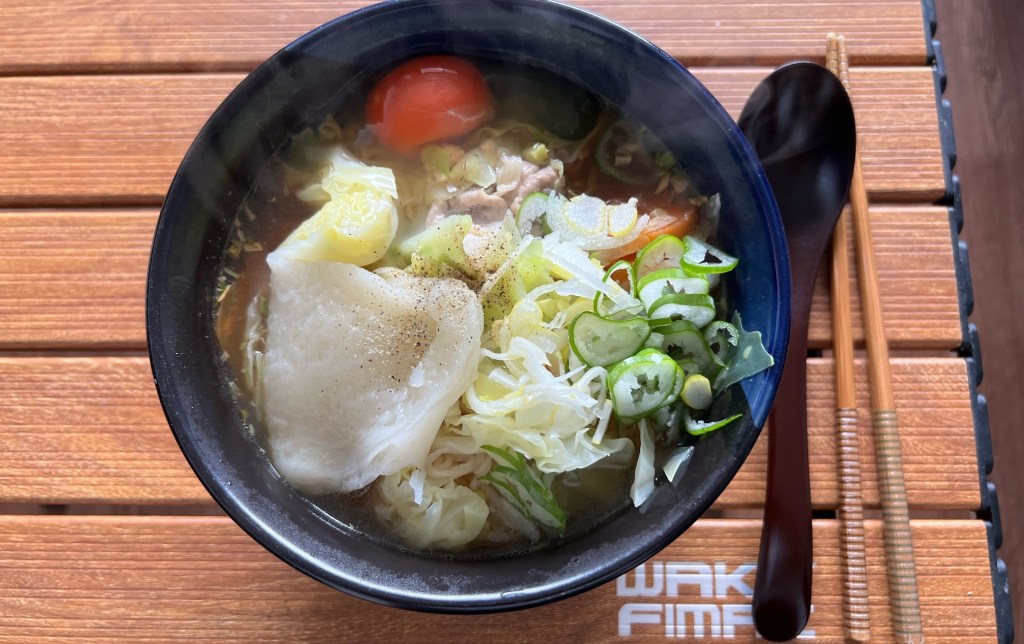
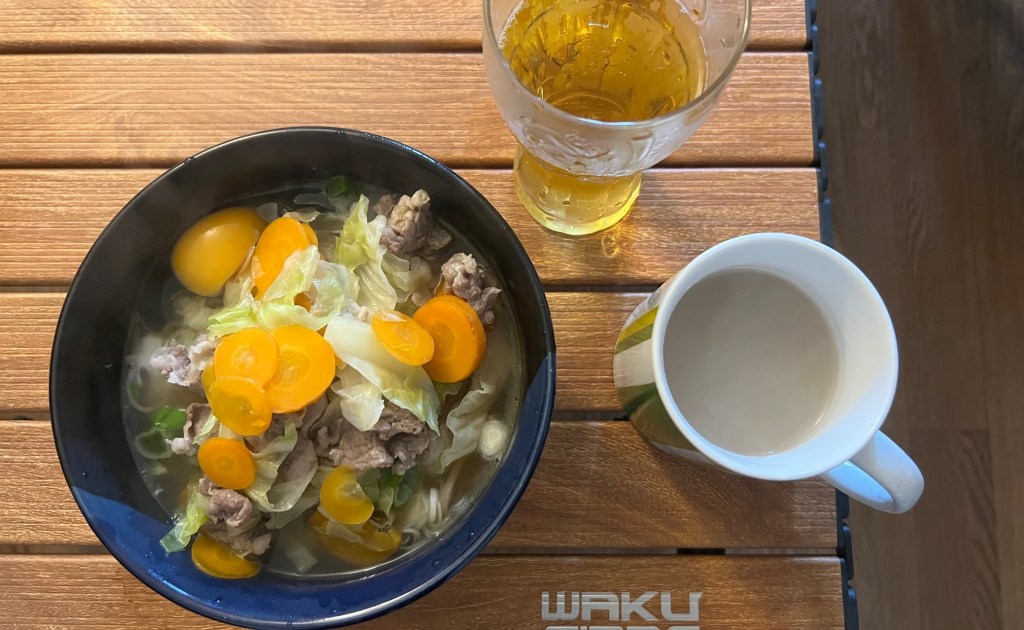
    At noon I began preparing lunch. I set one pot to boil buckwheat noodles made entirely from soba flour. In another pot, I cooked cabbage, pork, and the last of the enoki mushrooms. I flavored the broth with soba sauce and white dashi, then placed the noodles and chopped green onions into a bowl, pouring the hot soup over them. The cloudy cooking water became soba-yu, poured into a cup to drink. As always, I added a raw egg. The distinctive thickness of 100% soba matched well with the crisp bite of the mushrooms. This meal has become my holiday staple.

    After lunch, warmth spread through my body. In the afternoon, a little sunlight broke through, heating the room again. I closed the window, turned on the air conditioner, and sank into my chair, heavy with post-meal drowsiness and lingering fatigue. I had made no plans for the day. I intended simply to drift through it.

    That morning I had watched a satellite program introducing A Coruña, the “glass city” in northwestern Spain. The camera wandered at eye level through the streets, chatting warmly with locals while revealing the region’s culture and its people’s affection for their city. Facing the ocean, A Coruña shimmered with beauty. Its buildings carried both sunlit vibrancy and centuries of history. It was a life unlike anything in Japan—unique, breathing, irreplaceable. At open-air cafés, people laughed in conversation. At nine in the evening, the streets were still bright, lined with bars, alive with dancing and song. Southern Europeans seemed cheerful, open, and deeply proud of the places they called home.

    By comparison, my own life may feel somewhat solitary. Perhaps only when playing tennis do I sense true communication with others. Japanese people are often described as quiet, reserved, hesitant to show emotion. To us, holding back one’s assertions is not weakness but a way of sparing others unnecessary agitation. Yet in countries where self-expression is expected, such restraint may be difficult to understand. In my younger years, I could not embrace that quietness; I immersed myself in foreign companies, hungry for cross-cultural exchange. But now, at this age, I finally find beauty in the modesty and humility of Japanese culture. I no longer envy the exuberance of southern Europe. Instead, I accept the flow of my own culture, and in doing so, I no longer feel out of place within it. Strangely, this shift has made it easier to endure petty office politics or the broader unfairness of society.

    In the late afternoon I went shopping for dinner. By four o’clock the heat had eased. I wove through the usual crowd of people and bicycles along the Tomita shopping street. There were no greetings exchanged. For dinner I planned to make pasta, so I placed spinach and bacon in my basket, along with a grilled fish I had not eaten in some time. At the checkout, the cashier asked me the familiar questions.

    “Would you like a bag?”
    “No.”
    “How will you pay?”
    “Credit card.”

    It was a formulaic exchange, absent of overt emotion. Yet we both knew: when you look someone in the eye, you can usually glimpse what lies behind their words. Today, the cashier offered me a faint smile.

    Back home, I set water to boil for the pasta. On another burner I sautéed spinach and bacon with a touch of garlic, then added milk and seasoned with consommé before tossing everything with the pasta. Simple, but satisfying.

    It had been a long while since I allowed myself such a leisurely day. I felt restored, ready to face the week ahead.

  • Wednesday, September 10, 2025.
    Today, I was scheduled to visit a client in Toyosu, Tokyo, on a business trip. Dressed in a white shirt without a tie, I left Settsu-Tonda Station at 8 a.m., boarded the Shinkansen from Kyoto, and headed toward Shinagawa. Just yesterday, I had wrapped up a kickoff meeting with another client near Yumeshima in Osaka, leaving me with a mountain of tasks. On top of that, I now had another project meeting with a different client, pressing down on me.

    I was supposed to review the meeting documents on the morning train, but my body was worn out, and I found it hard to concentrate. Two passengers behind me kept chatting loudly, further scattering my focus. To drown out their voices, I put on my earphones, listened to quiet music, and stared at my laptop—but in the end, I slumped into my seat and dozed off.

    At Shinagawa, I transferred to the Yamanote Line and made my way to Yurakucho. Earlier in the day, a linear rainband had formed over western Japan, causing delays on the Sanyo Shinkansen. But by around 10:30 a.m., central Tokyo was sweltering under harsh sunlight. The station platforms were stifling, humid, and exhausting to walk through. Compared to Osaka, Tokyo’s central stations are far more labyrinthine, with endless underground passages.

    I got off the Yamanote Line at Yurakucho, and before switching to the Yurakucho Line, I wandered around in search of lunch. Though still in the heart of the city, the slightly aging streets carried a different feel. Beneath the elevated tracks, rows of eateries stood as if they had been there forever. I chose a soba shop, stepped inside, and ordered a soba-and-curry rice bowl set.

    The shop owner, an older man, was gruff. “Hot or cold?” he barked.
    “Hot, please,” I replied, taking a seat at the narrow counter. Water was self-service, and after eating, you were expected to hand your dishes back to the owner and wipe down the table yourself. Yet, somehow, the place carried a nostalgic charm—a true downtown Tokyo atmosphere. In contrast to the brusque owner, the friendly female staff member left a lasting impression.

    Leaving the shop with a toothpick between my teeth, I boarded the Yurakucho Line and arrived at Toyosu. Compared to Yurakucho, Toyosu was a polished office district. Emerging from Exit 1C, modern buildings lined the streets. Walking about 200 meters north, I found myself captivated—not by the stone pavement beneath my feet, but by the leafy green archway woven overhead between the towers. Food trucks sold kebabs, and even glasses of wine were available at street stalls, showcasing a very different face of the city than Yurakucho.

    I joined my colleagues and attended a two-hour kickoff meeting. My boss, though younger, had more industry experience, and he handled this high-stakes kickoff with ease. He carefully presented the materials I had prepared beforehand. We hadn’t rehearsed, yet he spoke fluently as if he knew the contents inside and out. Even small contradictions in the documents, he patched up smoothly with his own insights. I thought to myself, He’s got this today. Fatigued, I refrained from adding much and simply observed the meeting in silence.

    The meeting ended successfully, and I left Toyosu. Parting ways with my boss—who had somewhere to stop by in Shinagawa—I bought a fried chicken bento and a can of highball, then boarded the Shinkansen. On a weekday evening, the train bound for Osaka wasn’t too crowded: just a scattering of office workers in white shirts and women with suitcases. Fewer foreign tourists than usual, I noticed. Outside, the sky was dark, and the fluorescent lights inside the carriage felt especially bright.

    Finally, I could switch into off-mode. I opened my bento and began to eat. Yes, it’s moments like this—quietly eating—that I feel most at ease. At home, a brand-new tennis racket awaited me, still untouched in its box. I imagined myself trying it out over the weekend, and as the train sped through the darkness, I closed my eyes for a while.

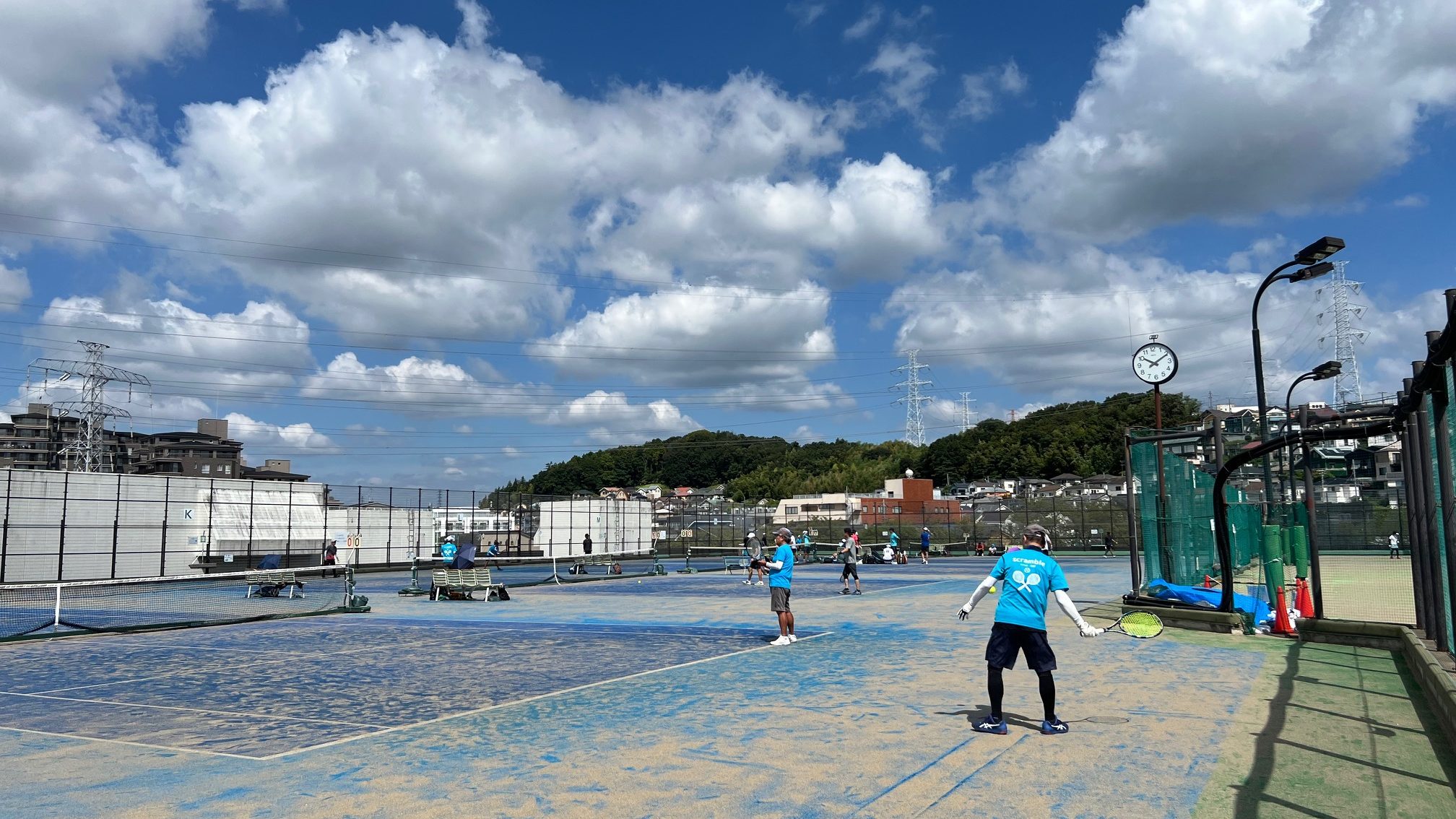
  • Sunday, September 7, 2025. A blazing sun. At 7:30 in the morning, we gathered at the tennis courts on the roof of the Naruse Clean Center. The city-run courts are built on top of a sewage treatment plant — a rather unusual setting. Fourteen omni-surface courts stretch out across the rooftop.

    Our team, made up of five pairs, ten players in all, had only just been promoted to Division 2 in Machida City’s team competition last year. Today was our first time facing the division’s strong teams. Playing outdoors, the sound of the ball striking the racket carried as a dull, dry thud across the courts. My T-shirt and cap were soaked with sweat almost immediately.

    Our first match was against a team called Orange, recently relegated from Division 1. We were crushed, 0–5. We dropped into the consolation round and scraped through the first match there with a 3–2 win, managing to keep our spot in Division 2.

    It was brutally hot. From time to time, a breeze hinted at autumn’s approach, but the ultraviolet rays were fierce. I never let go of my parasol. During breaks I wandered around, searching desperately for even a scrap of shade. Of course, you can’t hold a parasol while you play, and by the end of the day, my face and arms were deeply tanned.

    That day, my wife was also competing in the women’s team event at the same venue. The courts were crowded, and I ran into many familiar faces, chatting with quite a few people throughout the day. The matches wrapped up around 3 p.m.

    Once home, I showered and prepared a bento to eat on the Shinkansen ride back. I kept it simple: reheated frozen beef bowl topping over freshly cooked rice, with broccoli and a boiled egg on the side. I had a haircut appointment at 5:30, and that finished after 7 p.m. My wife drove me to the station, and I boarded the Shinkansen. At this hour, I knew I wouldn’t get back to the apartment until after 10 p.m.

    It had been a hectic weekend. When I left our home in Naruse, I noticed my mother looking a little lonely. We’d shared some peperoncino and a short conversation on Saturday, but today my wife and I were out the whole day, leaving her alone.

    Next time, when I return in two weeks, I’ll make sure to spend more time with her. By then, the lingering summer heat will have faded, and I hope we can sit together in the cool breeze and talk at our leisure.

  • Saturday, September 6, 2025. The typhoon that had swept across Japan the day before left the Tokaido Shinkansen badly delayed. Having given up on returning to Tokyo yesterday, I boarded the Nozomi 116 this morning after taking a JR line into Kyoto. A white Nike cap pulled low over my eyes, a beige Uniqlo T-shirt, black sports pants, and high-cut black Converse on my feet. Two tennis rackets and a large bag in my hands.

    The sky, freshly cleared after the storm, stretched brilliantly blue. In the morning, the air was still pleasant, but by noon the fierce heat had returned. Through the train window, the mountains shimmered in the sunlight, their greenery glistening as if polished. At Kyoto Station I bought a sandwich, which I ate with the coffee I had brought from home. The train was crowded with families and foreign tourists, the overhead racks crammed with oversized suitcases.

    Tomorrow is a team tennis match in Machida. My sense for competition has dulled, so I had arranged to practice this afternoon with old friends in Tokyo. My wife would join as well. I wanted to feel the bounce and pace of the ball on the same court surface as tomorrow’s venue.

    At Naruse Station, my wife was waiting in the car.
    “I bought them—garlic, chili peppers, and parsley.”
    “Thanks. We’ve got pasta at home, right?”
    Though we’d been in touch through LINE, it had been almost a month since we last met. Still, it didn’t feel like much time had passed. Tonight we had promised to cook peperoncino together.

    After resting a little at home, we headed to the courts in Naruse. The sun was strong, but with practice starting at three o’clock, the heat was gentler than it had been around Obon. I focused on the themes I wanted to work on, letting the feel of the ball return to my hands. It had been a while since we all gathered. We caught up on each other’s lives, and I shared my recent days in Osaka. The mood was easy, the play relaxed. Adjusting to the bounce on this different surface was a challenge, but as preparation for tomorrow, the practice was more than enough.

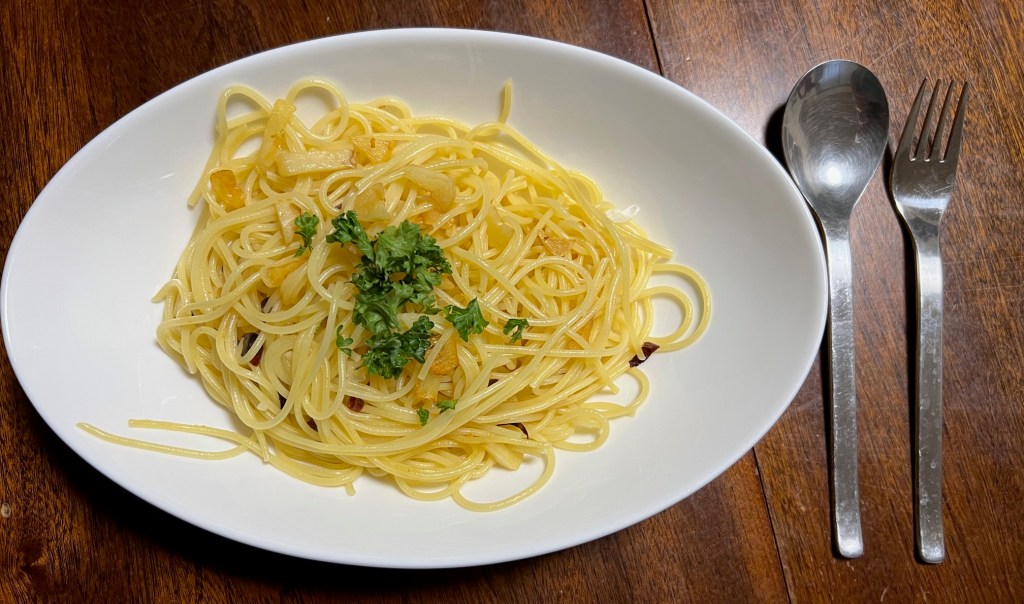
    Back home after a shower, I began cooking the peperoncino. Garlic and chili sautéed in oil, pasta tossed in while still steaming. But I had added too much chili. The result was fiery, almost punishing. With gulps of barley tea I managed to finish the plate, laughing with my wife and mother afterward about how to get it right next time. Another lesson, I suppose.

    Later, with dinner behind me, I sat in my room with a glass of Scotch, the lights dimmed so that sleep might come easily. Somewhere in the distance, fireworks cracked against the night sky. Festival season. As a child I loved those summer fairs—the goldfish scooping, the ring toss, the cork guns at the shooting stands. Long ago, yet vivid in fragments. Who was I with back then? A classmate from grade school? Or was I alone? I can’t quite remember.

    The fragments rise and fade, drifting faintly across the summer night sky.

  • Wednesday, September 3, 2025. By the time I got home, the surroundings were already dim. There seemed to be a few more clouds than usual. The morning and evening news keep reporting on the lingering summer heat, but I can feel that the days have started to cool down a little. While I feel relieved that the sweltering days are finally coming to an end, there’s also a faint sense of loneliness in the air.

    Since I had a tennis lesson at 8:30 p.m., I kept dinner light with just a cup of instant noodles. Work has been busy these past few days, but I’ve regained enough strength to go to tennis practice on a weekday night. With a team match coming up this weekend, I wanted to check my serving form. I plan to keep my practice moderate so that it won’t interfere with work the next day.

    The hottest summer on record is about to come to an end. As I headed out, the night breeze felt pleasant against my skin — a gentle reminder that summer was truly coming to an end.

  • Monday, September 1, 2025.
    After returning from work, I finished my dinner: grilled yellowtail, a few shumai dumplings, and a ham-and-egg rice bowl. Lately, I’ve been making a conscious effort to eat more fish, thinking about balance and health. Since I rarely cook it at home, I choose fish dishes at the company cafeteria whenever they appear on the menu. There’s something calming about eating fish, though I can’t quite explain why.

    On my way home I stopped at the dentist. The X-rays showed a gap between my wisdom tooth and the molar beside it, a small space where food tends to get caught, raising the risk of decay. The dentist recommended extracting both upper and lower wisdom teeth on the left side. I hesitated. Years ago, I had the ones on the right removed at a university hospital’s oral surgery department, an ordeal that felt more like a major operation than a routine treatment. This time, though, my dentist—also trained in oral surgery—assured me that techniques have advanced, and that given the way my teeth are positioned, the procedure should be relatively straightforward. Reluctantly, almost against my will, I found myself nodding. Still, a weight settled in my chest.

    I was given some counseling, too. Toothpicks, I was told, can widen the gaps between teeth; interdental brushes are a better choice. And, of course, I was encouraged to keep brushing after every meal.

    When I glanced at the clock, it was already nine. Outside, the sound of a Hankyu train rumbled in the distance, rattling the windows for a moment before fading away. I didn’t feel like watching television tonight. With a team tennis match in Machida scheduled for the weekend, I’ve decided to attend a lesson tomorrow after work. Turning over my service motion in my head, I poured myself a small glass of Scotch. And in that quiet way, another ordinary day drew to a close.

  • Saturday, August 30, 2025. For lunch, I had soba with cabbage, carrots, and pork. Lately, I’ve been drawn to soba made entirely from buckwheat flour. Its flavor is rich, its texture slightly dry at first, yet springy and chewy at the core. I also enjoy the simple pleasure of finishing the meal with soba-yu, the warm water in which the noodles were boiled.

    Though it was midday, I kept the curtains drawn. Scaffolding had been set up around the condominium for exterior work, and from time to time workers passed right by my window. My apartment is on the sixth floor. I can imagine how hard their job must be, but the sense of weekend freedom feels diminished.

    Inside, the room was dim, a contrast to the blazing sun outside. A fan whirred gently, sending a soft breeze from my right. On impulse, I ground some coffee beans and brewed a pot. The grinder, once an experiment, has quietly become part of my household. The rich aroma filled the air. In this way, I passed a quiet afternoon.

    As I leaned back in my chair, my thoughts began to drift. I found myself looking back at the past. My illness has settled now, but the years from twenty to forty-five were, for me, a “lost twenty-five years.” Outwardly, I lived in different places, met many people, and even married. Yet it felt as if I were walking through fog, always weighed down by invisible chains that made life heavy and difficult. Putting that sensation into words is never easy.

    I remember lying down in the company infirmary during work hours. I remember slipping away to the hospital for garlic infusions after sleepless nights left me too exhausted to function. I remember the hallucinations that overtook me, the cruel treatment I endured from colleagues and superiors. The bitter memories seem endless.

    Now that I am almost back to normal, I want all the more to savor life. I am content with my current work. My tennis has slowed a little with age, yet I still feel able to play competitively. My father’s guitar rests always at my side. I want to try new recipes, too. At the same time, I must remember to rest when my body demands it—pushing myself too far has always been my flaw.

    Toward evening, when the workers had disappeared from view, I opened the curtains. The clouds in the sky were dyed orange by the glow of the setting sun. For dinner, I had chop suey bought earlier at the supermarket, with a spicy Korean glass-noodle soup. Tonight, I have a tennis lesson at eight. I need to repeat the service motion I’ve been taught, and there’s a new backhand swing I want to experiment with. These simple moments, more than anything, bring me a quiet sense of peace.

  • August 27, 2025, Wednesday.
    I came home from work and finished dinner with some leftover keema curry I had prepared earlier. For some reason, I felt like drinking red wine tonight—something I hadn’t done in a while—so I bought a cheap bottle of Bordeaux at the convenience store. Now I’m enjoying it with a bit of cheese I found at home. The TV is off. There’s no music playing. Only the soft hum of the fan turning, and from outside, the occasional sound of cars or motorbikes passing by. A new ceiling light, installed through the hometown tax system, shines above me. Its warm, incandescent-like LED glow casts a gentler light than I’ve ever had in this room.

    ーーー

    From 1991, when I joined my first company after graduating from university and receiving a diagnosis of depression, until around 2000—and again from 2000 to about 2008, after I was diagnosed with schizophrenia—going to work felt unbearable.
    My first job was at an audio equipment manufacturer, in a factory located between Ōmori and Kamata along the Keihin-Tōhoku Line. The neighborhood was crowded with small workshops and factories. I was assigned to design the chassis of projection TVs. It was an unfortunate beginning: a new graduate entering a company already weighed down by depression. Getting up in the morning was nearly impossible, so I was always late—running with my bag slung over my shoulder from Ōmori Station to the factory. My previous experience as a waiter in university had taught me the spirit of service, but such a mindset was useless in engineering design. I remember clearly the sense of despair that overcame me.

    Symptoms of depression differ from person to person, but in my case, it felt as if my heart was gripped tightly by unseen hands. Nights were sleepless, mornings unbearable. I was often late, and my boss scolded me repeatedly. I panicked: How can I possibly survive decades of working life like this? Mental illness was poorly understood then; people looked at it with suspicion, so I kept silent about my condition. But the truth was, I was suffering deeply. Concentrating on work was impossible. I didn’t yet know how to manage my medication—taking too much sometimes sent me into an unnatural high, while other times I fell into crushing despair. I couldn’t control my own emotions. In that state, it was impossible to do my job properly. I made simple mistakes, failed to learn procedures, and was met with shouts from superiors and ridicule from colleagues. To cover up my incompetence, I would play the fool, trying to deflect their criticism. But inside, I was desperate—trying to catch up, trying not to burden others. Now I realize that may have been the problem. Mental illness is a real illness; it cannot be cured by sheer effort or a change in mindset. What I truly needed then was rest.

    Some still believe that mental illness can be overcome by sheer willpower, but at that time such misunderstanding was even more common. Mental illness is not something cured by effort alone. Think of diabetes, a herniated disc, or leukemia—would you tell someone with those conditions to overcome them through willpower? Mental illness is no different. Once it progresses beyond a certain point, the person cannot manage it alone. They need medical treatment. Yet even some doctors and pharmacists lacked understanding. I remember once, when receiving a prescription for antidepressants, a pharmacist sneered: “This is all about willpower.” At home, I found little support either. My mother would tell me to “pray more,” while my father would only warn, “Don’t lose your mind.” I felt I could no longer bear living in that house in Naruse. Just then, a transfer to Shizuoka was decided.

    In Shizuoka, I met a kind friend. For the first time, someone listened to my complaints without judgment, took me out for drinks, stayed by my side. How many times in life can one encounter such a friend? We were almost always together there. Perhaps that’s what friendship is meant to be. I was deeply grateful. To him, it may have been nothing more than kindness. But for me, it became dependence. And dependence, I feared, was not true friendship. Still, I could not help but rely on him. That life lasted just over a year, until 1998, when I was transferred again—this time to Yamanashi.

    ーーー

    Today, my wife called me, unusually. We spoke for nearly an hour. About changing her mobile phone, about my mother’s recent state, about whether we should get another dog someday, about her parents in Yamanashi. The topics were trivial, yet the conversation lingered. Everyone is trying to adapt to new circumstances—not just me. My wife, my mother, each of them in their own way. Perhaps we are all learning to adjust our use of time. And maybe that is why I, too, feel I can move forward again.

    Like the lingering aftertaste of tonight’s red wine, I want to believe in the small steps ahead.

  • August 25, 2025. It was mostly a clear day. The heat outside was said to be relentless, but under COVID restrictions I did not leave my apartment, and so the true feel of the day remained beyond me. From my window I could see clouds drifting at times, but unlike yesterday, there was no thunder or sudden downpour. The day passed quietly. I worked from home—my first day back after a medical leave. Until yesterday, even the slightest mental strain would trigger a fever, but today I managed to perform at my usual level.
    My one-room apartment, rented for a solo assignment, has no space for a proper desk, so I sat in a deep chair in front of the television, balancing my laptop on my knees. Without an external monitor or mouse, I made do well enough. The only disturbance was the occasional jarring noise of roadwork drifting through the walls.

    ーーー

    During my lunch break, memories surfaced. The onset of my depression, ironically, was rooted in an event at the part-time job I loved most: waiting tables. In my university years, I had thrown myself into every challenge, eager to remake myself. By my junior year I was leading the tennis club and taking responsibility for training younger staff at my restaurant job. One day, as I moved across the dining floor, I noticed a colleague instinctively adjusting to complement my movements. That realization—teamwork—struck me with quiet awe. Though restaurant work was not sport, to me it was no less than a team sport. Recognizing that truth, I fell deeply into the work.

    But juggling academics, tennis, and my job took a toll on both my body and mind. In my desperate bid to reinvent myself, I grew increasingly responsible, perfectionist, and unable to apply any brakes to my own effort.
    What I learned at the Machida restaurant could be summarized in simple terms: serve with heart; cooperate and care for others; read the situation and respond appropriately; apologize for mistakes; express gratitude to colleagues. For someone who had never managed group work in school, these lessons marked real growth. By the end, I even carried a measure of confidence, enough to pass along guidance to my juniors.

    Then came the day that undid me. After a long shift on my feet—eight hours of carrying trays—I worked with a younger colleague on the closing tasks: sweeping and mopping the floor, restocking paper towels, straightening menus and chairs, scrubbing both restrooms, brushing down the kitchen, polishing counters and dishes. We did this for 620 yen an hour, nearly every day. In hindsight, the pay was poor, but naïve as I was, I never questioned it. The work was grueling, yet bearable when shared with others.

    But my colleague thought differently. That day, he suddenly set down his cleaning rag.
    “What’s wrong? Let’s finish up and get out of here,” I said. He looked at me with an unfamiliar expression.
    “Senpai, I can’t do this work anymore.”
    “What? Why now? We’ve always done this.”
    “Why do we have to do this kind of work at all?”
    “What do you mean? If we don’t, others will suffer—the morning crew, the chefs…”
    “Let me be frank, Masato” he said.

    What followed shattered the fragile confidence I had built.

    “Not everyone is like you, Senpai. No one else is thinking about others.”

    In that instant something inside me snapped. My mind went blank, then flooded with unwelcome clarity. Work is not charity; it is survival. People feign cooperation, but in truth think only of themselves. Encouragement, rebuke, gratitude, teamwork—so much of it is no more than a façade required for social life. How foolish I had been to believe in it sincerely. My body was that of a university student, yet my heart still that of a child. Inside me, something collapsed with a terrible crash. I could no longer speak. My chest tightened with pain. Standing became unbearable. Somehow I made it home, only to collapse into the living room, unable to move. The next day I still could not will myself to act. Breathing itself felt impossible. Alarmed, my parents took me to a psychiatrist, where I received my first diagnosis of depression.

    ーーー

    Now, years later, I sit in my apartment after dinner. The room has grown dark. The hum of the fan mixes with the distant rumble of a Hankyu train. I no longer drink scotch until sleep; instead I watch television, listen to jazz, make plans, or think of my distant family. It feels far richer than drowning myself in alcohol. Humans are creatures capable of recognizing past mistakes and choosing to change their future course. I am living proof of that.

    I have come to understand: it is more important to act with conviction than to be swept up in words or information. For in most cases, words are little more than decoration.