
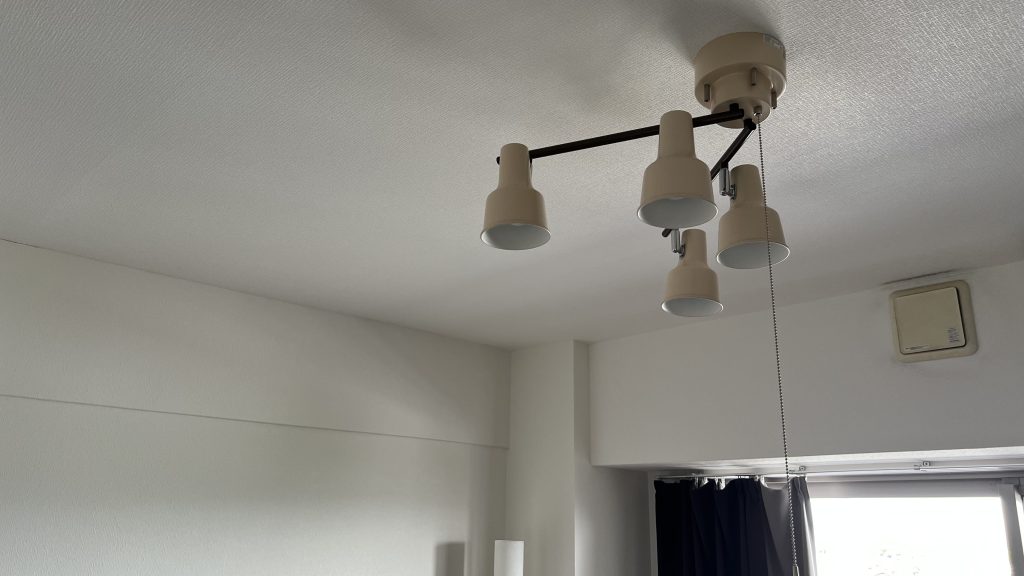
Leaning back into the living room chair, I gazed absentmindedly at the white ceiling.
A beige light fixture with four LED bulbs came into view. To suit different moods, two were set to a cool white, the other two to a warmer glow. Still, at night I usually rely on a separate lamp, so this light is rarely used.
A glance at the clock told me it was past eleven. I had just finished preparing pork and beans for dinner, now left in the pot to cool before going into the refrigerator. The hum of the ventilation fan filled the room.
Outside, the sky was clear and pleasant, though the forecast said clouds would gather in the afternoon, with rain by evening. I was planning to go to tennis practice later—the first in two weeks—and found myself quietly watching the sky.
I brewed some coffee and poured it into a pot.
One sip, and a soft breath escaped me.
It brought back a memory from the night before last, when I had dinner with colleagues at Osaka Station.
On a Friday night, the place was alive with young people and visitors from abroad. We stopped by an American-style standing bar—loud music, fragments of foreign languages flying through the air, people swaying and dancing to the rhythm.
I used to belong easily in places like that.
But that night, something felt different.
It was, without question, an enjoyable evening. Still, I found myself taking a step back, choosing to listen rather than speak. Perhaps it would be too simple to blame it on age—there are plenty of people well past sixty who remain vibrant and bold. What lingered in my mind was the sense that the age difference might be making others uneasy.
I had wanted a natural conversation, yet I sensed a faint tension in those I spoke with. So amid the noise and laughter, I spoke little, offering instead a quiet smile and a nod.
Yesterday morning, I traveled from Settsu-Tonda Station, changing trains three times, then taking a short bus ride from Kongō Station in southern Osaka to a used car dealership. It was the day I was to receive the car I had ordered back in March.
For nearly ten years, I had lived mainly with my motorcycle, and I had long felt that whatever car I chose next would likely be the last one I would own. I spent years thinking about it.
What I finally arrived at was a red Mazda Roadster.
After exchanging a few words with the dealer, I started the engine. The weather was fine, so I lowered the top. It had been twenty-five years since I last drove a manual, but within five minutes, the feeling came back to me.
The jacket I had brought, just in case, turned out to be unnecessary.
Soft sunlight.
A gentle wind.
Fresh green leaves lining the streets.
Shifting into second, I pressed lightly on the accelerator. The engine responded with a bright, eager sound, and I felt my body drawn backward with the motion.
A quiet lift stirred within me.
There was still, I realized, a certain heat left inside my heart—subtle, but unmistakable.
And perhaps it has always been this way: that I am more at ease conversing with a machine than navigating the small complexities of human relationships.
By the time I returned from tennis, the sky had begun to darken, and as the forecast had promised, a light rain started to fall.
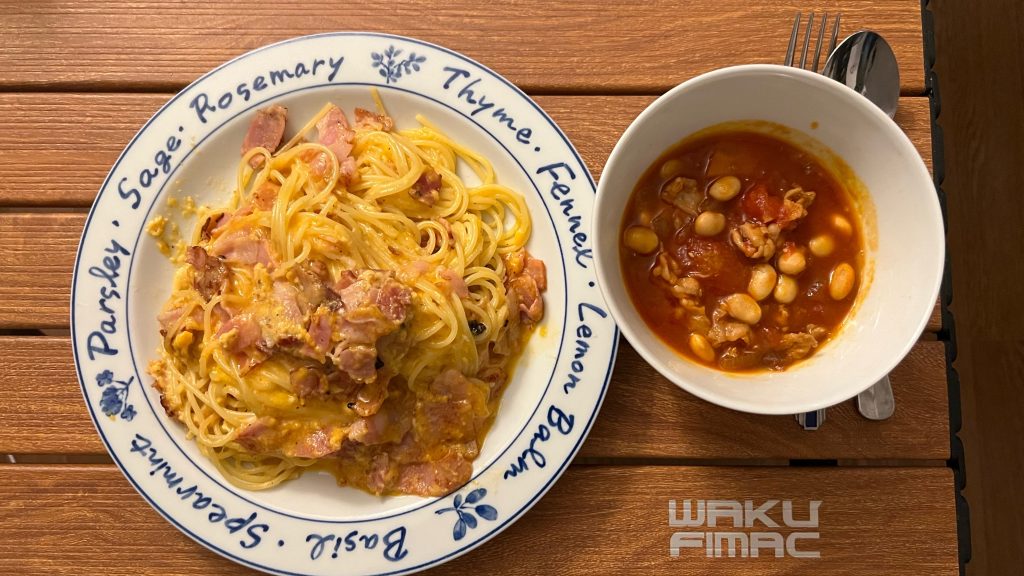
Hungry after the exercise, I made carbonara. Lately, I find myself cooking pasta on weekends more often. Carbonara in particular is something I return to, though I am always caught in the same dilemma—if I keep it hot, the eggs begin to set; if I aim for smoothness, the pasta cools too quickly.
I have been quietly struggling with this trade-off.
I stood there for a while, hands still over the pot.
Outside, the sound of rain grew just a little stronger.


Leave a comment