Action without thought is empty; thought without action is blind – Goethe
While living with schizophrenia, I move between Tokyo and Osaka. Through this journal, I hope to quietly share moments from my daily life—and memories from the journey I’ve taken with my illness.
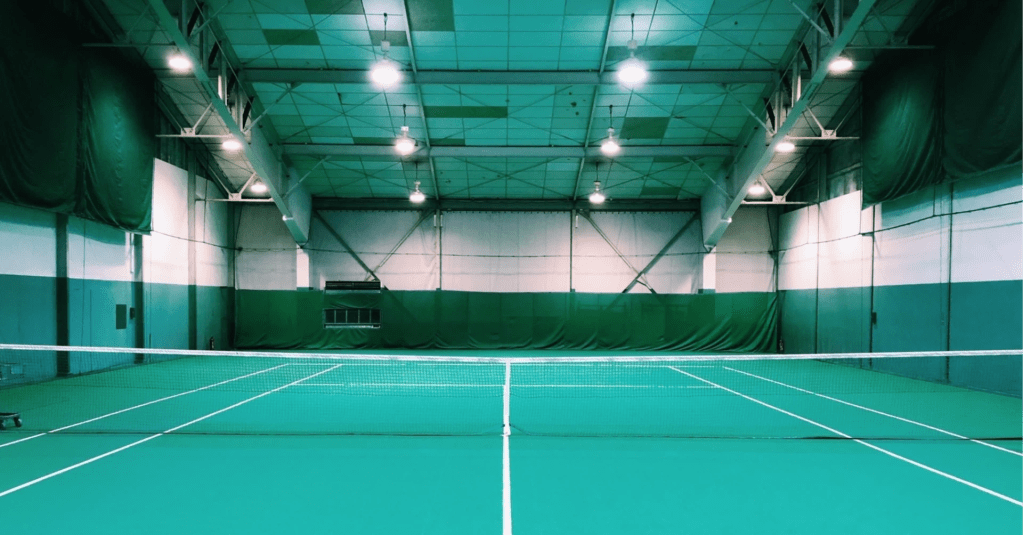
At eight in the evening, after finishing work, I stood on a brightly lit indoor court.
I gripped the racket handle with my right hand and placed my left hand on the throat. Leaning slightly forward, I waited. As the serve was struck, I matched its timing with both legs and stepped in. I opened my right side into the takeback and gauged the distance to the ball with my left hand. Pushing off the ground with my back foot, I rotated my lower body and accelerated the racket. I caught the ball at the center of the racket face. Driving it forward, I struck through it, keeping my face at the point of contact, and followed through with a smooth, fluid motion. Even before I hit the ball, I can already see the next move. I move instantly to where the return will come and read my opponent’s motion.
When I make these movements, my body operates almost unconsciously. As I continue practicing, unnecessary tension falls away, and my movements quietly settle into place. Muscles, joints, core, and balance—everything gathers into a single, unified sensation. My mind is as still as a water surface without ripples.
After practice, I do my cool-down stretches alone in the locker room. I warm the back of my neck under the shower, then finish with cold water. The heat in my body slowly fades.
The next morning, fatigue remains in my body, yet my mind is clear enough to face work.
I have entered a tournament this weekend. A typhoon is said to be approaching. It will probably be canceled. Even so, I continue preparing. That is the way I always do things.
I woke just before six. From the air conditioner’s vent came the faint sound of dry air flowing out. The dim room seemed to whisper that I could stay asleep a little longer.
On the table, a bottle of whisky and a plastic bottle of soda water had been left where they were. When I opened my smartphone, a message appeared in the app:
—Both deep and REM are at or above the optimal range, often indicating a high degree of recovery.—
I had gone to bed at ten the night before. It seemed I had gotten enough sleep.
Without opening the curtains, I walked through the dim living room to the sink, brushed my teeth, and washed my face with cold water. After tidying the room a little, I sat down in the living room chair. I opened my laptop and, as usual, skimmed through the news.
Japan had defeated Tunisia 4–0 in the World Cup, the article said. Takumi Minamino, who had played as Japan’s ace striker in the previous tournament, suffered a serious anterior cruciate ligament injury late last year. This time, he was not registered as a player but had traveled with the team as part of the support staff. There was an episode about him—how, after the match, he quietly helped collect the balls and polished his teammates’ boots.
Holding back the feeling rising in my chest, I opened the curtains.
Light slipped into the room.
I found myself remembering the days when I used to run across the pitch. Something has changed since then.
I finished breakfast, poured coffee into my thermos, and opened the front door.
From his graceful form, he unleashes powerful, aggressive shots—yet within, his mind remains as calm as the surface of still water. Not only in his play, but in the way he approaches life, I dream of one day reaching that same state.
During my lunch break, I have a habit of taking a photo of my meal and sending it to my mother on LINE, along with a brief description.
“Today’s lunch is barley rice, fried squid and chicken tender, spicy penne arrabbiata, and stir-fried garlic chives.”
More often than not, she replies with what she has eaten. Osaka and Tokyo are five hundred kilometers apart, yet these small exchanges continue. But since she is in the hospital recovering from knee surgery, her messages are a little different now.
“That looks delicious. The hospital food is so bland it’s awful. I want to go home.”
My younger sister, who is in the same group chat, sends her words of encouragement. I simply string together the details of my day; I’m not one to say such things.
When the lunch break ends, the office lights, which had been dimmed, flicker back on. My coworkers, who had been napping at their desks, hurriedly return to their tasks. The sound of keyboards fills the room, along with voices from web meetings starting all at once. Then another message from my mother appears.
“I have a favor to ask. Could you take some time off and buy batteries for my hearing aid? Without it, I can’t hear anything. I don’t know what to do.”
After a brief pause, my sister replies.
“I’ve asked my sister-in-law. She said she can come on June 25, since she’ll be off work.”
As I work through the pile of emails in front of me, I let out a small sigh. Living alone in Osaka has always been easy; I’ve never really felt lonely. But thinking of all the ways I’ve failed my mother, I wonder if it’s already too late for anything I do now to make amends. Job listings near Tokyo arrive from time to time, but I still haven’t found one that feels right.
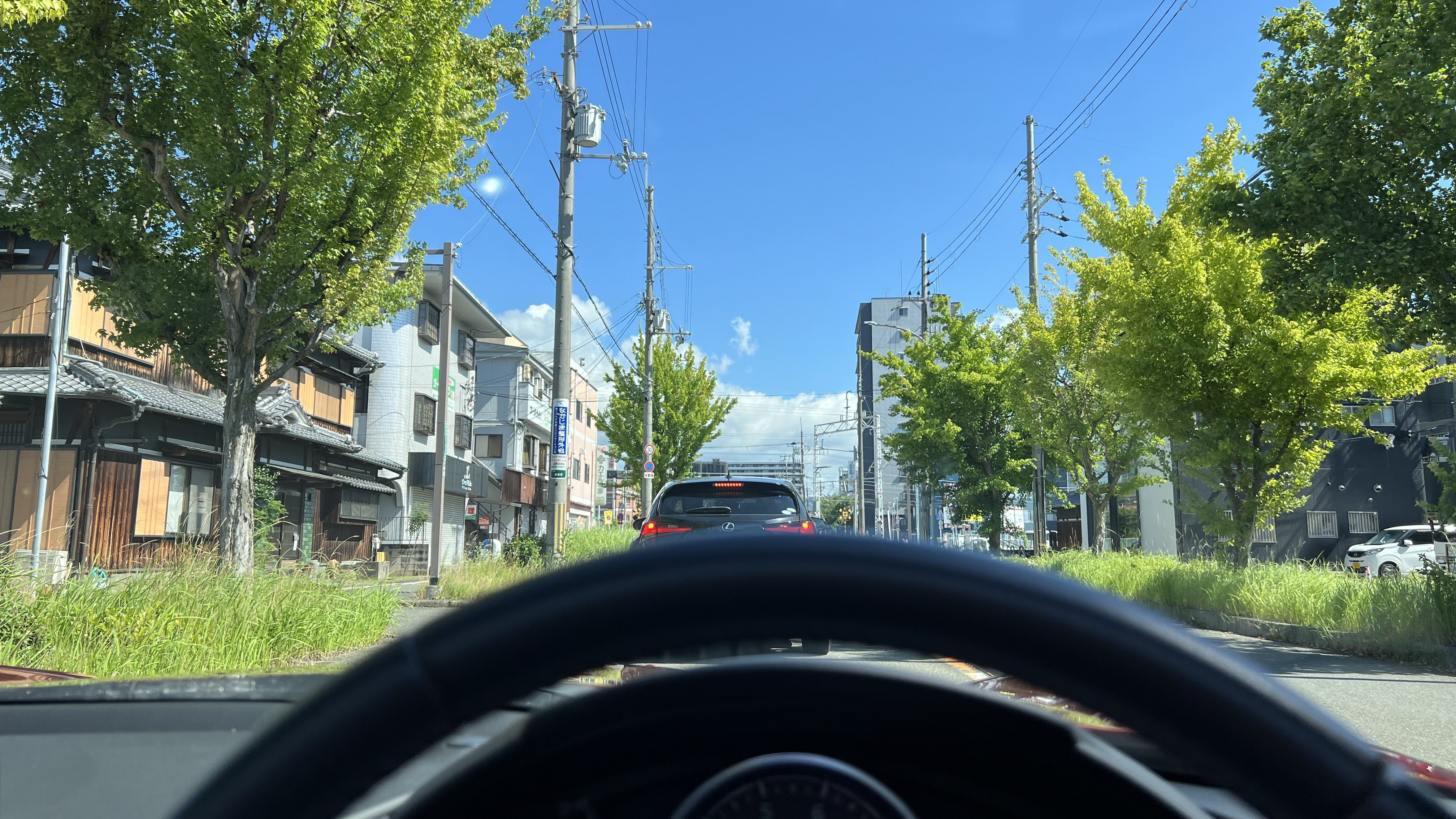
I stepped out of the apartment entrance and walked toward the parking lot. The rain that had lingered until yesterday was gone, and this morning carried a quiet light. The wind seemed a little strong.
I got into the car and started the engine. I had a gym session booked for 9:30 a.m. On Sundays, I usually go in the afternoon, but today was different—the World Cup qualifier between Japan and Tunisia was set to kick off at one.
I pressed the clutch. The 1.5-liter FR convertible, light in body, responded without delay. Shifting into second, I eased onto the accelerator. As I took a corner, a gentle lateral G moved through my body.
The rain-washed street trees looked vividly alive. In the distance, I could see clouds drifting from west to east.
On the way back, getting ready for the match, I planned to pick up something light at a drive-through burger place.
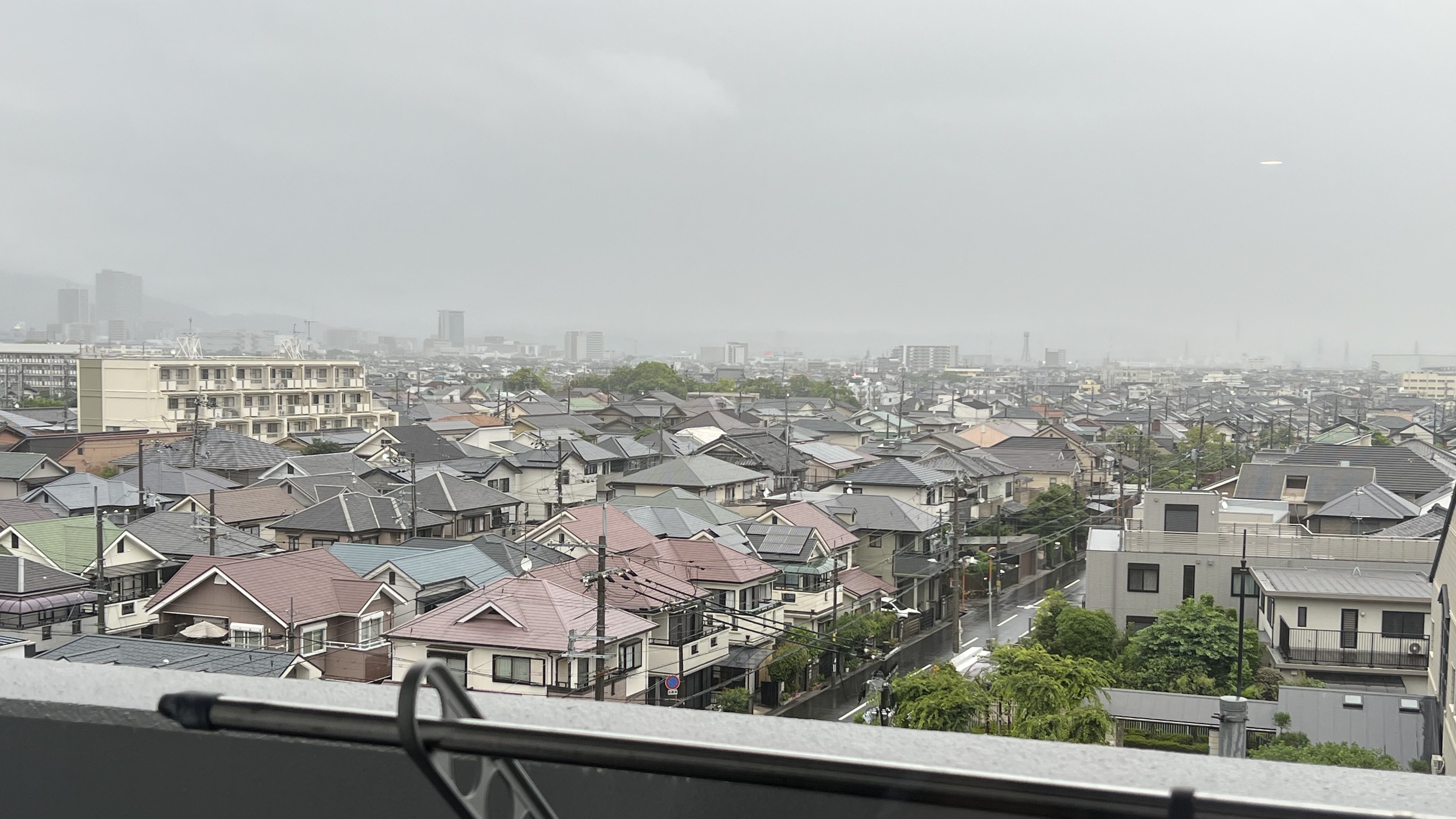
It was a humid morning from the start. When I drew the curtains, dark clouds spread across the sky, releasing a steady fall of rain. I had planned to attend a Mazda gathering on the Biwako Driveway today, but given the weather, I reluctantly canceled. For a Saturday, I had woken unusually early.
I took a bottle of carbonated water from the refrigerator and let it run down my dry, waking throat; the sharpness passed cleanly through my chest. After brushing my teeth, shaving, and washing my face, I settled into the reclining chair in the living room. Listening to the morning news, I opened my PC and checked social media.
The room was slightly chilled from having left the air conditioner on overnight. Feeling a faint chill, I opened the window, and the heavy air drifted in with the sound of rain. For a while, I closed my eyes, letting that air, its scent, and its sound settle over me.
The cool air of the room and the damp air outside slowly began to blend together. A fresh, earthen scent rose upward. The rain traced out layers of sound with quiet depth. The sound of a Hankyu train, as it moved away, sharpened into a higher pitch.
After setting the washing machine and giving the room a light sweep, I had a late breakfast of milk and ham-and-lettuce toast. Then I spent some time simply relaxing indoors.
I was disappointed not to go out, of course, but I don’t dislike rainy days. On days like this, it feels as though my own time quietly returns to me.
In the waiting area of the general hospital, there was a space where one could work on a computer. I sat there with my laptop open, checking my work emails. That was when an elderly woman appeared.
Beside the table where I was seated stood an old-fashioned public telephone that required a phone card. The woman, dressed in what looked like hospital pajamas, approached it and lifted the receiver.
“Ah, is everyone doing well? I see… yes, I’m all right here. Walking is still a bit of a bother, though.”
“Yes, I suppose I should be discharged soon. I’d like to see everyone’s faces again. I’m sorry to have you help with the fields. What? A sudden shower? Is it raining that hard? It’s not raining here at all.”
A window stood right beside me, so I glanced outside. Indeed, there was no rain.
The woman finished her call and moved away from the phone. A few minutes passed. Then, quite suddenly, the light dimmed, and I heard the sharp sound of water striking the window.
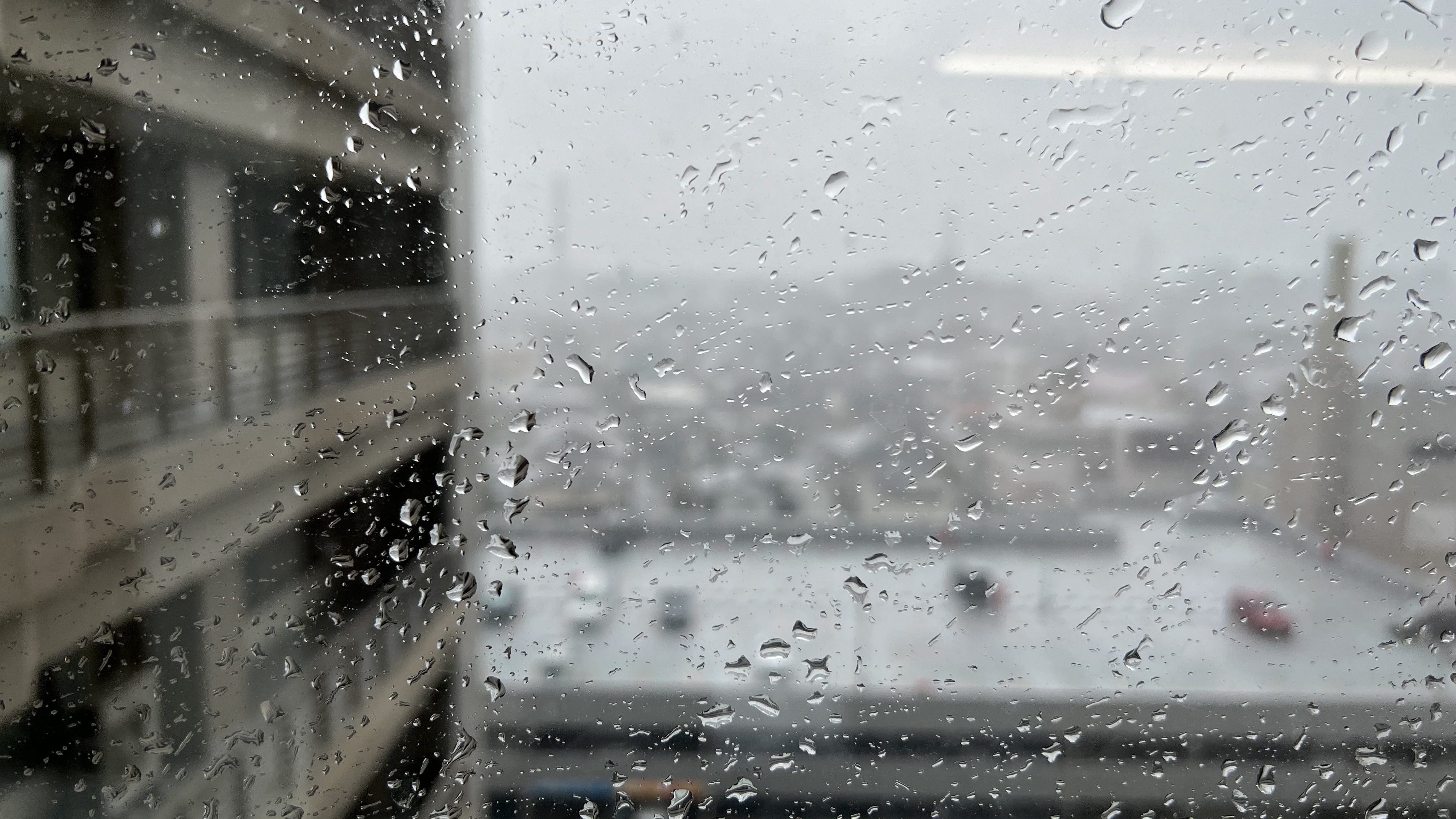
When I looked out, the clear sky from moments ago had vanished, replaced by a torrential downpour, as if someone had overturned a bucket in the sky. Raindrops struck the glass and slid downward. The paved road blurred into white. Thunder followed.
Everyone turned to the window. I, too, stopped what I was doing.
But it lasted no more than five minutes. The weather cleared just as quickly, and sunlight returned through breaks in the clouds. As the rain passed, people around me resumed their places, as though nothing had happened.
I work in Osaka. A few months ago, my mother began to complain of pain in her knee and said she could no longer walk. My wife would sometimes take her to the hospital and prepare meals for her.
“All right,” I had said. “I’ll be there on the day of the surgery.”
On the day of her admission, my younger sister returned from her married home and drove our mother to the hospital. The surgery was scheduled for the following day, so I took a bullet train back to Tokyo that evening.
I closed my laptop and moved to a chair by the window, looking outside again. The clouds had thinned. Beneath shafts of sunlight piercing through them, two crows crossed between the buildings.
A message came from my sister. Is it still not over?
I typed back: No, not yet. It started about two hours ago, so it should be finished soon.
I hadn’t spoken much with my wife the night before. When I woke that morning and went downstairs, she had already left for work. In the kitchen, however, she had left a single salmon rice ball wrapped in plastic, two grilled sausages, cherry tomatoes, and broccoli with mayonnaise.
I remembered, from many years ago when I still lived in Tokyo, how I had once insisted—after hearing somewhere that it was good for the body—that she include broccoli in my lunch every day. We had argued about it.
Someone called out to me from behind.
“Are you Ms. Kazane’s son?”
I turned to see a nurse in a pale pink uniform, her hair tied back.
“Thank you for waiting. The surgery is over. I’ll take you to the operating room.”
I took the elevator down to the second floor and was led to the front of the operating room. There, the surgeon explained the procedure. Everything had gone well, and she would likely be discharged in one to two weeks.
“She’ll be out shortly. The anesthesia has worn off, so you’ll be able to speak with her.”
Before long, a bed with wheels was pushed out of the operating room. An IV dripped beside it. My mother lay there with an oxygen mask over her mouth, her eyes still closed.
Walking alongside the moving bed, I raised my voice slightly.
“Hey, Mom, can you hear me? It’s me. The surgery’s over. It went well.”
There was no reply. The bed moved down the corridor, guided by two nurses.
“Ms. Kazane, all right? We’ll be going over a couple of bumps, so you’ll feel some movement.”
With her eyes still closed, my mother answered faintly, “Yes.”
We took the elevator up and entered her room. A nurse fixed the bed in place and attached some kind of device to her right knee.
“We’ll be cooling your leg for a while,” she said, as the machine began to hum.
“Your blood pressure is 126. Please rest for now.”
The nurse left the room. I looked at my mother. The machine continued to operate with an irregular sound.
“Oh… you’re here,” she said at last, seeming to notice me. “How long was I asleep?”
“About two and a half hours, I think. The surgery went well. They said you can leave in a week or two.”
She kept her eyes closed, her brow slightly furrowed.
“My knee feels heavy… and it hurts.”
“That’s to be expected. You just had surgery. But with rehabilitation, it should be easier to walk than before. Just hang in there for a bit.”
“I’m sorry to have kept you waiting so long. How long did you wait?”
It was the third time she had asked.
“It wasn’t that long. Don’t worry about it,” I said, repeating myself.
After a while, she seemed calmer. I told the nurse I would be leaving and stepped out of the room. I messaged my sister to let her know the surgery had gone well and headed home by car.
It was past five in the afternoon. My wife had not yet returned from work, and the house was empty.
Back in my room, I hesitated for a moment about going to the hospital again the next day, but decided instead to return to Osaka.
I packed my things, slung my backpack over my shoulder, and walked about twenty minutes to the nearest station. From the bridge over the Onda River, I could see rows of cherry trees that had already shed their blossoms and were now full of green.
On the train, I sent my wife a message: The surgery went well. She should be discharged in about two weeks. My sister said she’ll pick her up on a weekend. I’m heading back now.
After boarding the bullet train, somewhere past Shizuoka, I received her brief reply: Okay.
Though it was already close to seven, the setting sun in the west was still clearly visible from inside the carriage.
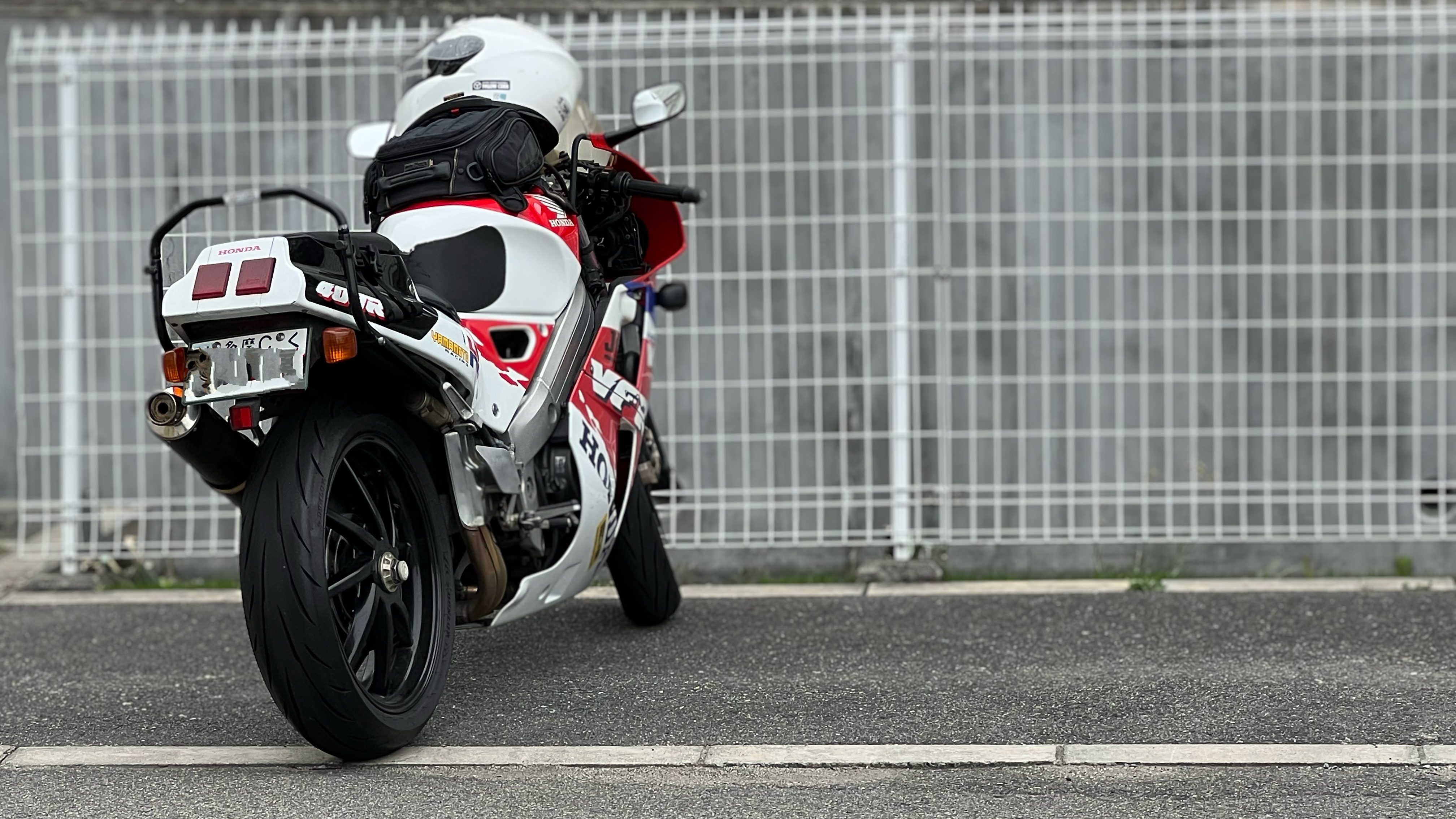
I sat on a bench lined up in front of a motorcycle shop, quietly watching my bike parked just ahead of me. A Honda NC30. A 1993 VFR400R, the final special edition model, inspired by the RVF colors of the Honda Works OKI team that raced in the 1992 Suzuka 8 Hours.
Though it was only ten in the morning, the sunlight was already harsh, the air heavy with heat. Even sitting still, I could feel sweat forming. I had parked it facing the shop, so it stood directly in front of me—facing me, as if it were aware. Its twin headlights looked straight back.
Resting my chin in my hand, elbow on my knee, I met its gaze.
Thirty minutes until the shop opened. I sipped bottled coffee from a vending machine and continued to look at it—quietly.
In the summer of 1995, in the blazing heat of Tsukuba Circuit, I had looked at it the same way.
Back then, I sat in a camping chair beside my bike in the pit, dressed in a racing suit, waiting for my turn. Around me, motorcycles tore through the track at terrifying speed. On the straight in front of the pit, riders flattened themselves against their machines, chasing the smallest reduction in air resistance. High-pitched engine screams filled the air as one bike after another shot past, vanishing into the first corner.
After my usual checks and adjustments, I sat there watching my machine, tracing racing lines in my head, imagining weight shifts, corner entries.
I want to be faster today. That was all I thought.
Faster than anyone here.
I started riding on circuits after I began working—around twenty-seven. By most standards, it was late.
I don’t remember why I made that decision. But one day, I found myself asking a shop mechanic who rode at the circuit:
“Teach me how to ride.”
I sharpened my focus and launched onto the track. Brake as late as possible before the corner—precisely, without error. Slide my hips off the seat, push out my knee, lean the bike into the turn. At the exit, feel for rear grip—and accelerate all at once.
Esses. Hairpins. Back straight. Final corner. Eyes forward, teeth clenched.
More. Still not enough.
With the rising engine note, everything unnecessary streamed away behind me.
After riding, I would load the bike into my car and drive through the evening Shuto Expressway to a familiar shop. That was where I learned the basics—spark plugs, carburetors, everything.
I remember spending hours talking with the owner and friends I met there. It was also around that time I had the chance to join a pit crew at the Suzuka 8 Hours. My role was simple—lap timing—but I witnessed firsthand the riding of international-level racers.
Even after I left the circuit following an accident, the bike remained by my side.
We toured the Noto Peninsula over five days with friends. At Cape Soya, the northernmost tip of Japan, we were caught in relentless rain. On hot days, the engine burned like a kettle full of boiling water. In winter, the cold stiffened my body until even turning my neck became difficult.
It carried me everywhere— to nearby shops, to the gym, to the station for my commute.
When I moved from Tokyo to Osaka, I rode 500 kilometers along the Tomei Expressway over two days.
It was 10:30. The shop opened.
I spoke briefly with a staff member, handed over the key, and returned to the same bench.
Two mechanics walked toward my bike, inspecting it closely. They started the engine, gently revving it.
The familiar sound of a V4 echoed.
A passerby stopped, raising a smartphone. An older man glanced twice before continuing on.
Time passed quietly.
When my bottle was empty, I went to a nearby convenience store and bought a sandwich and tea. I had plans in the afternoon, so I ate there on the bench.
Come to think of it, I often ate like this during touring trips.
After a while, the shop manager finally appeared.
“Thank you for waiting. The appraisal is complete.”
“So… what do you think?”
“Thank you for showing us such a rare bike. It’s in beautiful condition for its age—and the engine sounds excellent. Do you maintain it regularly?”
“Not really. But it’s carbureted—you have to keep the revs up, or it starts running rough.”
“I see… so you’ve been riding it properly. Did you use it for work?”
“No. Just a hobby.”
He gave me the price.
It was more than twice what I had paid.
But I found I didn’t care about that.
I looked down and took a slow, deep breath.
“Alright. I’ll leave it to you.”
“Thank you. We’ll service it properly and display it in the center of the shop. It’s a very rare and popular model.”
The young manager smiled.
I handed over the key, filled out the paperwork, and signed. I passed over the registration.
At the end, he bowed. I returned a small nod.
Helmet tucked under my arm, I left the shop.
When I turned back, I saw him pushing the bike into the workshop.
That was the last time I saw him.
The sky was blue, the sunlight unforgiving.
I couldn’t catch a bus or taxi, so I walked home—thirty minutes on foot.



 Canon's Diary