
In the waiting area of the general hospital, there was a space where one could work on a computer. I sat there with my laptop open, checking my work emails. That was when an elderly woman appeared.
Beside the table where I was seated stood an old-fashioned public telephone that required a phone card. The woman, dressed in what looked like hospital pajamas, approached it and lifted the receiver.
“Ah, is everyone doing well? I see… yes, I’m all right here. Walking is still a bit of a bother, though.”
“Yes, I suppose I should be discharged soon. I’d like to see everyone’s faces again. I’m sorry to have you help with the fields. What? A sudden shower? Is it raining that hard? It’s not raining here at all.”
A window stood right beside me, so I glanced outside. Indeed, there was no rain.
The woman finished her call and moved away from the phone. A few minutes passed. Then, quite suddenly, the light dimmed, and I heard the sharp sound of water striking the window.
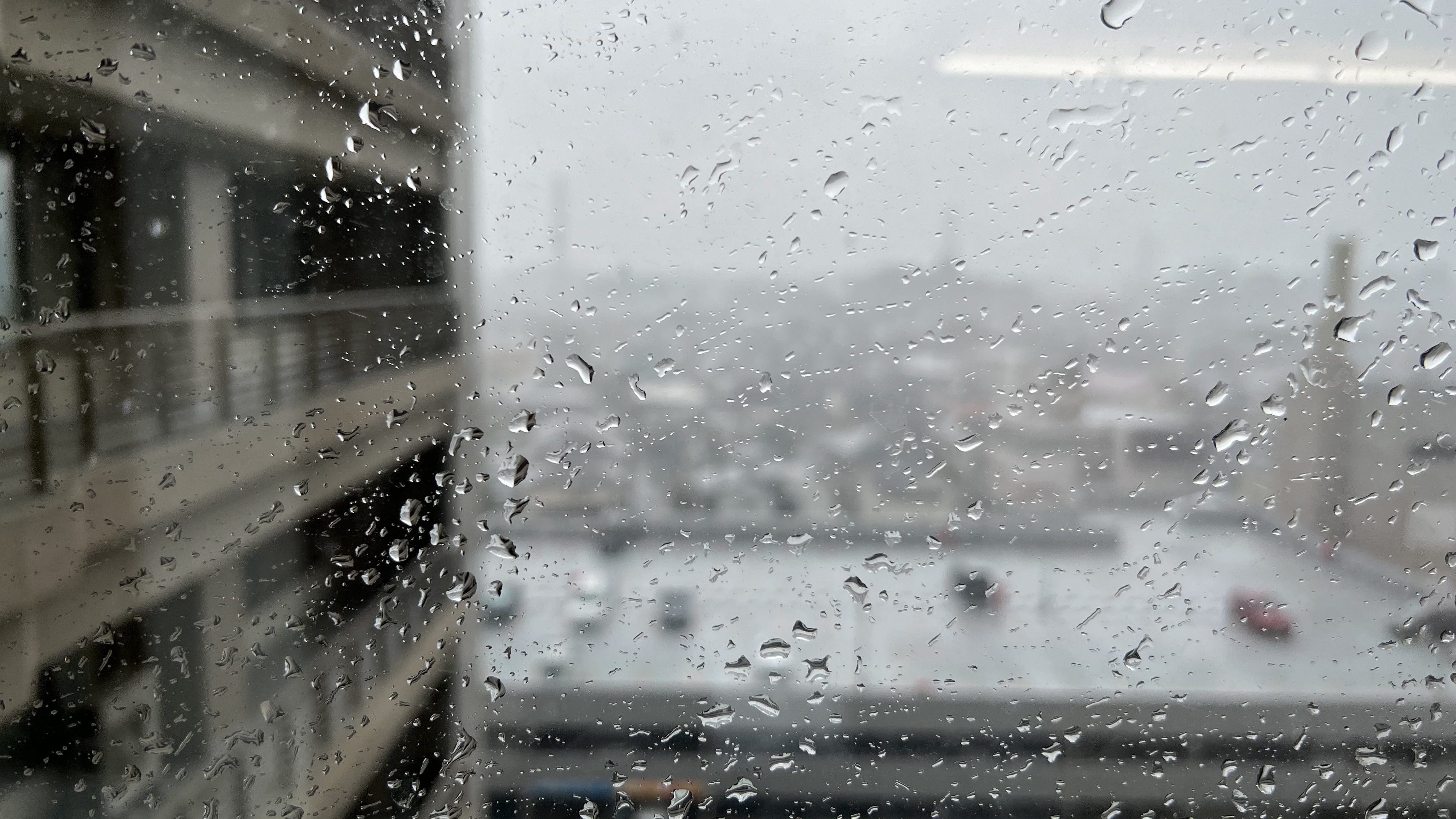
When I looked out, the clear sky from moments ago had vanished, replaced by a torrential downpour, as if someone had overturned a bucket in the sky. Raindrops struck the glass and slid downward. The paved road blurred into white. Thunder followed.
Everyone turned to the window. I, too, stopped what I was doing.
But it lasted no more than five minutes. The weather cleared just as quickly, and sunlight returned through breaks in the clouds. As the rain passed, people around me resumed their places, as though nothing had happened.
I work in Osaka. A few months ago, my mother began to complain of pain in her knee and said she could no longer walk. My wife would sometimes take her to the hospital and prepare meals for her.
“All right,” I had said. “I’ll be there on the day of the surgery.”
On the day of her admission, my younger sister returned from her married home and drove our mother to the hospital. The surgery was scheduled for the following day, so I took a bullet train back to Tokyo that evening.
I closed my laptop and moved to a chair by the window, looking outside again. The clouds had thinned. Beneath shafts of sunlight piercing through them, two crows crossed between the buildings.
A message came from my sister. Is it still not over?
I typed back: No, not yet. It started about two hours ago, so it should be finished soon.
I hadn’t spoken much with my wife the night before. When I woke that morning and went downstairs, she had already left for work. In the kitchen, however, she had left a single salmon rice ball wrapped in plastic, two grilled sausages, cherry tomatoes, and broccoli with mayonnaise.
I remembered, from many years ago when I still lived in Tokyo, how I had once insisted—after hearing somewhere that it was good for the body—that she include broccoli in my lunch every day. We had argued about it.
Someone called out to me from behind.
“Are you Ms. Kazane’s son?”
I turned to see a nurse in a pale pink uniform, her hair tied back.
“Thank you for waiting. The surgery is over. I’ll take you to the operating room.”
I took the elevator down to the second floor and was led to the front of the operating room. There, the surgeon explained the procedure. Everything had gone well, and she would likely be discharged in one to two weeks.
“She’ll be out shortly. The anesthesia has worn off, so you’ll be able to speak with her.”
Before long, a bed with wheels was pushed out of the operating room. An IV dripped beside it. My mother lay there with an oxygen mask over her mouth, her eyes still closed.
Walking alongside the moving bed, I raised my voice slightly.
“Hey, Mom, can you hear me? It’s me. The surgery’s over. It went well.”
There was no reply. The bed moved down the corridor, guided by two nurses.
“Ms. Kazane, all right? We’ll be going over a couple of bumps, so you’ll feel some movement.”
With her eyes still closed, my mother answered faintly, “Yes.”
We took the elevator up and entered her room. A nurse fixed the bed in place and attached some kind of device to her right knee.
“We’ll be cooling your leg for a while,” she said, as the machine began to hum.
“Your blood pressure is 126. Please rest for now.”
The nurse left the room. I looked at my mother. The machine continued to operate with an irregular sound.
“Oh… you’re here,” she said at last, seeming to notice me. “How long was I asleep?”
“About two and a half hours, I think. The surgery went well. They said you can leave in a week or two.”
She kept her eyes closed, her brow slightly furrowed.
“My knee feels heavy… and it hurts.”
“That’s to be expected. You just had surgery. But with rehabilitation, it should be easier to walk than before. Just hang in there for a bit.”
“I’m sorry to have kept you waiting so long. How long did you wait?”
It was the third time she had asked.
“It wasn’t that long. Don’t worry about it,” I said, repeating myself.
After a while, she seemed calmer. I told the nurse I would be leaving and stepped out of the room. I messaged my sister to let her know the surgery had gone well and headed home by car.
It was past five in the afternoon. My wife had not yet returned from work, and the house was empty.
Back in my room, I hesitated for a moment about going to the hospital again the next day, but decided instead to return to Osaka.
I packed my things, slung my backpack over my shoulder, and walked about twenty minutes to the nearest station. From the bridge over the Onda River, I could see rows of cherry trees that had already shed their blossoms and were now full of green.
On the train, I sent my wife a message: The surgery went well. She should be discharged in about two weeks. My sister said she’ll pick her up on a weekend. I’m heading back now.
After boarding the bullet train, somewhere past Shizuoka, I received her brief reply: Okay.
Though it was already close to seven, the setting sun in the west was still clearly visible from inside the carriage.
There was no trace left of the rain from earlier.
I sat back in my seat and quietly closed my eyes.


Leave a comment