Canon's Diary

Action without thought is empty; thought without action is blind – Goethe

While living with schizophrenia, I move between Tokyo and Osaka. Through this journal, I hope to quietly share moments from my daily life—and memories from the journey I’ve taken with my illness.

  • Friday, May 23rd. Overcast skies. I dropped the documents for changing the names on the gas, electricity, and water utilities, as well as the bank account for automatic withdrawals, into the mailbox. I’m working remotely from Tokyo again today, but work has settled down for now. It was on May 11th that I received the call about my father’s unconscious state. I rushed out of my apartment in Osaka, went to the hospital in Tokyo, confirmed his death, arranged the funeral, consulted about inheritance, and handled various name change procedures. It has been a hectic time. The necessary documents and procedures are mostly organized, so my sister and I can now handle them as we prepare. I plan to return to Osaka tomorrow morning. The apartment is still in disarray, and I’m concerned about the vegetables and pork I bought for cooking—whether they’ve spoiled in the fridge. My sister has been thoughtful, occasionally traveling from Kita Ward to Machida, but leaving my mother and wife alone at the family home in Tokyo worries me.

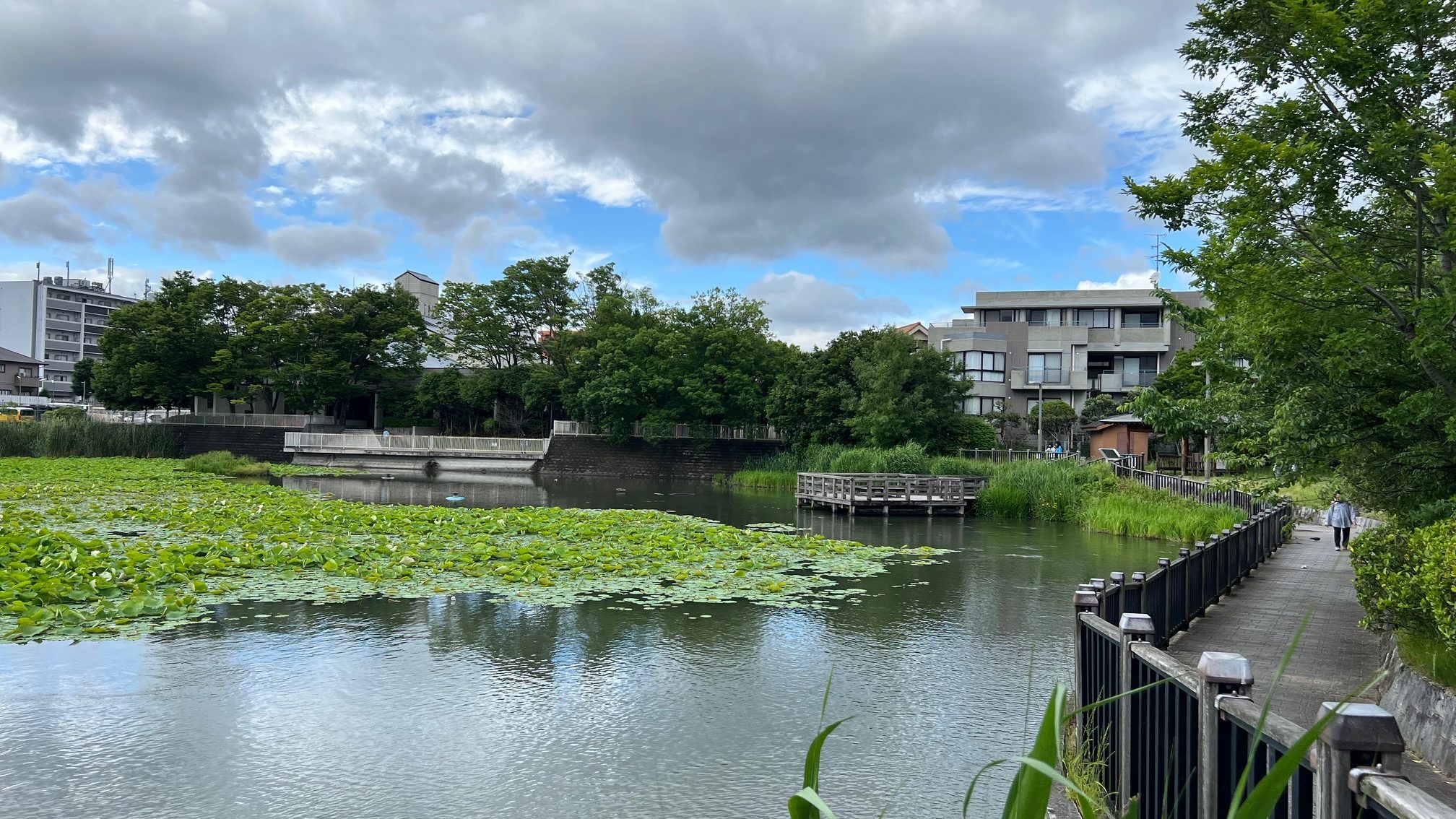
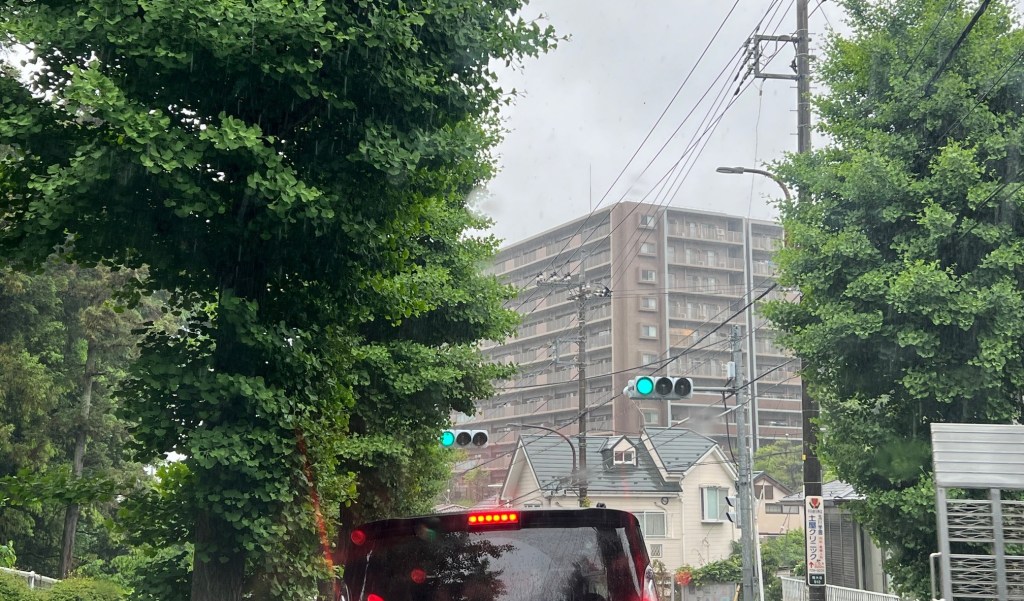
    With work calming down, I took a moment to gaze out the window. My desk, facing a westward window, has a wood-grain L-shaped design, large enough to accommodate a 32-inch monitor. This is a quiet residential area, so there’s little traffic noise, but occasionally, I hear the sound of airplanes passing overhead or children talking on their way home from school. The greenery is relatively abundant, and from the south-facing window, I can see Tendai Park, where a towering tree, about 30 meters tall, sways its lush green leaves in the wind.

    Sitting at my desk, I straighten my back and try a bit of meditation. It’s so quiet that I can hear the cool air flowing from the air conditioner’s vent. I focus my consciousness inward, attuning to my heartbeat and sensing the flow of blood. I pay attention to the nerves extending from my body’s center to my hands and feet, feeling a slight warmth in my palms. I sense the passage of time. Outside the window, the wind whispers—it feels as if it’s resonating with the voice of my heart. Memories of recent events begin to replay in my mind.

    This situation has given me time to talk with my sister again. Among the photos my father took during his lifetime, there’s one from when I had just entered elementary school, showing me looking sheepish after making my sister cry. I remembered a time when I used to tease her and decided to apologize, but she said, “I only remember playing with you. You really played with me a lot.” I recalled how I used to use a stuffed rabbit to mimic Kenji Sawada’s songs in a puppet show style, making her laugh uncontrollably. It was also nice to talk a bit with my two nieces. The older one is attending Waseda University, and the younger is studying for the University of Tokyo entrance exams. The older niece mentioned that her university club is planning to visit a sewage treatment facility in Indonesia. Both of them have made studying an integral part of their lives, and they said they feel uneasy when they can’t find time to study, which was quite surprising to hear.

    As for my wife, after our beloved dog Kanon passed away, she lost her emotional anchor. We had arguments about my mother and didn’t speak for about six months. She only prepared meals during that time. However, we’ve gradually started to talk again, and I feel that we’re slowly building a relationship where we respect each other’s positions. Also, many members of the Soka Gakkai came to the funeral and spoke about my father. I was able to express my feelings about leaving the organization and my current sentiments towards it in my greeting speech. This made me feel as if something that had been smoldering inside me for years had slightly cleared.

    My father’s death has brought changes to our lives. However, time flows equally for those who remain. My mother, sister, and wife each have their own allotted time and are being drawn back into their respective lives. It was a very painful experience, but we must begin to look forward and move on. I feel that this process has already begun for me. I think some support is needed to fill the time my mother now spends alone. Since I can return to Tokyo for half of each month, I plan to consider how best to use that time.

  • May 22nd. The sky is lightly overcast, but now and then, rays of the setting sun break through. I was working remotely today. I currently work in project management for a pump manufacturer. It’s a position I requested and was fortunate to transfer into last year. My job involves coordinating between clients and internal departments, playing the role of a facilitator to keep projects moving smoothly. In a sense, I serve as a bridge for information flow, and the work suits my nature well. Perhaps this is heavily influenced by a part-time job I had during my university years. Today, I’d like to share a story from that time.

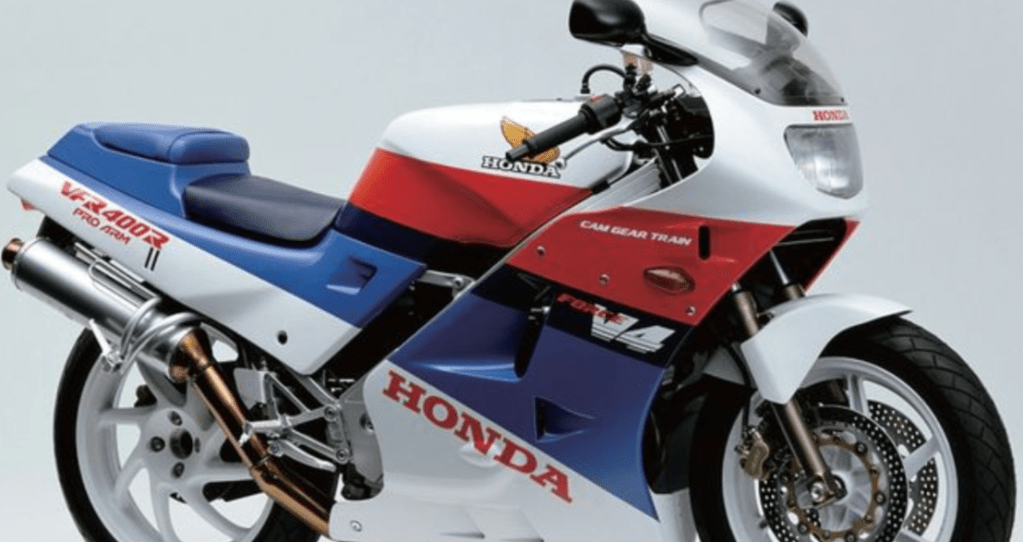
    I believe I got my motorcycle license not long after entering university—so I must’ve been around 19. I sold the 50cc moped I had been using and bought a 400cc bike. It was a used VFR400R (NC21), and if I remember correctly, it cost about 400,000 yen. To pay off the loan, I had to start working a part-time job. Back then, there was a magazine called Nikkan Arubaito News (Daily Part-Time Job News). With the economy booming during the bubble era, there were plenty of job opportunities, and choosing one was actually fun. I had heard that my cousin, who was two years older than me, was working as a bartender, so following a similar vibe, I decided to become a restaurant waiter.

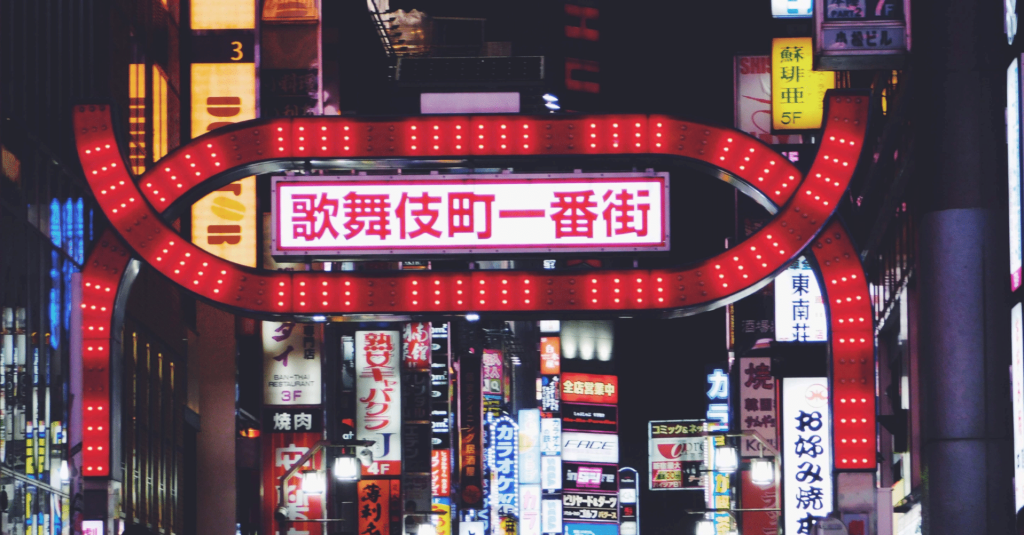
    The location was right by the East Exit of Odakyu Machida Station, in a building surrounding the main plaza. On the ground floor was the Kumido Bookstore, and in the basement was a newly opening restaurant with a cake shop attached. They were recruiting opening staff. For some reason, the phrase “opening staff” had a nice ring to it back then. It gave me a sense of excitement, like maybe I’d make new friends. However, the restaurant was still under construction, so I had to work at another location for two weeks as part of my training. That place was the Kabukicho branch. I was 19, and just hearing the name “Kabukicho” made me feel uneasy.

    On my first day, I did customer service for the very first time. The customers included intimidating-looking men and women with overly thick makeup—honestly, I was scared stiff. The supervisor told me, “Go take that table’s order,” and when I approached the customer—very much the “stereotypical” type of tough guy—I asked, “May I take your order?” He simply said, “Reikō.” There didn’t seem to be anything by that name on the menu, so I hesitantly asked, “Um… what’s reikō?” He flared up and shouted, “When I say reikō, I mean iced coffee, you idiot!!” I remember bowing and apologizing over and over, totally flustered. That moment became a kind of trauma for me, and I was afraid to take orders after that. But there were normal customers too, so I somehow managed to get by.

    Still, talking with customers was hard for me, so I remember focusing desperately on refilling water for tables—something I could do without speaking. I also delivered cakes. The Kabukicho streets at night were truly terrifying for me at the time, and delivering cakes to hostesses’ apartments felt like stepping into an entirely different world. All I felt back then was fear. But one time, a cigarette-in-mouth, hostess-type woman said to me, “Thanks for coming all this way,” and from deep within, I felt a strange new sense of fulfillment. Looking back, that may have been my first real experience of participating in society. Even though it was scary, there was an undeniable thrill.

    Now that I reflect on it, I was just a clueless kid. But those two weeks of training in Kabukicho breathed into me a first taste of the real world. And then, finally, the Machida restaurant was completed. The real work was about to begin—(To be continued.)

  • Wednesday, May 21.
    Last night, for the first time in two weeks, I attended a tennis lesson. Since I had left my racket in Osaka, I had to use an old one I found at home—but it turned out to be a great way to refresh myself. Tennis is a full-body sport. To swing the racket properly, you need to plant your weight firmly on the ball of your pivot foot, twist your upper body from the waist, and transfer that energy through your shoulders, elbows, and arms using centrifugal force. Maintaining a stable core is also essential. The motion is reminiscent of ballet or dance. Each joint and muscle has to move delicately. That’s why professional players’ strokes look so refined and beautiful.

    In April 1987, I entered Chuo University.
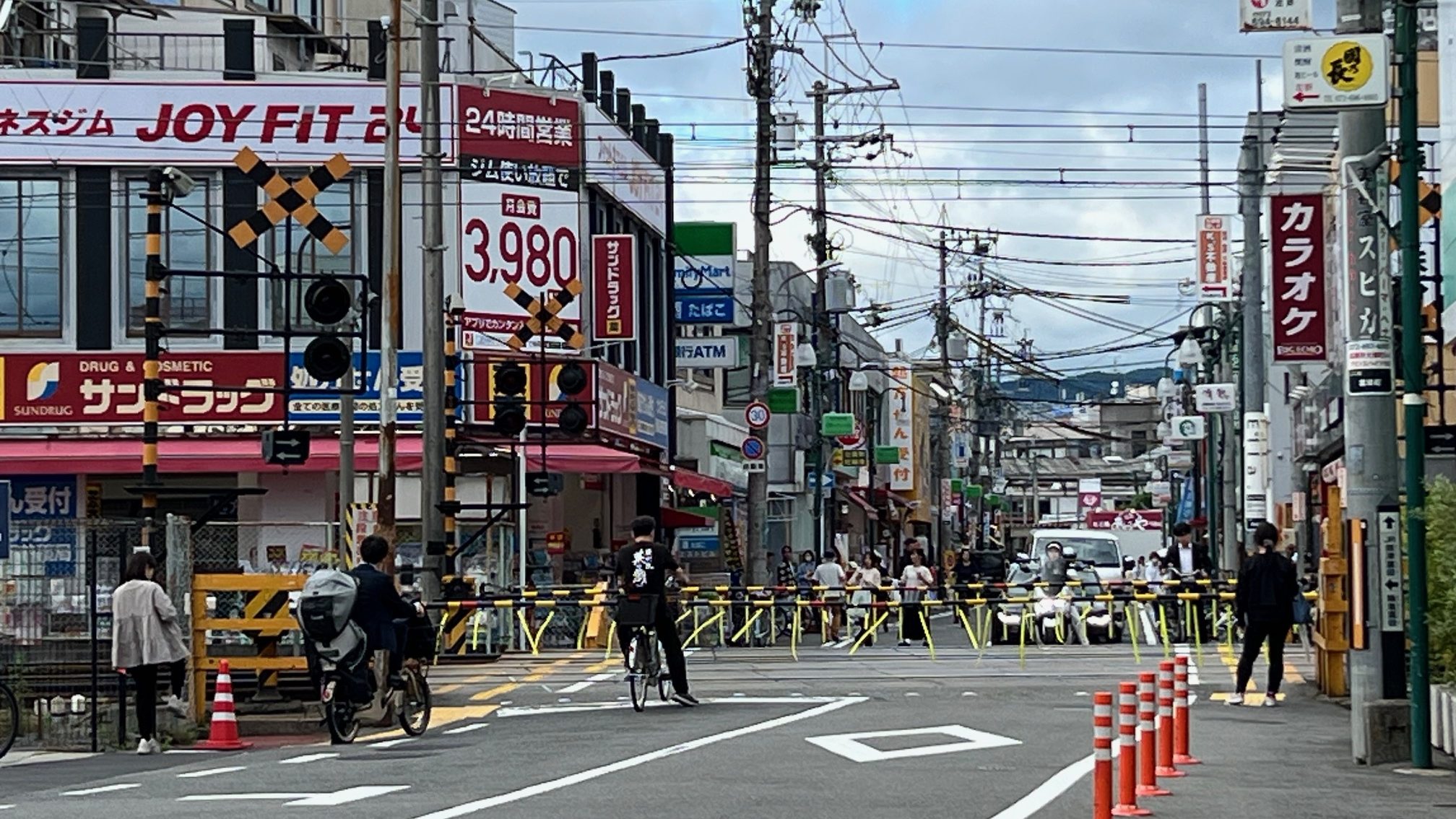
    The Faculty of Science and Engineering was located at the Hakusan Campus, which could be reached by getting off at Korakuen Station on the Marunouchi Line, walking through Isogawa Park in Bunkyo Ward, climbing a staircase, and then heading up a slope on Kasuga Street. The campus had a gate known as Hakumon. During the entrance ceremony, flyers for clubs and circles were handed out as you passed through it—so many that my bag was quickly filled. At the time, Tokyo Dome was still under construction. From the pedestrian bridge near Korakuen Station, you could see the changing shape of the old Korakuen Stadium, later nicknamed BOGEGG. In contrast, the liveliness of the Korakuen amusement park was slowly fading away, and for some reason, that left a slightly lonely impression on me.

    I had already decided to join a tennis circle. I wanted to overcome my poor communication skills. But honestly, my vocabulary was terrible back then. After a grueling year of studying for entrance exams, during which I barely spoke at all, I had no idea how to hold a normal conversation. My mind had been consumed entirely by studying, so being expected to suddenly become talkative was a tall order.

    After the festive entrance ceremony, the campus quickly settled into a more subdued atmosphere once classes began. I was extremely nervous. While others were making friends with ease, I remember going nearly two weeks without speaking to anyone. Still, I eventually managed to connect with a few classmates, and that’s how my university life started.

    The school cafeteria was located in a semi-basement of Building 6, and I had lunch there every day. I still remember how delicious Set C was—it came with croquettes and teriyaki chicken.

    Keeping up with the classes was tough. Looking back, I realize I had overestimated myself in choosing this university. My classmates were far quicker thinkers than I was, and they seemed to breeze through lectures. I, on the other hand, often couldn’t even grasp what the professors were talking about. Luckily, my experience from my exam prep days gave me the habit of reviewing lessons at home, and that helped me survive.

    From the pile of flyers stuffed into my bag, I chose one tennis circle to join. It was called “Tennis Circle Palo Palo.” At first, I didn’t know how to pronounce it. When I asked an upperclassman, “How do you read this name?” he teased me:
    “Huh? Who knows? Pau Pau? Puff Puff? Something like that?”
    Later, I learned that typing “palo palo” in romaji produces “Pao Pao” which seemed to be the origin. Still, by the time I joined, everyone was pronouncing it “Paro Paro.” I must admit—it sounded kind of flashy. But I think I was drawn to that atmosphere. To be honest, I probably wanted to be popular. Yeah, no doubt about it. But allow me to make an excuse: I was also genuinely curious to explore worlds I had never experienced before.

    If I could talk to my younger self, I’d say:
    Take your time. Whether it’s building relationships or mastering your tennis form, it all comes together with time.

    Since university life has many stories to tell, I’ll pause here for now.

    Today marked the end of my bereavement leave. I resumed work remotely from home. My supervisor gave me a brief overview of the project that was handled in my absence, and I will be taking over starting with the kickoff meeting with the design department.

    Suddenly being pulled back into reality after the funeral made me feel a bit rushed.
    Still, I managed to finish my piled-up tasks, had dinner prepared by my wife, and took a relaxing bath. Now, I’m enjoying a quiet moment in my room, sipping a Scotch and soda.

    My remote work from Tokyo ends this weekend, and I plan to return to Osaka on Saturday.

    When I was younger, I believed everything could be mastered quickly. But just as it took me years to make the tennis swing feel natural, I’ve come to understand that building human relationships also takes time—little by little.

  • May 20, 2025 – Yesterday, I took a long soak in the bath and made sure to get plenty of sleep. Thanks to that, I seem to have recovered from my fatigue. Today, the sun is out, and pleasant light is streaming into my west-facing desk. I have a tennis lesson scheduled tonight, so I’m planning to work up a good sweat for the first time in a while.

    Now, I’d like to share a bit about my university days.

    It was 1987 when I passed the university entrance exam. In that moment, I fell into the illusion that I had somehow become someone special. I wanted to build a bright future, to stop living in the shadows like I always had, to change myself. I had a strong resolve. Having been raised under the strict teachings of Buddhism since childhood, my ego was suppressed and cloaked in the bindings of compassion and prayer. I wanted to break free from that shell. So, I decided—regardless of the fine details—that I would throw myself fully into whatever I did. That was the mindset I had.

    But reality didn’t align with my intentions. My college life became a chaotic mix of various social activities I tried to juggle all at once. In the end, I think I was often just spinning my wheels. Although I had made it into university, I was still an incomplete person—someone who knew nothing of society’s norms and couldn’t properly express his own self.

    My time in university felt as though I were living in three completely different worlds at once.
    The first was academics. The faculty of science and engineering offered few courses where just showing up would earn you credit. You had to perform reasonably well on exams, so a solid amount of study was required.
    The second was the university tennis club. I joined as a challenge to overcome my communication issues. I thought it would be good practice in learning how to express my thoughts aloud and connect with others.
    The third was my part-time job as a waiter at a restaurant. After entering university, I got a license to ride mid-sized motorcycles and bought a 400cc VFR400R (NC21) on a loan. To pay it off, working part-time was essential.

    There was one more thing that deeply affected my university life: family matters. After my grandfather—the master carpenter—passed away, talk of inheritance arose among my father and his siblings regarding our family home. The Kazane family was pulled into a whirlwind of disputes. This happened at the start of my first year in university. Our family home in Higashigaoka, Meguro Ward, where multiple relatives lived together, was sold during the peak of the real estate bubble—for a staggering 1.1 billion yen.

    Describing how I felt during those university years is incredibly difficult. In some ways, it was the busiest four years of my life. I intend to carefully piece together those scattered fragments of memory, one by one. I hope you’ll stay with me just a little longer.

    It’s been 34 years since I graduated from university. The tennis school I attend now is about a five-minute walk from Tsukushino Station, nestled in a residential area atop a hill. There’s a simple roof made of a retractable white canopy, and on sunny days, you can play in the gentle light filtering through it. I stayed away from tennis for a while after graduating, but I picked it back up around 1997—so this year marks 28 years since my return. As long as my body allows it, I plan to keep going.

    And that chaos from my university days… I still feel it quietly breathing somewhere within me.

  • I woke up at four in the morning. A dim light was seeping through the gap in the curtains. Birds had begun their morning song.
    I sat down in the reclining chair and had a glass of whisky. I had been tense all day yesterday. Though I should have been exhausted, I couldn’t sleep well.
    Feeling a bit tipsy, I crawled into bed, and when I next opened my eyes, it was already past ten.

    Monday, May 19th. The sky was faintly overcast. My mother had gone out to the hospital, but she seemed to have returned and was doing the dishes in the kitchen. I’ve taken leave from work until tomorrow, and after that, I plan to work remotely from Tokyo.

    My father’s funeral was held yesterday, and with the paperwork mostly settled, there was nothing urgent I had to attend to today.
    After lunch, I sat in a chair, staring blankly. When I do nothing, waves of fatigue and deep sadness hit me.
    I made a reservation for a tennis lesson as a way to lift my spirits, but I canceled it shortly after. I wasn’t feeling well, and I’m not yet in the mood to play tennis.

    A pendant for holding ashes, which I had bought for my mother, arrived. In front of her, I placed some of my father’s ashes into it and handed it to her.
    Documents related to hospital bills, the application for survivor’s pension, and the NHK name transfer also arrived by mail. My sister Ayaka is coming tomorrow, so I plan to take care of them together.

    My apologies to my readers—
    I’m a little tired today, so I’ll leave it here for now.

  • Sunday, May 18. I woke at 6 a.m. Today is my father’s funeral.
    I had stayed up late last night sorting through documents for name changes and inheritance procedures. I still felt the weight of fatigue.

    As we drove to the funeral home, I looked out at the zelkova trees lining the road. Their fresh green leaves shimmered with life.
    I felt the breath of “life” in them.
    What, I wondered, is life? Perhaps it is something that is “passed on.”
    My father’s will, I believe, has been passed on to me. I have no children, and the Kazane family line ends with me.
    But I am confident that my thoughts, my spirit, will live on little by little through those I have been fortunate to connect with.

    In front of my father’s casket, a member of Soka Gakkai led us in chanting.
    It had been decades since I had last recited the sutra. My hands trembled as I brought them together in prayer.

    When the farewell ceremony came to an end, I, as the chief mourner, expressed my gratitude to those in attendance.


    Thank you all for joining us today to honor my father, hiderou Kazane, despite your busy schedules.
    Originally, it would have been my mother offering these words of thanks. However, I, as the eldest son, will say a few words on her behalf.

    Though this was announced as a simple “farewell gathering,” eleven visitors came on May 15, another seven yesterday, and today as well, many of you have come to bid farewell to my father.
    Through your presence, I deeply felt once again how my father was supported by the members of the Gakkai.
    My family and I are truly grateful for your warmth and kindness.

    Last March, my father was diagnosed with ampullary cancer and was hospitalized unexpectedly, missing the chance to see that year’s cherry blossoms.
    After consulting with doctors, he chose not to undergo surgery, and instead spent his remaining time at home.
    This April, he was able to see the cherry blossoms blooming near our home. That brief moment became a priceless memory for him, and for all of us.

    On May 11, surrounded by his family, he passed away peacefully.
    Even throughout his year-long battle with illness, I believe that being able to spend that time with my mother was a great source of comfort to him.

    On a personal note, I must confess that I had long felt a deep unease about the religion my mother believed in, ever since I was a child.
    In the midst of that struggle, I believe I suppressed many of my emotions and left something important behind.

    But now, at long last, I’ve come to understand what the teachings of Soka Gakkai truly aim for—
    To believe in the inherent Buddha-nature within all people, and to strengthen the heart to face adversity.
    These are not harmful teachings. I now see that clearly.

    To ignite the Buddha within, to let one’s soul resonate through chanting, to purify the malice within oneself—
    Such acts of prayer now make sense to me in a way they never did before.
    And yet, for the child I was, these teachings were not a “salvation,” but rather a form of pain.
    That is why I once chose to distance myself from religion and to walk a path of healing my own heart and body.

    Today, I hold no hostility toward religion. On the contrary, I am filled with deep gratitude for the faith that supported both my father and mother.
    Lately, I’ve started to make a habit of putting my hands together in prayer before meals, to express my appreciation for the blessings of food.
    It is through this understanding, I believe, that I can now feel such genuine gratitude to all of you here today.

    My father was a man who lived sincerely and honestly, supporting my mother and protecting our family.
    I wish to center my heart so that I may carry on the way he lived in my own journey through life.

    I would also like to take this moment to express my heartfelt thanks to my sister Ayaka and her family—Shigeyuki, Ayumu, and Kaze—for all the support they gave our parents.
    I know each of you is facing your own challenges, but I hope we can continue to help one another as a family and move forward together, one step at a time.

    Lastly, due to work, I spend about half of each month in Osaka.
    Because of that, I would be deeply grateful if you could continue to lend your support to my mother in the days ahead.
    Thank you once again for being with us until the very end today.


    After the cremation, my father finally returned home.
    Together with my mother, my wife, my sister, and her family, we shared an evening meal.
    It had been a week filled with emotional tension, but I felt that I had finally reached a turning point.
    A small measure of peace returned to my heart.

  • Saturday, May 17th.
    It had been raining since the morning. I woke up past nine.
    When I went downstairs to the living room, my sister was showing our mother videos of her children taken at her house. My mother and sister appeared in the footage too. There were also clips from their visits to our home, including one where Canon was joyfully hopping around. My mother’s voice grew livelier. My sister knows how to lift her spirits.

    I had a late breakfast, took a shower, and sat back in my reclining chair. I turned on the fan, letting the breeze dry my wet hair. Folding my hands over my abdomen, I stared blankly at a single point in front of me.
    I wasn’t really looking at anything. The only sound was the hum of the fan.
    For a moment, it felt like time had stopped.
    Then I came to, and covered my face with my hands.
    There was still much to do today.

    My mother had been looking for a longer chain for the pendant that holds the ashes. I gave her the chain from the pendant that holds Canon’s ashes. I had already replaced mine with a handmade one.
    With my sister’s help, my mother was filling out the insurance claim paperwork.
    My father’s funeral is tomorrow.
    My wife, my sister’s husband, and her daughters will also be attending.
    Now that I think about it, I need to dye my hair soon. I’ve scheduled an appointment at the salon for tomorrow evening, after the funeral.

    At 1 PM today, a separate group of visitors was expected to see my father.
    At the same time, a member of the Soka Gakkai youth division, who will lead the funeral service, was scheduled to come to our home for a meeting.
    I left that to my mother and sister, both members of the Gakkai, and decided to meet the visitors at the funeral home instead.

    After finishing an early lunch, I got in the car.
    The rain had grown heavier since the morning, with large droplets streaming down the windshield.
    The trees lining Keyaki Street looked as though they were welcoming the rain with open arms.
    But the scent of the rain didn’t reach inside the closed car.

    Time never truly stops.
    But sometimes, it feels as though it does.
    And in those moments, perhaps something truly important quietly reveals itself.

  • Last night, I had dinner with a judicial scrivener and was able to discuss some technical matters. After that conversation, I’ve decided to move forward with transferring the ownership of the house to my mother. We’ll separate our household registration into two: my mother as a single household, and my wife and I as another. This should make it easier to receive support for caregiving and medical services in the future.

    I visited a local branch of the city hall to inquire about the paperwork. They told me that my father’s passing will be officially reflected in the family registry around mid-June. Until then, they advised me to list and organize the number and purpose of each document I’ll need in advance.

    By listing all the necessary procedures on my PC, step by step, I finally started to get a clearer picture of what needs to be done. It feels like I can breathe just a little easier now.

    I’m sorry that things have been hectic lately, and I haven’t been able to leave many words here on the blog. I’m truly grateful to everyone who continues to like my posts. I hope there will come a time, once things have settled down, when I can share more about how I’m feeling too.

    That’s all for today.

  • Last night, I took a long soak in the bath and turned off the lights at 11 p.m. before going to bed. I must have fallen into a deep sleep, because when I awoke, it was already 9 in the morning. For the past few days, I had been living with a persistent sense of fatigue, but that night’s rest brought a bit of relief to my body.

    Since around March, I had been frequently traveling back and forth between Tokyo and Osaka. With a solo relocation approaching, I had been busy preparing for the move when the news of my father’s passing reached me. It all felt a bit overwhelming and unsettled. When I received word that his condition had worsened, I was in the middle of laying down floor mats in my new place in Osaka. The furniture was still scattered randomly across the room, and the pork and vegetables I had bought to cook for myself were likely already spoiled. I should have moved them to the freezer before leaving, but my mind wasn’t clear enough to think of it. Still, there was nothing to be done.

    I stepped out onto the balcony and took in the view. I let myself bask in the sunlight. The breeze was soft, and the air was warm against my skin. Birds were chirping, and clouds slowly drifted from south to north. From downstairs, I could hear a CD of my father playing the guitar. It was easy to imagine that my mother had placed his photo on the table and was listening to it.

    At 2 p.m. today, my father’s friends were scheduled to visit the funeral hall and bid him farewell. My mother and I also made our way there. After a 20-minute drive, we arrived at Yasuragi Hall Machida. Ours was the only car in the parking lot. As we passed through the entrance, a staff member greeted us, but there was no sign of anyone else. The air inside was hushed and still.

    It had been three days since I last saw my father. He looked peaceful. My mother placed sprigs of shikimi and his photo beside his body and began to speak to him through her sobs. I couldn’t do anything but quietly watch.

    About twenty minutes later, a group of about eleven of my father’s friends arrived. We exchanged greetings. Many of them were also familiar with my mother and offered her words of comfort. Overcome with emotion, she leaned into the group as if collapsing into their warmth and wept. She was enveloped in their kindness.

    The group entered the mortuary room, where they collectively chanted a sutra three times, then offered incense one by one. My mother and I stood by and watched, bowing in gratitude to each guest as they exited. I was deeply thankful that there were people who would come and offer prayers in front of my father like this. I heard that another group would visit again on Saturday.

    After returning home, I prepared to go out again. I had plans to meet a classmate from high school—now a judicial scrivener—for dinner in Shibuya. I wanted to ask for professional advice on matters of inheritance, though for now, our direction remains unchanged: to follow my father’s wishes, have my mother inherit his estate, and then, after her passing, my sister and I will discuss what to do next.

  • Wednesday, May 14th.
    Around 3 a.m. last night, I realized I’d fallen asleep in the recliner and moved to my bed. This morning, I felt a bit sluggish. I had forgotten to take my nightly medication, so I quickly swallowed it with a full glass of water. The coldness going down my throat helped wake me up just a little.

    The temperature was high from early in the morning, and the sky was clear and bright. From downstairs, I heard the sound of footsteps crunching over the gravel in the garden. My mother had opened the living room window and stepped outside, probably to check on the medaka fish tank. She and my father used to take care of the medaka together when he was alive. It was my father who started keeping them, but over time, my mother became quite used to caring for them as well.

    After brushing my teeth, I had my usual two slices of toast and began handling the paperwork following my father’s passing. We needed to change the names on the water and electricity accounts. We also discussed within the family whose name should go on the house deed. There were many things we didn’t fully understand, and we wanted to make the transition in a way that everyone could agree upon, so I decided to consult a judicial scrivener who was my classmate in high school. We’re scheduled to meet tomorrow night.

    I had been worried about my mother, but for now, she seems to be managing to hold herself together. As she folded my father’s clothes, one by one, I saw both strength and loneliness in the curve of her back.

    I canceled the contract for the smartwatch my father used. The home phone and internet require a copy of the family register to confirm his death before we can change the account holder, so that will have to wait until next week. As for switching my mother’s employee pension to a survivor’s pension, we’ve scheduled an appointment at the Machida Station Pension Consultation Center on June 27th.

    The funeral expenses needed to be paid in cash, so I withdrew money from the bank. Tomorrow, one of my father’s acquaintances wishes to pay their respects, so I plan to take my mother to the funeral home where my father is resting.

    There was a notice in the city bulletin about the “12th Special Consolation Payment for the Bereaved Families of the War Dead,” and I will need to handle the paperwork for that as well.

    I had a little free time, so I checked my work emails. There was nothing particularly urgent. The new project I’m supposed to handle is being temporarily managed by my supervisor. I couldn’t grasp the details just from the email, but I’ll make sure to get a proper handover once I return to work.

    The day passed quickly. As evening approached, my west-facing room became filled with harsh sunlight, so I closed the curtains halfway, and the room grew dim. The outside air had cooled enough that I could probably turn off the air conditioner.

    When I turned around, I saw the guitar on the stand my father had passed on to me.
    It felt, somehow, as if he were still watching over me.