Action without thought is empty; thought without action is blind – Goethe
While living with schizophrenia, I move between Tokyo and Osaka. Through this journal, I hope to quietly share moments from my daily life—and memories from the journey I’ve taken with my illness.
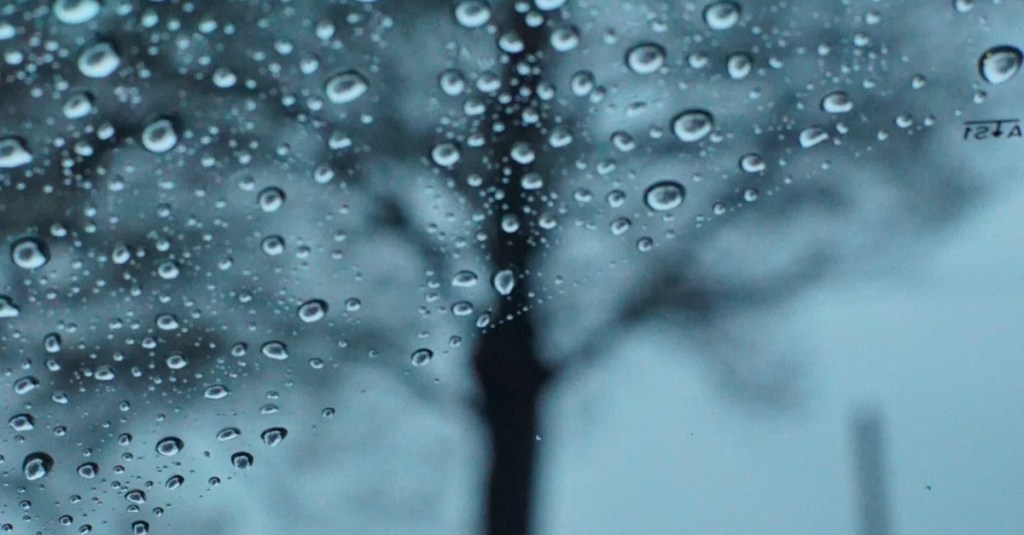
Wednesday, June 25th. While working from home, I glanced out the window at the sky. The weather was strange—sunny one moment, then cloudy, then pouring rain. Just a while ago it was a heavy downpour, but now the sun peeked through gaps in the clouds. Today, my work went smoothly from the morning. I summarized the minutes of yesterday’s meeting, checked with an external contractor about whether the proposed specification changes were feasible, and prepared a list requested by the client. Time flew by.
Even though I’d worked up quite a sweat during last night’s tennis lesson, the fatigue hadn’t lingered at all today. I always keep my racket by my desk, and when I find myself stuck in thought while working, I sometimes grab it and do a few practice swings. It helps clear my mind.
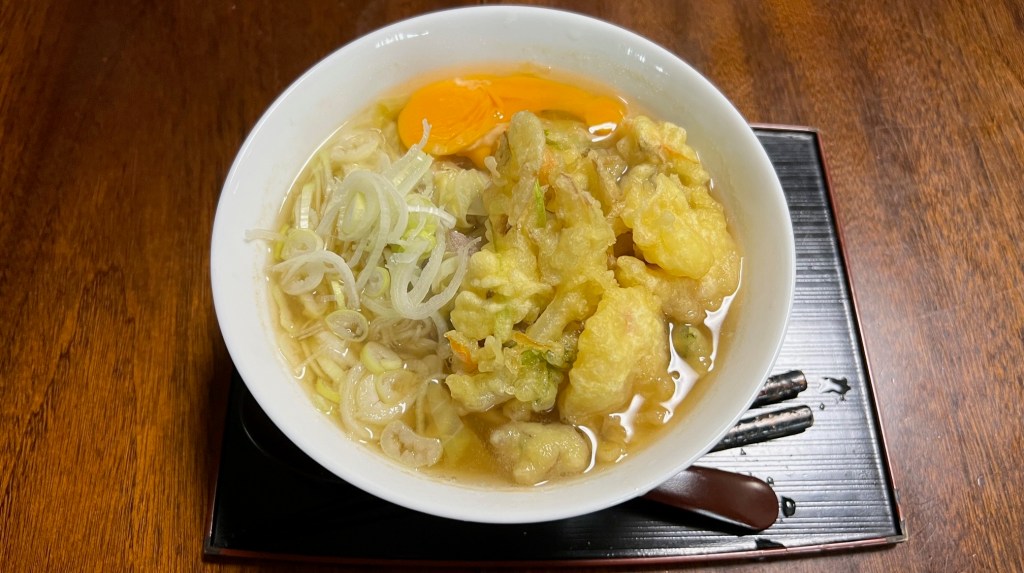
During lunch break, I went to the supermarket and bought shrimp and vegetable tempura, which I placed on the soba noodles I had made. I had a brief chat with my mother—she seemed a bit livelier today than she did yesterday. After lunch, she left for her weekly afternoon visit to the rehabilitation center.
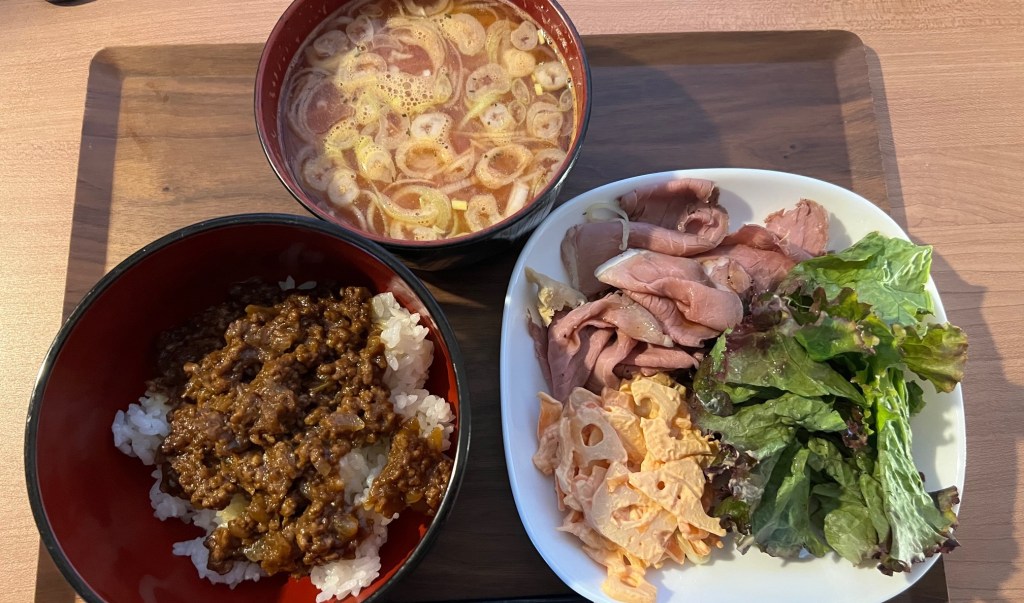
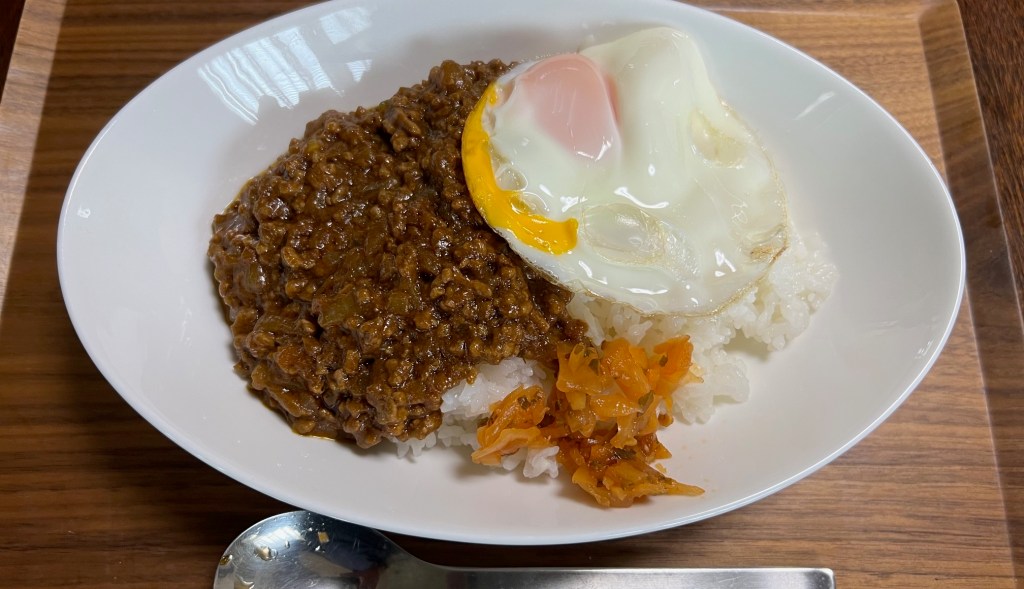
I could have gone to tennis practice again tonight, but since I already went yesterday, I decided to skip it. After work, I poured myself a glass of Scotch and thought about what to do for dinner. I could have waited for my wife to come home, but we had some leftovers in the fridge—keema curry, roast beef, and lotus root with spicy cod roe—so I made it a “clear out the fridge” kind of evening and enjoyed those.
Starting tomorrow, I’ll be taking two days off to visit the municipal office and handle the inheritance paperwork from my father to my mother.
Anyway, just wanted to share a little snapshot of my day. I hope you’re all doing well out there—after all, a good meal and a peaceful moment can make all the difference. Grateful, as always, for the food and the time to enjoy it.
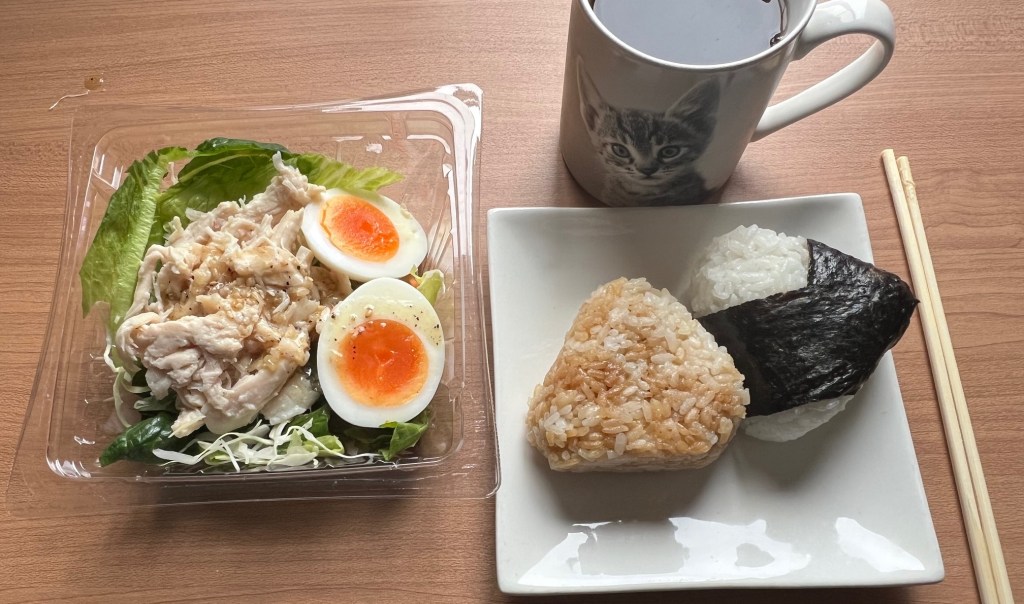
Wednesday, June 24th. The sky is overcast, with occasional light rain. I stayed in bed until 7:30 to get a bit more sleep. I’m working from home today. I’ve grown tired of toast, so I picked up a rice ball and a chicken salad from the convenience store for breakfast.
A message came in from the construction company saying that, due to the risk of rain, they’d be postponing work for today and tomorrow. That’s a problem—I have to return to Osaka next week. I won’t be back in Tokyo until the week of July 21st. Maybe I’ll ask my wife to supervise the work in my place. I replied that I’d check our schedule and get back to them.
Living between Osaka and Tokyo makes scheduling quite tricky. Truthfully, I can do my job from either location, but I also need to make time to spend with my mother and wife. I’m organizing plans through September, coordinating tennis matches in Tokyo and dinners with friends. I’ll probably need to travel between the two cities about once a month.
When I went downstairs, my mother was sitting on the sofa in the dark. Although the living room has a large south-facing window, it doesn’t get much sunlight due to the proximity of the neighboring house, so it gets gloomy on cloudy days without the lights on. She wasn’t watching TV. Her back looked so small.
When I asked if she was okay, she said she felt unwell. My wife later told me that, since losing my father, my mother often feels sick in the mornings due to anxiety. It seems to be a symptom of depression. She later went to a mental health clinic by herself. Since my wife had the day off work, I asked her to buy some ground meat and tomatoes—I wanted to make keema curry for lunch to cheer my mother up.
After finishing my morning work and my mother returned from the clinic, I went into the kitchen to start cooking. I finely chopped an onion and sautéed it in olive oil. Once it softened, I added the ground meat, garlic, and ginger, and cooked it thoroughly. Then I added tomato juice and water, brought it to a boil, and mixed in curry roux. The flavor turned out a bit too strong, so I mellowed it with some milk. I topped it with a fried egg toasted in the toaster.
My mother smiled and said it was delicious, though she still looked a little tired. The clinic gave her medication, so we’ll monitor how she does for now.
In the afternoon, I joined a kickoff meeting online for a client project. I received some comments on the technical documents I’d submitted, but the session wrapped up without issue. While I was working, my mother apparently went to the orthopedic clinic, and my wife also went out.
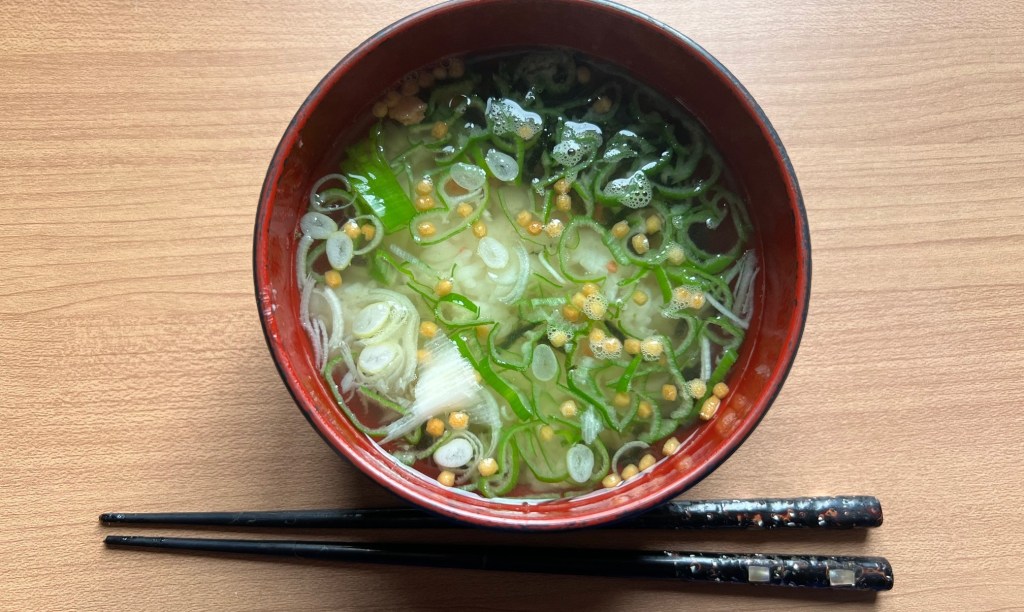
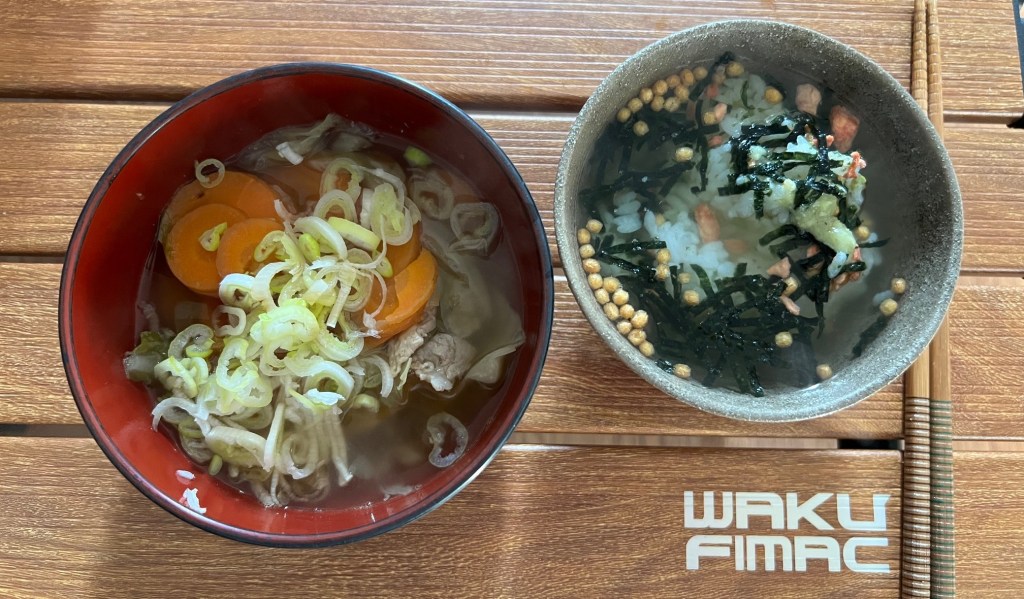
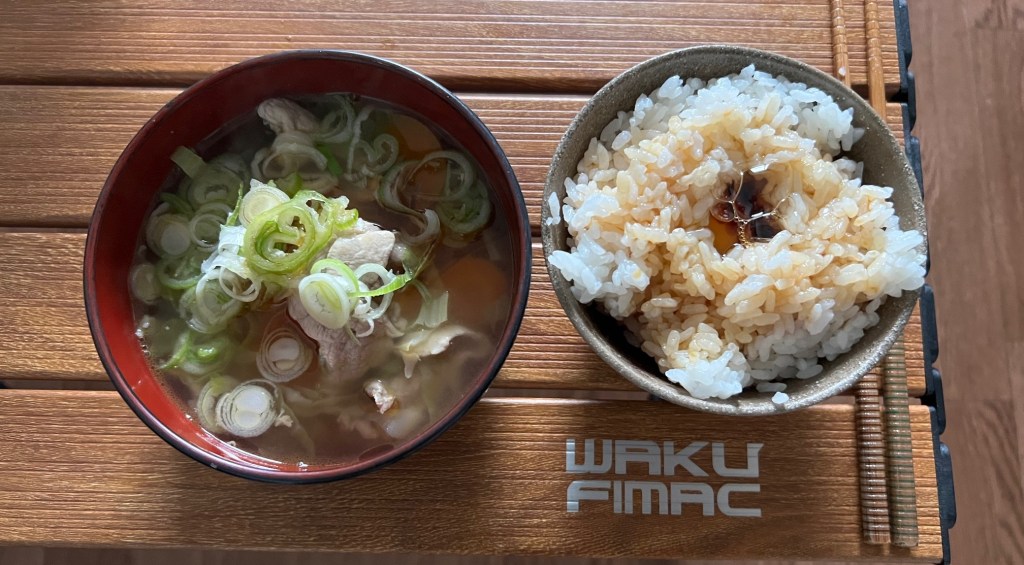
That evening, I had a singles tennis lesson scheduled. Lately, I haven’t been playing very well. I changed the grip tape on my racket to help me focus. About two hours before the lesson, I had a small bowl of rice with ochazuke and added some chopped green onions. Summer lessons are especially draining, and I often get leg cramps, so I try to get a light amount of carbs beforehand without making my stomach feel heavy.
The court surface has many irregular bounces, so I decided to focus closely on watching the ball this time.
After 90 minutes of sweating it out, I took a cold shower. It had been a deeply productive session. I once again realized the importance of keeping my eyes on the ball and maintaining proper posture. I really pushed myself hard in today’s lesson.
Mind, technique, and body—how long I’ll be able to keep playing, I don’t know. But this sport is something essential for keeping my mental and physical balance.
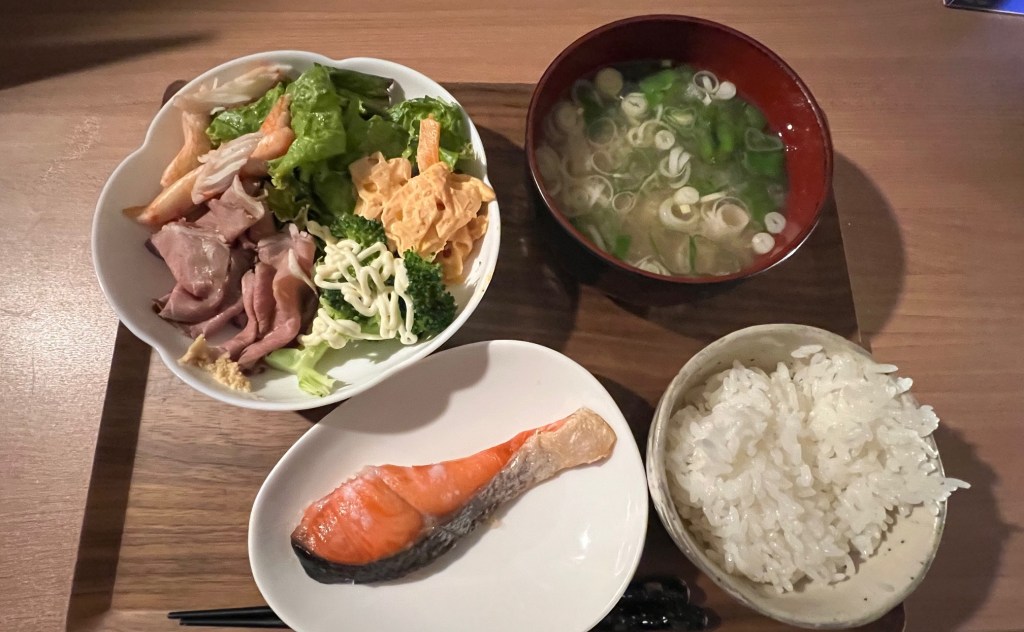
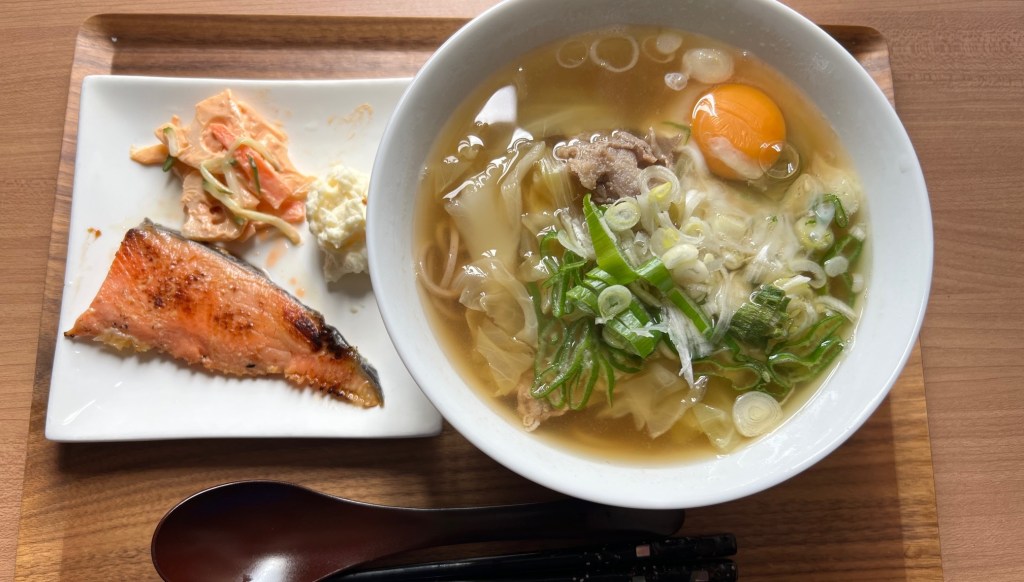
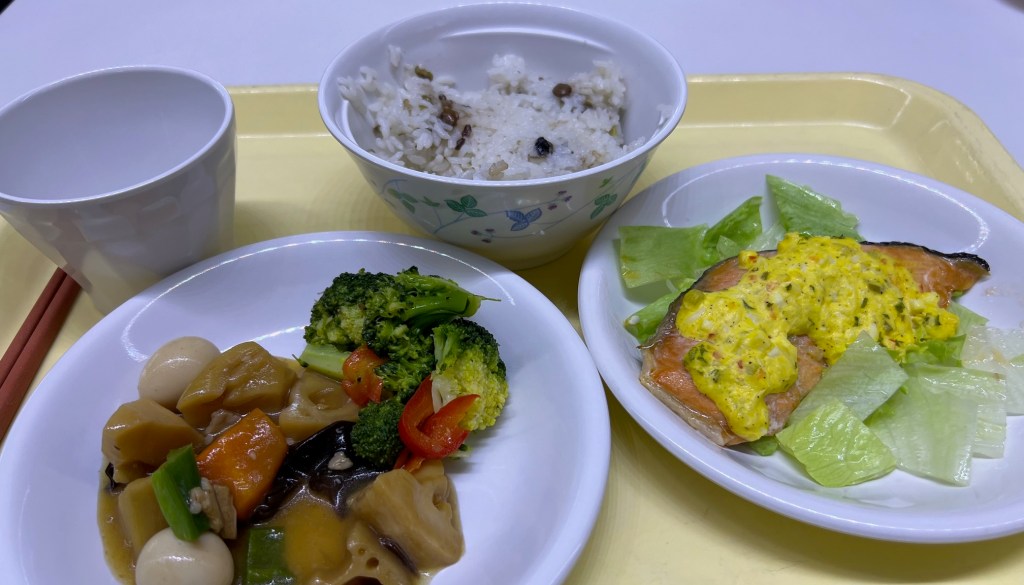
For dinner, I enjoyed a meal my wife had prepared: grilled salmon, roast beef, lotus root salad with mentaiko, and miso soup with clams. Ever since I started cooking myself, I’ve come to deeply appreciate meals made for me. It was all delicious.
To make sure today’s fatigue doesn’t carry into tomorrow, I’ll head to bed early tonight.
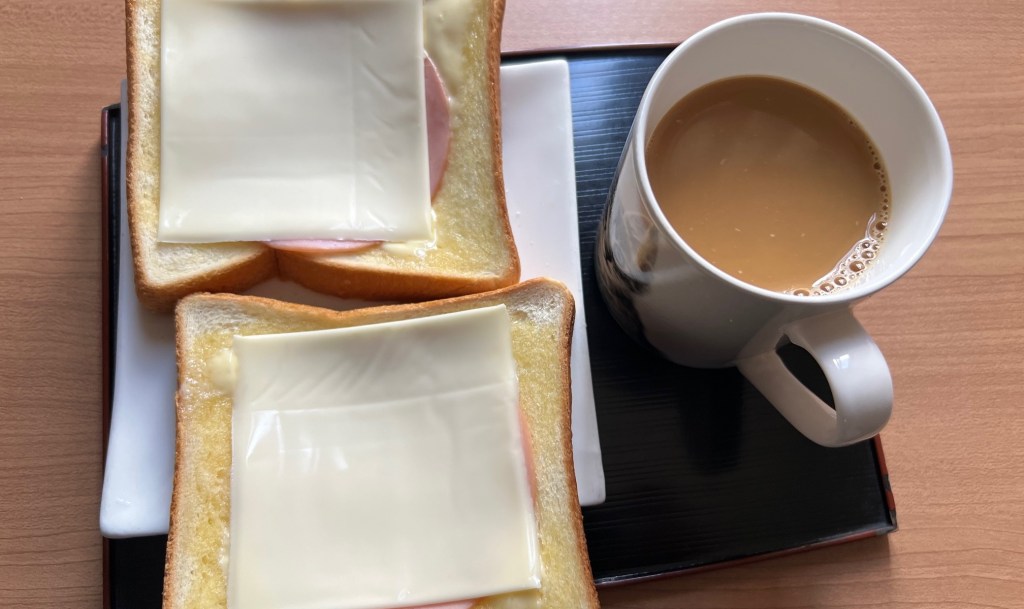
Monday, June 23. It was a sunny day, but once again, the wind was strong. Since I work from home, I slept in until 7:30, even though my official workday starts at 8. The weekend tennis had worn me out, so I decided to have two slices of toast to replenish some energy. My wife headed off to work, and my mother sat on the sofa downstairs, watching TV.
Today was a reasonably busy day at work. Project management, at its core, is like being the lubricant that keeps the wheels of a project turning smoothly. I coordinate between departments, relay information, and address bottlenecks before they stall progress. It’s not about being a technical specialist—it requires broad knowledge across multiple fields. There’s a lot of responsibility, but I enjoy the sense of driving things forward. This role suits me well.
While I was working, contractors arrived to repair a basement leak and recoat the balcony. After a brief discussion, they got started. I left the work to them and returned to my own tasks.
Around midday, the site supervisor messaged my phone. Some parts of the repair were more complicated than expected, and he asked to continue the work tomorrow. I replied with my approval.
Heading down to the kitchen, I started preparing lunch. My mother asked, “Are the workers still here?” I replied, “Yeah, they are.”
For lunch, I had soba noodles with cabbage and pork, grilled koji-marinated salmon, lotus root with spicy cod roe, and a bit of leftover potato salad. Except for the soba, everything was leftovers from the fridge.
As I skimmed the Nikkei newspaper, I came across a feature analyzing the global impact of yesterday’s U.S. attack on Iran. If Iran were to retaliate directly against the U.S., the global order would be deeply shaken. The Middle East continues to heat up, and the war in Ukraine shows no sign of ending. Trump once claimed in his campaign speeches that he would end wars. But in reality, things are heading in the opposite direction.
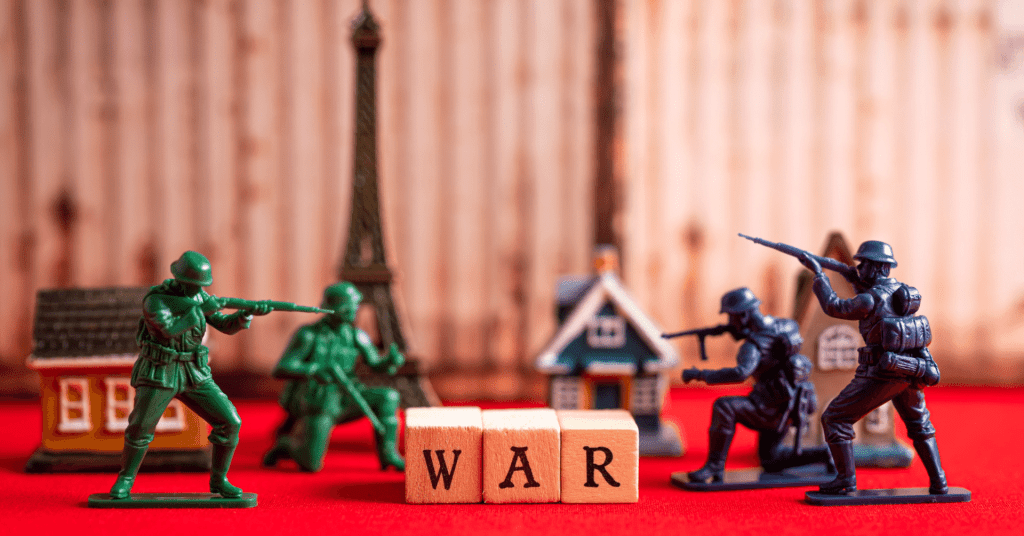
One article stated bluntly: this era is no longer “post-war,” but rather “pre-war.” Experts warned that, just like in past world wars, people often think everything will be fine—until suddenly, it’s not. We must not repeat those same mistakes.
“War”—of course, I have never experienced it myself. But if a world war were to break out, what would happen to the people around me? My neighbors dying one by one. Nights filled with fear of air raids. No reliable way to secure food for tomorrow. No stable supply of medication. If someone pointed a gun at me—what would I do? Isn’t it a bit reckless to assume such things could never happen? Yet, despite such worries, my daily tasks continue to sweep me along without pause.
At 5 p.m., I finished work for the day. Letting out a deep breath, I leaned back in the recliner. My wife usually comes home around 8, so I still had some time until dinner. I poured myself a scotch and soda from the fridge and took a sip.
Working from home is incredibly efficient. No commuting time. No need to dress up—T-shirt and shorts will do. Even when there’s construction work at home, I can manage both the job and keep an eye on my mother, who I’d rather not leave alone.
At the same time, going to the office has its advantages. Communication with colleagues is quicker and more effective. Getting a feel for the workplace atmosphere is key to navigating the job smoothly. In the end, having a good balance of both environments is ideal.
I rummaged through the fridge but didn’t find many ingredients I could cook with. Maybe bibimbap?
My wife came home, and we prepared dinner together. We stir-fried some pork and added store-bought sauce. We placed the grilled pork and pre-made bibimbap vegetables over rice, then topped it off with gochujang. The miso soup was made from the clams my wife had cleaned yesterday, along with chopped green onions.
Clams are packed with iron, vitamins, taurine, and zinc—great for recovery. Hmm, the sliced pork might have been a bit fatty, but since the rice portion was small, it made for a well-balanced, delicious meal.
Tomorrow brings another day of work. Apologies for leaving this a bit incomplete, but I’ll end it here for today.
Sunday, June 22. It’s supposed to be the rainy season, but not a single cloud is in the sky—just clear, bright sunshine. Perhaps this too is a result of global warming. When I woke up, a ray of light peeked through the gap in the curtains. Since my room faces west, the sun doesn’t shine directly in, but I could hear the wind rustling the window. My body feels a bit heavy—probably from yesterday’s tennis lesson. My wife seems to have gone out for tennis.
A message pops up from my sister in the family group chat: “The melon bread I bought yesterday is really moist and delicious, so eat it soon!” Around 9 a.m., I finally get up and split the melon bread with my mother for breakfast. Indeed—it’s moist, and the sweetness is just right.
After finishing breakfast, I leave the curtains half-closed, settle into the reclining chair, and doze off for a bit. Before I know it, it’s already noon. The fatigue from yesterday’s lesson seems to be catching up with me. I go down to the kitchen, take some sliced pork belly from the fridge, stir-fry it with ginger sauce, then heat up some frozen fried rice. I top the rice with the ginger pork and chopped green onions—voilà, a ginger pork rice bowl. My mother had already eaten, but my wife came back from tennis just in time, so we had lunch together.
Hmm… It tasted fine, but the fried rice had a strong flavor, and so did the ginger pork, so the two flavors kind of clashed. White rice might have worked better, I thought as I ate. Still, my wife smiled and said, “It’s delicious,” so I’ll call that a win.
Later, while browsing the Nikkei website, I came across breaking news: the U.S. had attacked three nuclear facilities in Iran. They even used bunker-busting bombs. So… they finally went through with it. What happens next? Just after I’d shared a rare laugh with my wife, tension seeped back into my heart. It’s the first time the U.S. has officially attacked Iranian territory. I can understand that they might have felt they had no other choice. I just hope the conflict doesn’t escalate further.
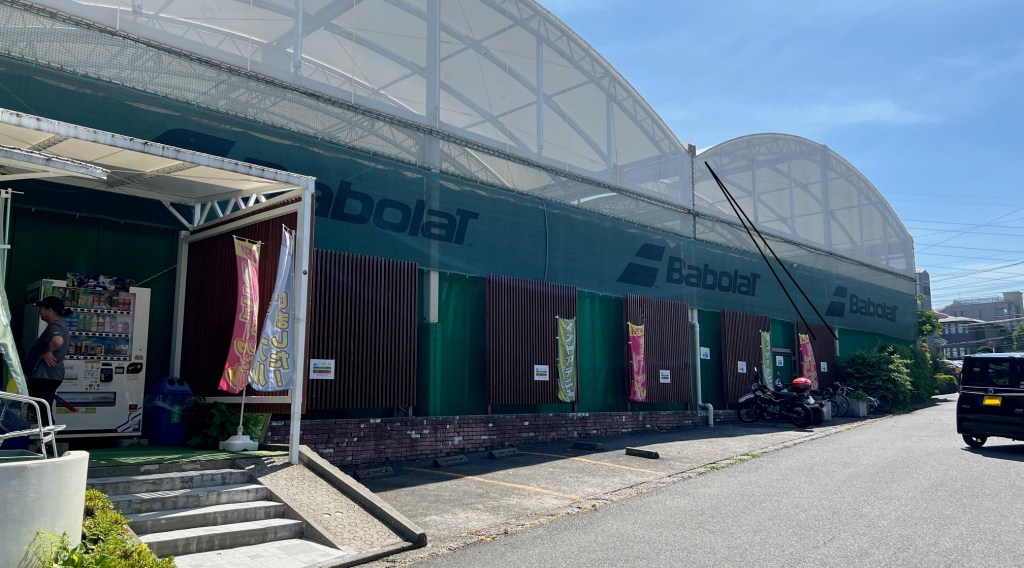
With these thoughts still swirling, I headed out to my tennis lesson. It was a windy day. The rows of cherry trees were lush with green summer leaves, their branches swaying wildly in the breeze. It had been a while since I visited Tsukushino Tennis College during the daytime—everything looked like summer. I tried to center myself, closing my eyes and picturing a perfectly still surface of water. Tennis requires harmony of mind, skill, and body. Maybe because my heart was unsettled today, my play felt off. Well… some days are like that.
After coming home and taking a shower, I went to the hair salon. I was still quite fatigued, but chatted with the stylist about how both our parents are doing. I guess we’ve reached that age now. It’s already been 13 years since I started coming here, and they’ve always been kind and attentive—something I really appreciate.
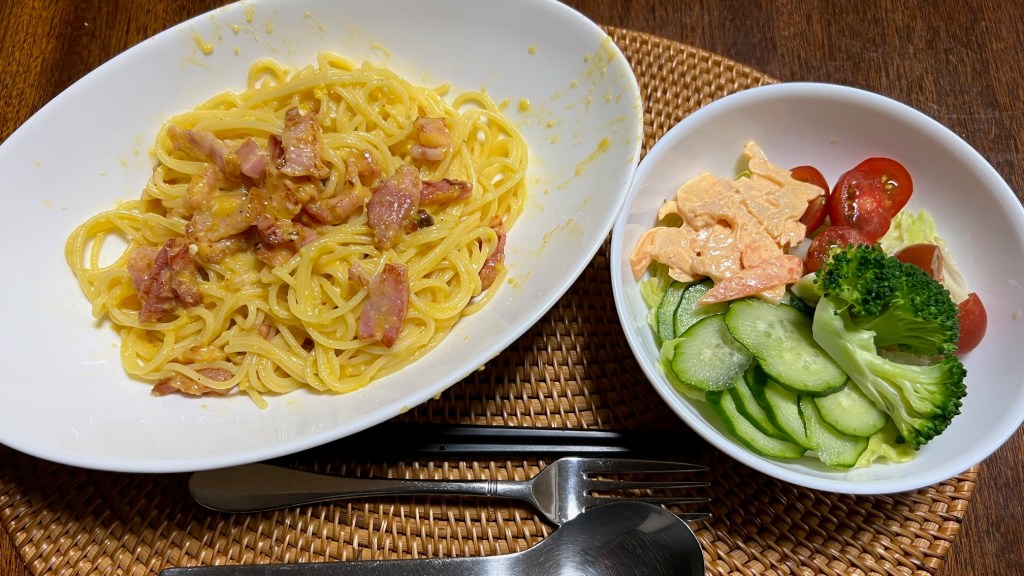
After the haircut, I returned home. My wife had already done the grocery shopping for dinner. I’d planned to cook carbonara tonight for her and my mother. I cut the bacon into bite-sized pieces. I mix eggs, parmesan cheese, and black pepper to make the sauce base. While boiling the pasta, I fry the bacon until crispy, then turn off the heat. When the noodles are done, I toss them in the pan with the sauce, using only the heat of the pasta to blend everything together—if you use the flame, the eggs will scramble. The flavor was good, actually. But the noodles ended up a bit too firm, and since the eggs were cold, the whole dish cooled quickly. Maybe using pasta water to adjust the temperature without cooking the eggs is the key, but that’s still tricky for me. Cooking really is a deep art. Still, my wife and mother seemed happy. We had a lively conversation during dinner, something we hadn’t had in a while. I want to create more moments like this, little by little.
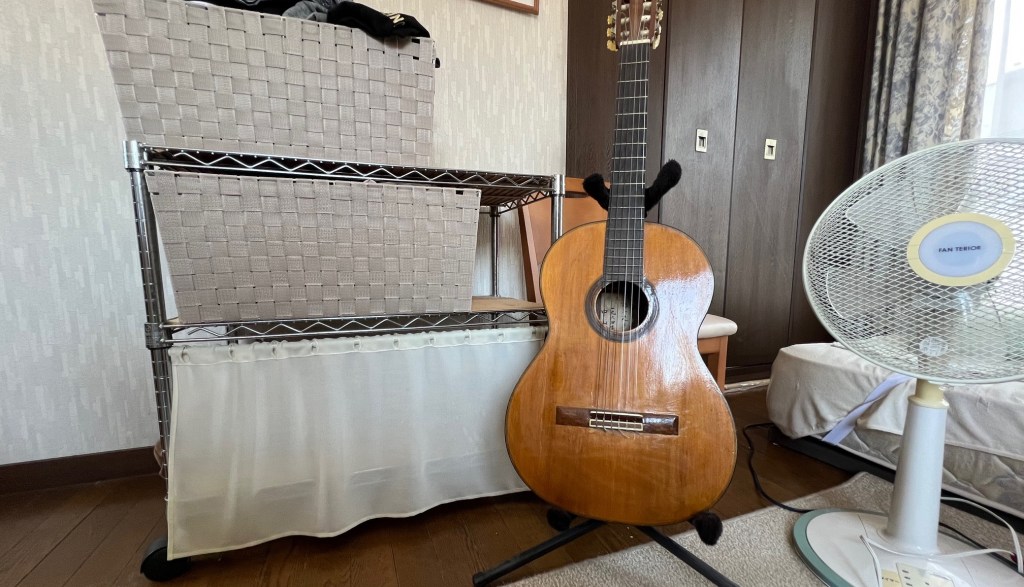
Saturday, June 21. I arrived at my parents’ house in Tokyo around 10 p.m. last night. My mother was still awake and greeted me with a loud “Welcome home!” I replied softly with just a quiet “Yeah.” When I entered the room, my father’s guitar and the electric fan welcomed me. There were signs the futon had been aired out, and the air conditioner was on. My wife was already asleep, and I was sure she had taken care of all that.
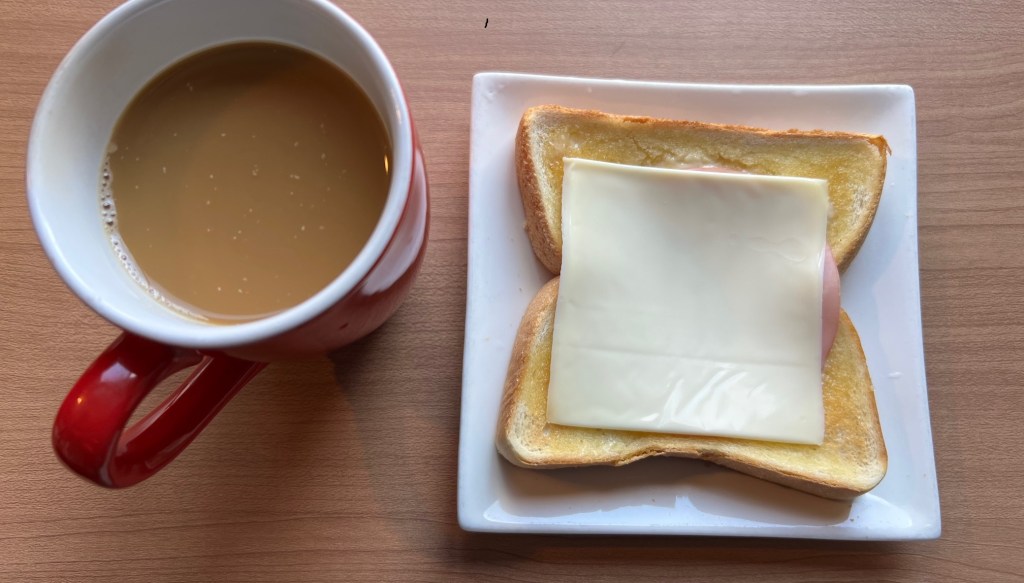
I was tired and fell asleep almost immediately. In the morning, I brushed my teeth, had some toast and coffee, and took a hot bath to wash away the fatigue.
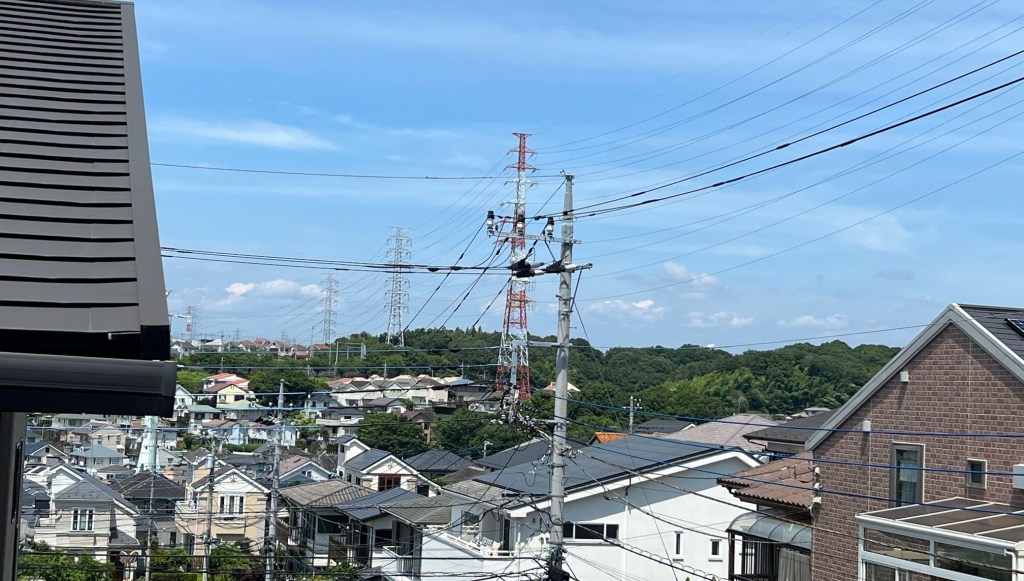
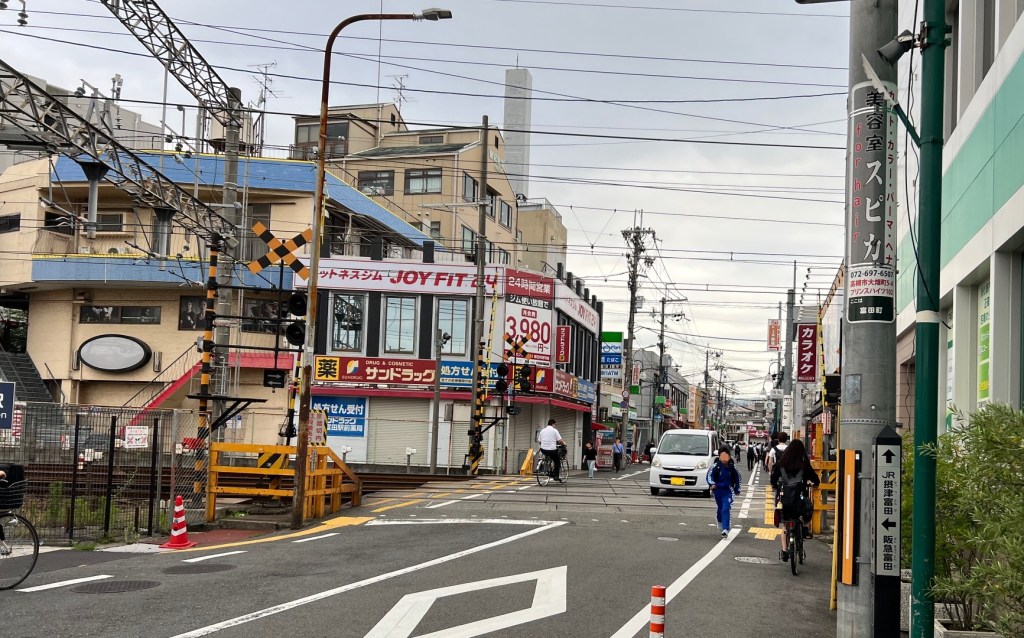
I had planned to pick up my medication from the mental health clinic today, but only realized it was a holiday this morning. Well, I still have enough medicine to last another week, so it’s not a big deal. The sky is clear outside, and I’ve returned to this town of steel towers and sloping hills.
I began preparing documents related to inheritance and name changes. I already knew how many copies I needed, but there were new forms like the inheritance division agreement that required more work than expected. When something like the property registration number or the official family registry address wasn’t clear, it became a bottleneck, halting progress. My younger sister had also come to Naruse, and we worked together to move things along.
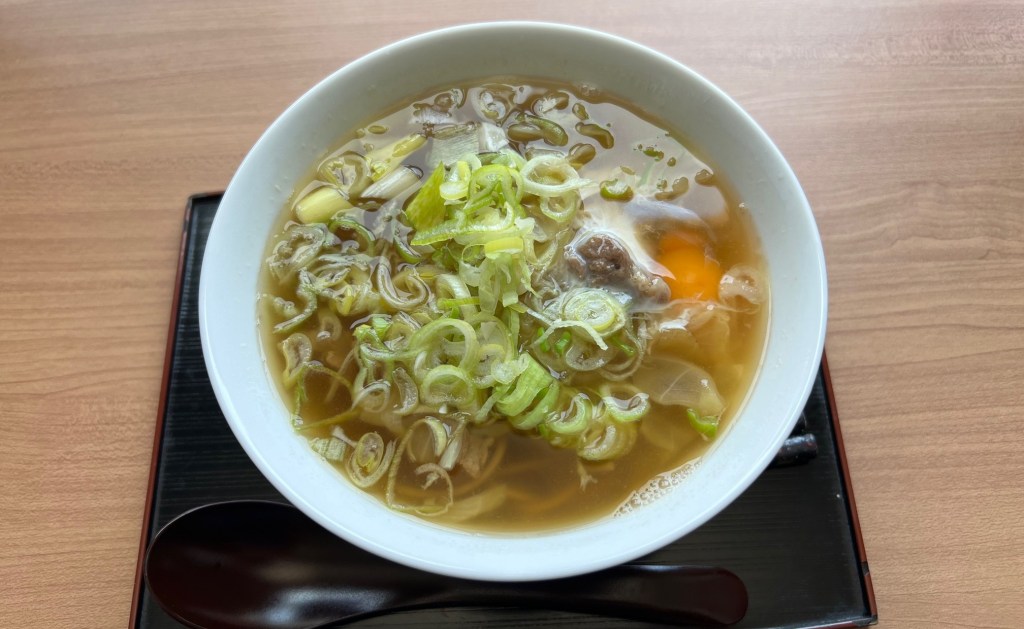
Before we knew it, it was lunchtime, so I made soba noodles. There was some pork and cabbage left in the fridge, so I made our usual soba with them. I topped it off with white leek I had brought back from Osaka.
My wife had mentioned she was going for a medical checkup today. Apparently, she was having both an upper and lower endoscopy. She seemed a bit unwell. I suspect the stress of taking care of my mother while I was away may have taken a toll on her. She responded cheerfully whenever I spoke to her, but I still felt a little concerned. My sister and I worked together to complete as much as we could and then took a break. She had another engagement in the evening, so she left a bit hurriedly around 3 p.m. I went back upstairs, leaned against the wall on the bed, stretched my legs out, and relaxed.
I took a deep breath. The sound of cool air blowing from the air conditioner filled the room. With my earphones in, I listened to Aoi Teshima’s song “Tsuki no Nukumori” (The Warmth of the Moon). I closed my eyes and focused on the music. It’s a calming, beautiful song. Back when Canon, our beloved dog, was still with us, the four of us would often go to the park together or dine out as a family. Those were peaceful days. But my wife often voiced her frustrations about my mother to me. After Canon passed away, her sorrow found an outlet in increasingly harsh words about my mother. It even led to arguments between my wife and me. Amid all that, my father was diagnosed with cancer.
My mother, deeply concerned, devoted herself to caring for him. Maybe it’s because I saw that side of her, that now—after my father’s passing—my wife has been trying to maintain a healthy distance while also making sure my mother doesn’t feel too lonely. Since my wife has her own room upstairs, I believe it’s easier for her to process her feelings that way.
My mother had always depended on my father for everything. So I was deeply worried about how she would cope after he was gone. But contrary to my concerns, she hasn’t seemed to dwell on her grief for long. She keeps herself busy—gardening, taking care of the medaka fish, cleaning, doing laundry, and cooking. Apparently, she also watches TV and streaming videos on her smartphone. My sister and I try to message her frequently on LINE.
Now that my life in Osaka has begun, I’ve often found myself overwhelmed by the new environment and responsibilities. I feel a certain distance growing between us as a family.
I believe that distance began in February of last year, when Canon passed away. With her gone, my wife and I started to drift apart. Then my father began his treatment, and over the course of his illness and eventual passing, I now clearly recognize that each of us went through emotional changes in our own way. Death spares no one. Though my father is no longer with us, we are all doing our best to accept the changes and adjust to this new life.
Bringing it back to the present, I joined a tennis lesson tonight at 7 p.m. The surface of the court here is different from the one in Osaka, so I struggled a bit to adjust, but I could still feel that all the training over there wasn’t wasted. I still have plenty of lesson tickets left, so I plan to practice intensively over the next week. It was nice to reconnect with the coaches after a while, and we chatted happily about my new life.
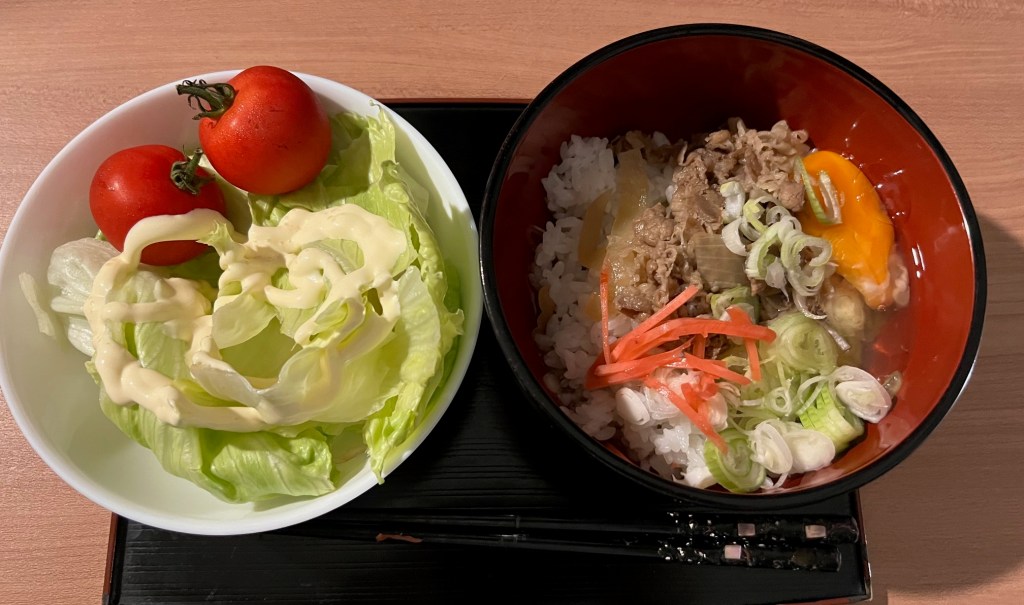
Tonight’s dinner was made using whatever was left in the fridge—frozen beef bowl topped with green onion and egg, with a side of lettuce and cherry tomatoes. The three of us ended up eating separately this time, but I’m thinking of making something for everyone tomorrow.
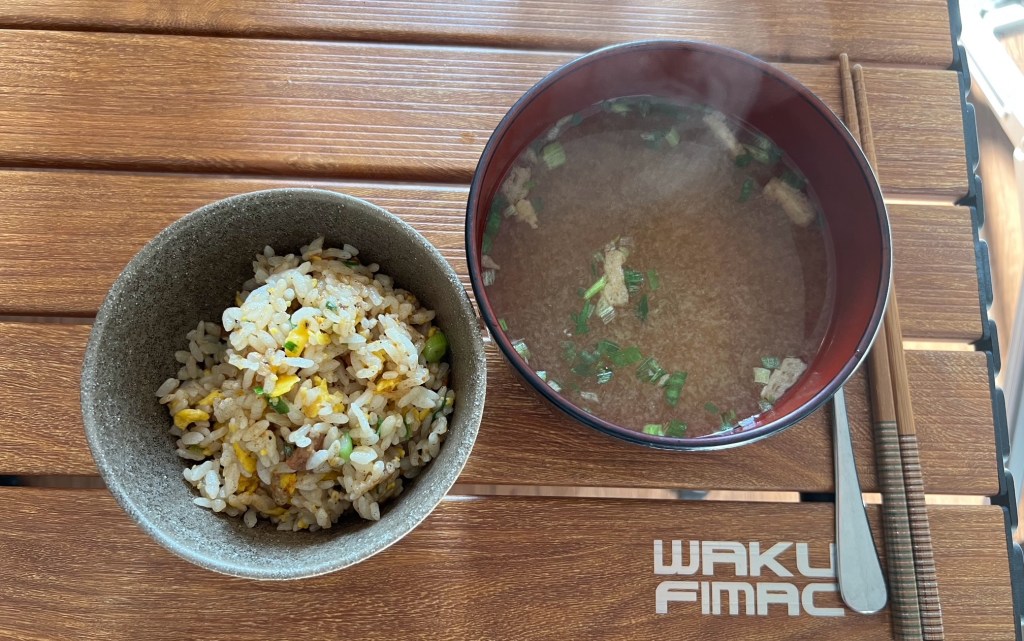
Friday, June 20th. It’s hot. When I woke up, the room felt stuffy. I immediately turned on the air conditioner, switched on the fan, and drank some sparkling water from the fridge. For breakfast, I had fried rice, topped with some leftover green onions. I brought in the laundry I had hung on the balcony yesterday.
After work today, I’m heading back to Tokyo. I plan to stay there until next Sunday, June 29th. My schedule in Tokyo is fairly packed. On Saturday the 21st, I have a morning appointment at the psychiatric clinic to get my usual prescription. On the 22nd, I’ve scheduled a haircut. I hadn’t felt like trying a different salon in Osaka, so I’d just let my hair grow a bit too long. Over the weekend, I also need to do a final check of the documents required for inheritance procedures. From Monday the 23rd to Wednesday the 25th, contractors will come to make some repairs on the house, so I plan to work from home while overseeing the work. On the 26th and 27th, I’ll be going to the municipal office for procedures related to the inheritance from my father to my mother, and to convert her pension into a survivor’s pension.
But that’s not all. Since I’ve been in Osaka for a while, quite a few lesson tickets have piled up for my tennis school in Machida. I’d like to use them as much as possible on weekends and in the evenings during the week.
This afternoon, I had a handover meeting with the design department for a new project. So, in the morning, I was busy preparing and compiling the technical documentation. I carefully reviewed the customer specifications, the technical documents from the estimation phase, and the Devicla (device classification). I wanted to minimize any uncertainties before the meeting as much as possible. I feel like I’ve gotten a bit more used to this process. More than anything, having colleagues nearby doing the same work is really helpful—you can ask quick questions without hesitation. Perhaps my transfer to Osaka was the right decision after all, at least from the company’s perspective. It wouldn’t have gone this smoothly if I had stayed at the Tokyo office.
For lunch, I enjoyed Thai-style beef curry with rice. In the afternoon, I held the handover meeting with the technical department. Our Project Management Section is still newly established, and we’re in the middle of refining our workflows through trial and error. Exchanging opinions with other departments is crucial. They have their own constraints and needs, and I try not to dismiss those outright. Instead, I aim to build mutual understanding, accept what should be accepted, and keep adjusting the process as we go. The key lies in building a relationship of mutual respect across departments.
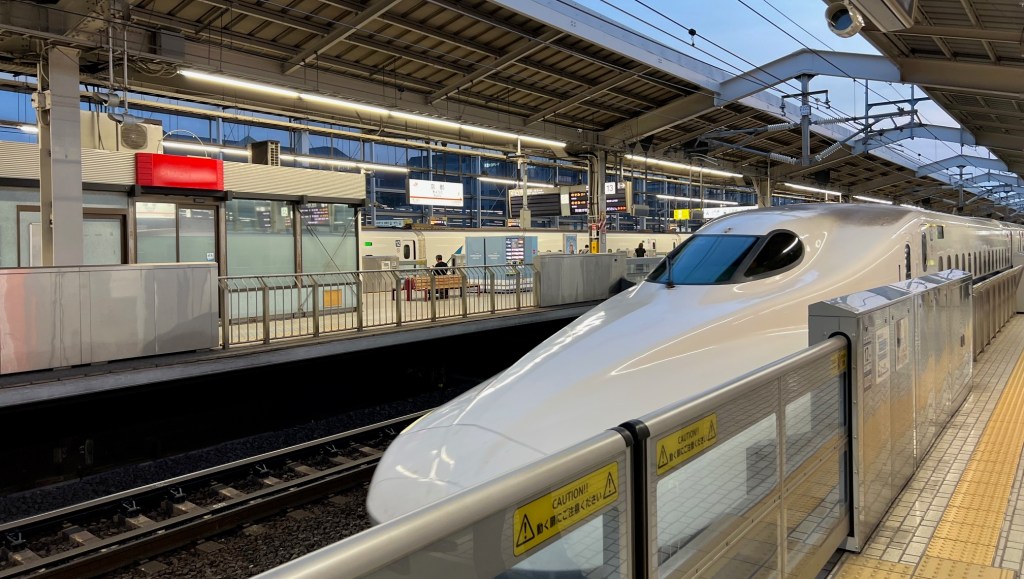
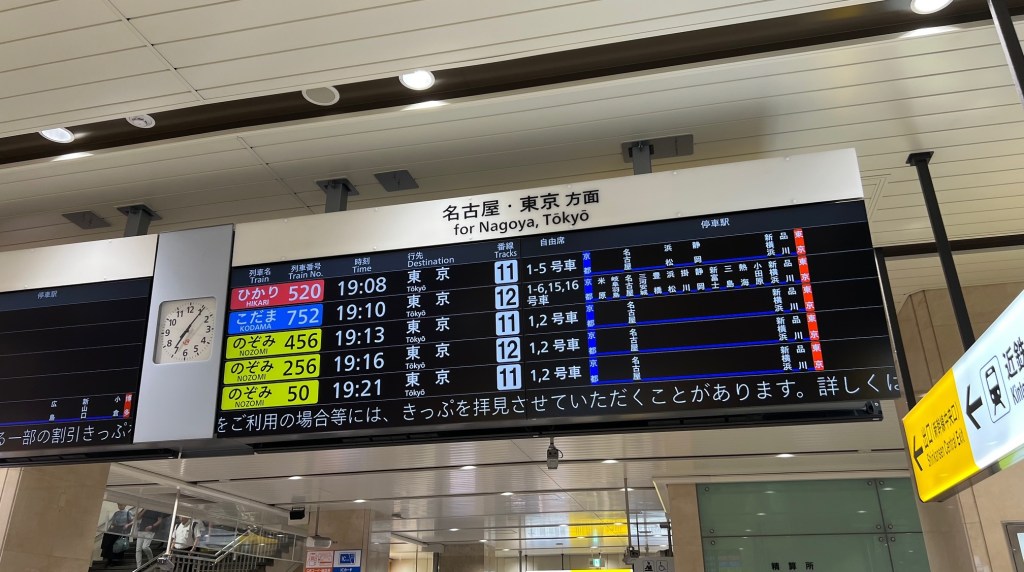
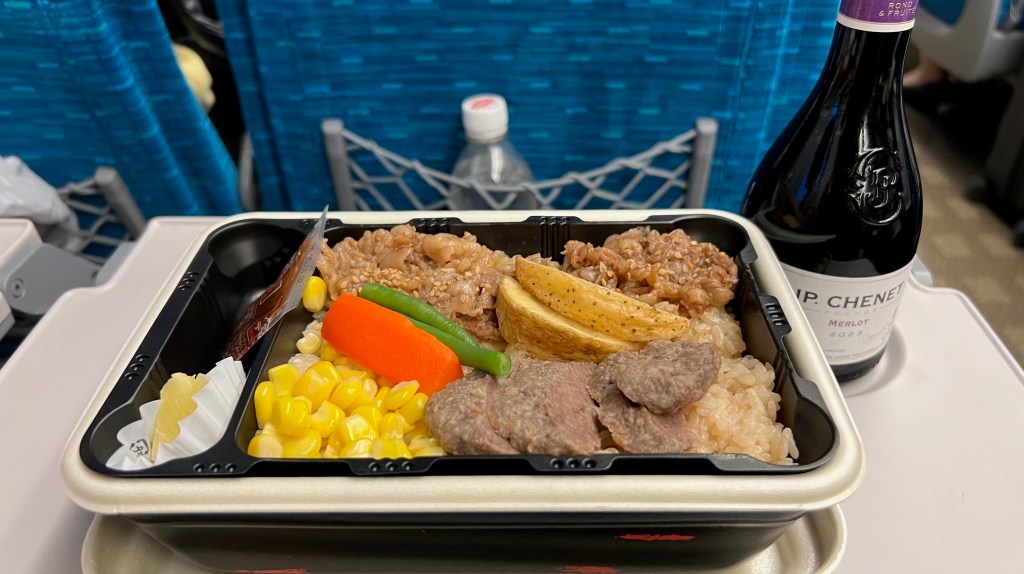
There are still some outstanding issues, but we successfully concluded the meeting with the design team. When the workday ended, I headed home to begin my trip to Tokyo. Back at the apartment, I took my racket out of my tennis bag, pulled the green onions from the fridge, wrapped them up, and put them in my bag. At Kyoto Station, I bought a bento and boarded the Nozomi 256, departing at 19:16. Today’s pick was a grilled meat and hamburger bento.
I was tempted to add the green onions I had in my bag, but I held back and enjoyed it with a glass of red wine. I plan to use the onions tomorrow in some soba for lunch. It’s been about a month since I last took the Shinkansen. Eating a bento in a reserved seat on the train is one of my small pleasures, but since I’ve gotten into the habit of cooking for myself lately, I feel just a little guilty when I buy a station bento now.
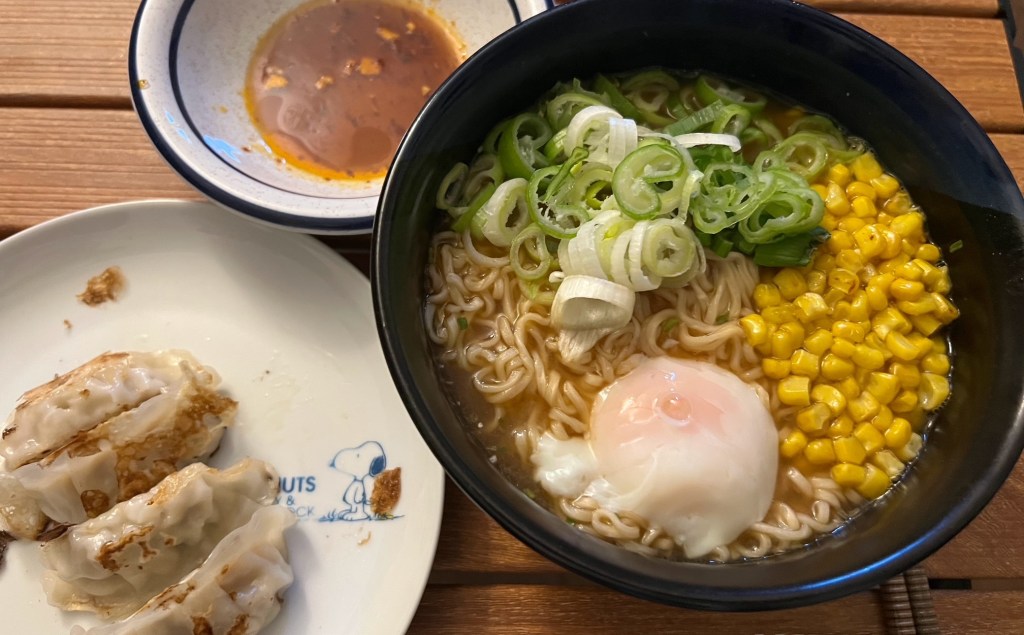
This Friday, after work, I’m heading back to Tokyo. Since I plan to stay for a week, I wanted to use up the food in my fridge, so I had ramen last night. I topped it with corn, green onions, and a soft-boiled egg. There were also some frozen dumplings, so I pan-fried them. Still, having such a hearty meal at night left me feeling a bit too full. This morning, my stomach felt a little heavy.
It’s Thursday, June 19. I had breakfast while watching the morning news. There was a report that Iran is ready to talk with the United States. The U.S. recently hinted at the possibility of attacking Iran. There was also a mention of the “bunker buster,” a bomb capable of penetrating underground nuclear facilities in Iran. It’s a negotiation through force, showing just how tense the situation has become. There’s also information suggesting Iran is in the final stages of developing nuclear weapons. I believe Trump leaving the G7 early was the right call. In any case, the state of the world is becoming increasingly fragile. At this point, nothing would surprise me anymore.
I finished off the cabbage soup I had prepared earlier. There was a bit of rice left, so I made ochazuke with it. The weather is clear today. In Osaka, it’s expected to reach a high of 34°C. It’s also recycling collection day, so I took out the PET bottles and empty cans. Wearing my white Nike cap that I use for tennis, I headed to work. Even just shielding my head from the sun made the heat much more bearable.
No matter how tense the world becomes, I still have to finish the work in front of me. This time, I had to prepare around 15 different technical documents. I created the materials while carefully checking the client specifications. I also kept an eye on the junior sales rep, who still lacks experience, and worked through the tasks with extra care. Unclear points will be clarified in tomorrow’s meeting with the design team.
As the only nation to have suffered nuclear attacks, I strongly believe that such tragedy must never be repeated. Nearly 80 years have passed since the atomic bombings of Hiroshima and Nagasaki. The survivors are aging, and the number of people who can carry on their stories is gradually decreasing. I hope the Japanese government will take the lead in the global effort to eliminate nuclear weapons.
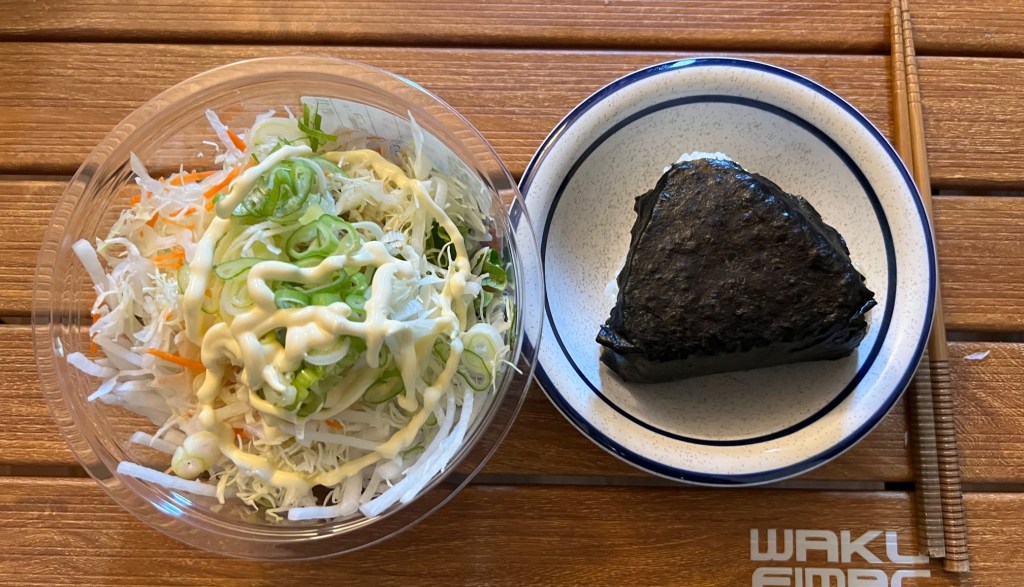
Tonight’s dinner was a rice ball and a salad from the convenience store. It’s the kind of meal I often had in business hotels when I used to come to Osaka on business trips. The only thing left in the fridge was a green onion, so I chopped it up and added it to the salad. The rest of the green onion I wrapped in plastic, planning to take it back to Tokyo and use it for lunch there. That’s all from me for today—if you’ll excuse me.
Tuesday, June 17. Thanks to the overcast sky, the temperature feels lower than yesterday. Even so, I woke up feeling extremely thirsty and chugged a bottle of sparkling water straight from the fridge. I warmed up the cabbage soup I made yesterday and had it with a bowl of rice topped with raw egg. When I turned on the TV, the news was covering the G7 summit currently being held in Canada. Trump’s face filled the screen. Once again, he’s the center of attention. Honestly, I’m getting tired of seeing that face—it’s overwhelming how aggressive the man is.
It was reported that he had his first face-to-face meeting with Prime Minister Ishiba, where they discussed trade issues. Apparently, Japan pushed for a review of tariff measures, but no final agreement was reached. Trump seems to be trying to reshape the global structure itself. I hope Japan can somehow benefit during this time of upheaval, but as a small country without natural resources, do we really have enough cards to play in negotiations?
The aging population and declining birthrate are pressing issues as well. Japan’s once world-renowned manufacturing prowess, the backbone of its high-growth era, has undeniably lost some of its shine. Or perhaps it’s more accurate to say that the era of “make something good and it will definitely sell” is simply over. Information processing, environmental issues, politics— it all feels even more tangled and complex than it used to be.
Japan supposedly has rare earth minerals in its nearby waters, yet concerns about environmental impact and tensions with China have kept commercial development from progressing. Both natural resources and national strength— we have to be cautious in how we use them. Sometimes, I can’t help but envy Trump’s boldness.
I took out the burnable trash to the collection point and headed to work. It was cooler than yesterday, but the humidity was quite high. It wasn’t raining heavily enough to require an umbrella, but a light drizzle occasionally left droplets on my cheeks. The morning at work was calm—I spent the time reviewing technical documents and preparing for meetings.
Then, an article from the Nikkei Digital caught my eye: Trump, who had been attending the G7 in Canada, was reportedly returning to Washington ahead of schedule to deal with escalating tensions in the Middle East. Tough guy. And he’s 79. I wonder if I’ll be that active when I’m 79. Handling multiple public duties at once, leading those around him— even though I doubt I’d get along with him at all if we met, there’s something strangely impressive about the man.
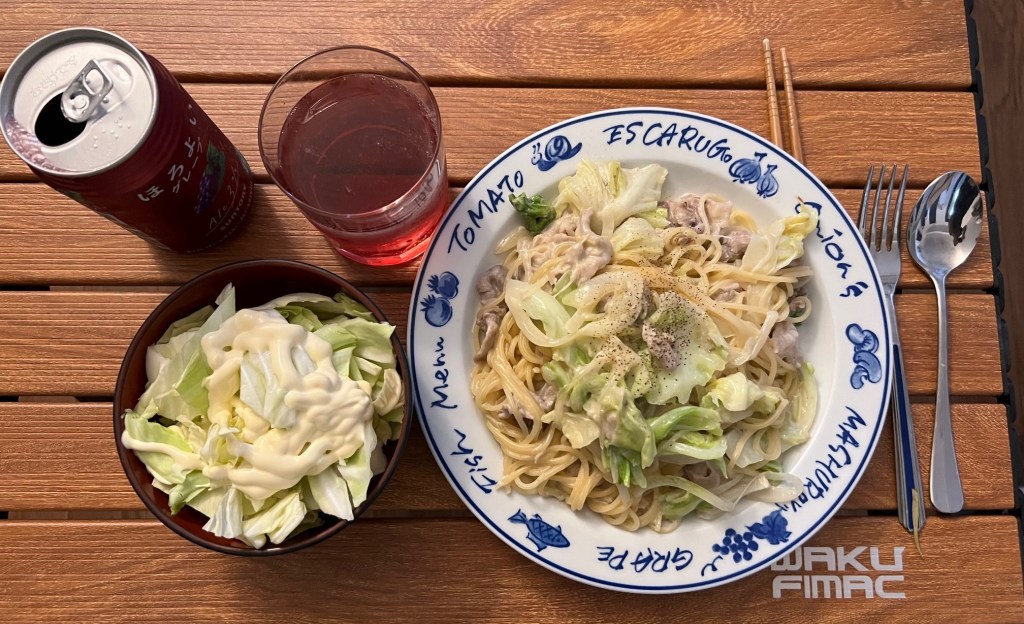
After finishing work, I headed home. I ran into a colleague with whom I recently shared dinner at an oyster restaurant and had a brief chat. I stopped by the supermarket to buy some milk. Since I’m planning to return to Tokyo on Friday the 20th, I need to use up what’s in the fridge. There was still a lot of cabbage left, so I made a creamy pasta with cabbage, pork, and onions. The garlic flavor came through nicely— it was delicious, though I was a bit heavy-handed with the pepper.
Monday, June 16. I woke up at 6 a.m. Morning sunlight was pouring into the room through a gap in the curtains. I stepped out onto the balcony and looked outside. The sky was clear, but the ground was slightly wet—it must have rained a bit before dawn.
I was glad I’d brought the laundry inside last night. I brushed my teeth, washed my face, and made breakfast: fried rice and miso soup with white leeks. The detoxifying effect of leeks is something I could get addicted to. After doing the dishes, I had no time to turn on the TV and headed straight out to work.
The sun was bright. The damp ground sent cool air upwards, but as I walked, my body temperature rose, and the blazing sun started to make my head feel hot. If it’s already like this in mid-June, I dread to think how harsh the real summer will be.
When I arrived at the office, I sat down and took a sip of the sparkling water I’d brought with me. The air conditioning made it comfortable, though it gets chilly quickly, so I always keep a jacket nearby. I hadn’t brought coffee today, so I used the office coffee machine, which grinds the beans fresh. The aroma was better than I expected, and it gave me a moment of calm.
Then a message came from my mother via Line. She said she was heading to the hospital, then to the bank to withdraw some living expenses. Since I was working, I just replied briefly: “Take care.” She’s already 85. I worry that the heat might be hard on her.
After lunch, I climbed the stairs up to the sixth floor as I usually do. The heat made my breathing labored. About four years ago, I injured the inner meniscus of my left knee. At the time, I weighed around 76 kg, and after playing tennis, even walking was tough. I couldn’t bend my knee deeply. I tried strength training and injections, but what ultimately helped was losing weight—about 10 kg—which eased the pressure on my knee. Now I can walk without trouble and play tennis again. But I’ve been told that the inner part of the meniscus is called the “white zone,” where blood flow is extremely poor and natural healing is almost impossible. So I try to move as much as I can—climbing stairs, walking—to stimulate circulation. Gaining weight again is strictly off-limits. I guess my body is starting to show its age.
My mother also has knee issues and gets regular injections at the orthopedic clinic. Her back is relatively straight, but her hearing has declined significantly, and she occasionally experiences dizziness. She’s said to have a mild case of Parkinson’s disease. But what worries me more is her naïve and impulsive nature. No, she doesn’t have dementia—but still, I feel uneasy leaving her alone.
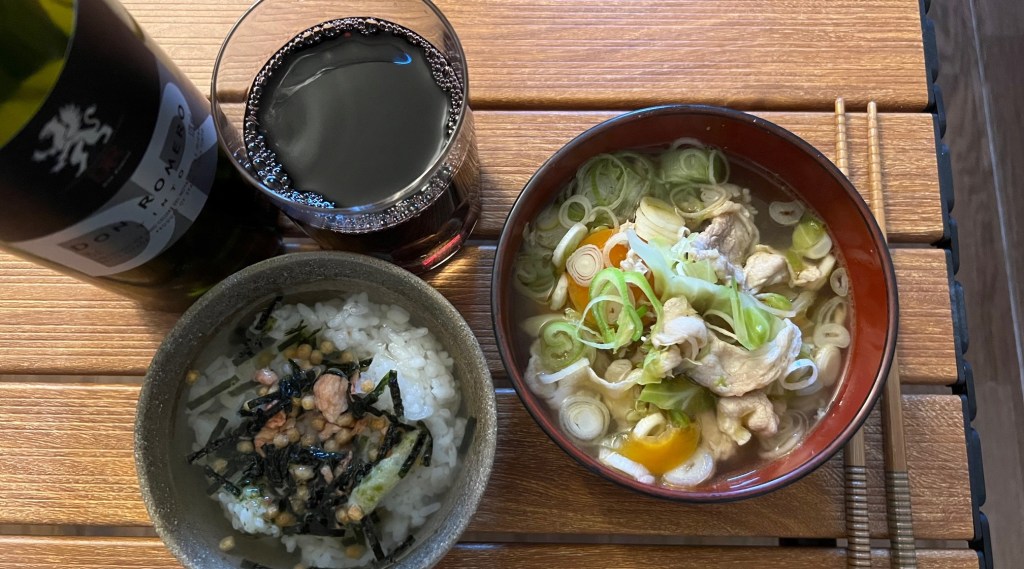
On my way home from work, I stopped by the supermarket to pick up some pork. I’m planning to prepare a batch of cabbage soup tonight. I eat heartily in the morning and at lunch, so I try to keep dinner light to maintain my current weight. I’ve got the recipe down pat: boil pork, chopped carrots, and cabbage in a pot, then season with soba sauce, bonito stock, and ginger. Just before eating, I add chopped white leeks and sesame oil. There was only one egg left in the fridge, so I saved it for breakfast tomorrow. Tonight, I’ll go with a small serving of ochazuke (rice with tea) to keep the calories in check. It’s easy on the stomach too, which is a plus.
I’m planning to head back to Tokyo this Friday and work from home there next week. I’ve arranged to take time off on June 26 and 27 to go to city hall and take care of my father’s inheritance procedures. It’ll be my first time in a while to check in on the family home.
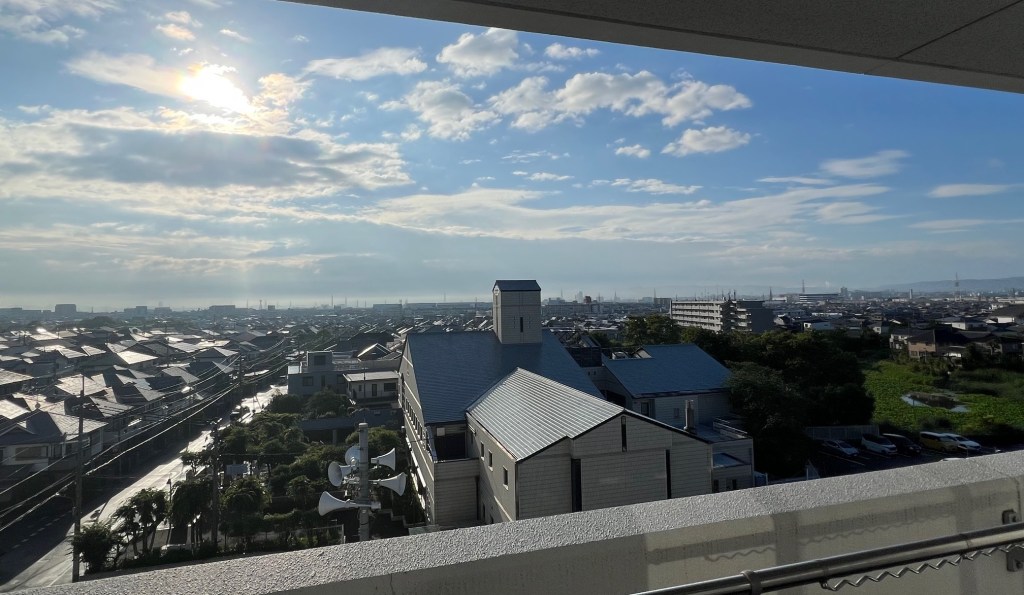
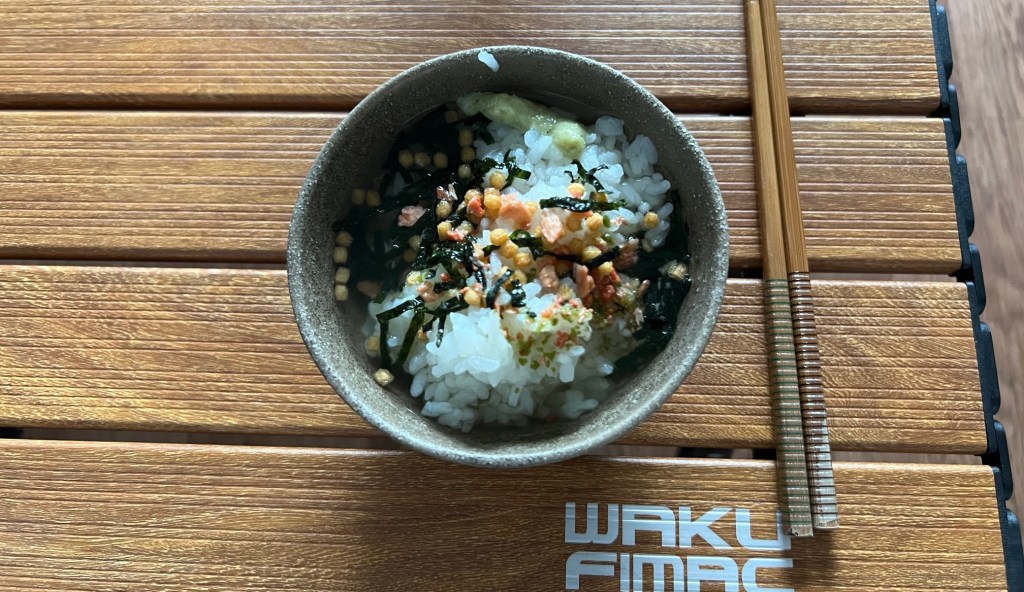
Sunday, June 15. With the rainy season in full swing, I didn’t feel like going out yesterday, so I spent the day quietly at home. This morning, I got out of bed around 7 a.m. and took a shower. As I dried my hair and brushed my teeth, I stepped out onto the balcony to look outside. The sky was overcast again. The streets were still wet, but no one seemed to be using an umbrella. The surface of Kodera Pond was still, undisturbed even by raindrops. According to the forecast, it would be cloudy all day, with a 30% chance of rain in the morning and clearing skies later in the day. “Maybe I can go out today after all.” I had a simple breakfast—salmon chazuke with a touch of wasabi. The sharp sting up my nose jolted me fully awake.
After watching the news for a while, I jotted down a shopping list. Let’s see—onions and minced meat. Oh right, I’m out of coffee. Maybe some sparkling water too. I still have some dried soba noodles, and there’s pork and cabbage in the fridge. Wait, I want some kakiage fritters too. I figured I’d need some energy for my afternoon tennis lesson.
Around 10:30, I headed to the local supermarket. Being Sunday, there were quite a few shoppers. I picked up everything on my list. As I passed by the dessert section, I realized it had been about a month since I started living alone—and I hadn’t had anything sweet like cake or chocolate. Even my coffee had been made with sugar-free sweetener. That thought lingered… so I bought myself an éclair.
Back home, I started preparing soba. While the noodles boiled on one burner, I filled a separate pot with water and brought it to a boil. I added pork and cabbage, then seasoned the broth with soba tsuyu and bonito dashi. Once the noodles were done, I placed them in a bowl, poured the hot broth over them, and topped it all with chopped white leeks, a raw egg, and the kakiage.
The taste… Well, how should I put it? It felt like warmth was seeping all the way to my core. My fingertips tingled slightly with heat and relief. The white leeks, rich in allicin, are said to promote blood circulation and strengthen immunity. They’re also full of vitamin C and fiber, great for recovery. Combined with the protein from the pork and egg, and the digestive benefits of the cabbage, it turned into a deeply nourishing detox meal. I had the éclair for dessert. With my brain now properly fueled, I could feel that my afternoon tennis session was going to go well.
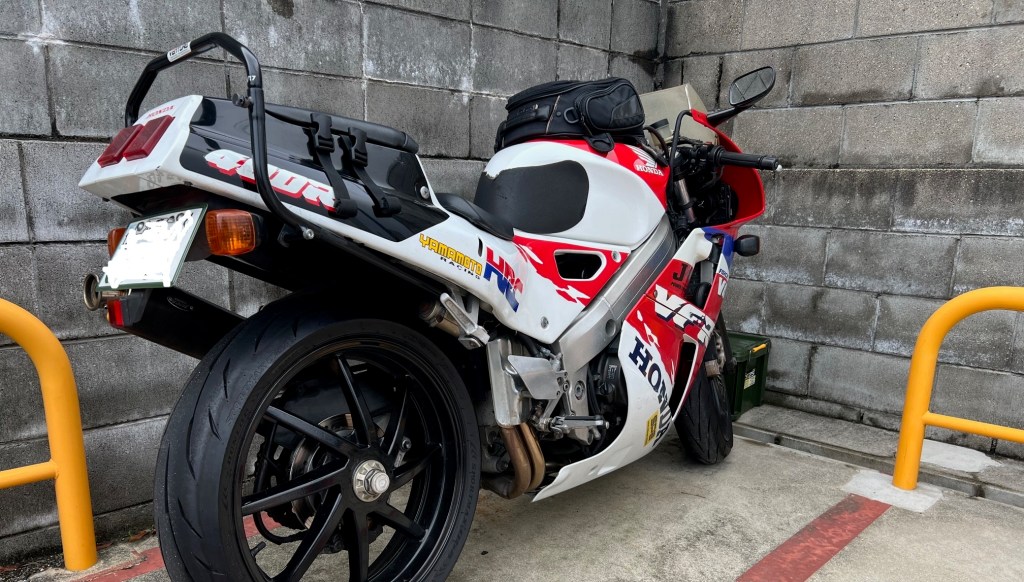
Looking out the window, the sky had begun to brighten. Breaks in the clouds appeared here and there. The roads were drying. I could see ducks swimming gracefully in Kodera Pond. After cleaning the kitchen, I read a little before heading to my tennis lesson. I greeted my faithful companion, the VFR400R (NC30), at our usual bike parking spot. She’s over 30 years old now, but still runs strong.
The indoor court had some air conditioning, but the humidity was high. Today’s theme was rushing the net after the return. It wasn’t an intense workout, but just a few reps of feeding balls left my T-shirt soaked in sweat. If it’s like this now, summer’s going to be brutal. Still, the carpet court doesn’t cause irregular bounces like an omni court does, so I could enjoy some full swings.
After the lesson, I took a cold shower in the locker room and returned home. I cracked open a chilled can of sparkling wine from the fridge while watching the news. It was a low-alcohol wine, and absolutely delicious. On the screen, there were reports of protest demonstrations erupting across the U.S. in opposition to the government’s detainment of undocumented immigrants. Meanwhile, Mr. Trump was said to be attending a military parade commemorating the 250th anniversary of the U.S. Army—and celebrating his own birthday. America feels like an entirely different country now. The mood is strange, unsettling. Internal divisions, rising tensions between Iran and Israel, chaos in global markets due to U.S. tariffs, the ongoing Russian invasion of Ukraine… I sighed at the endless flood of grim news. It hit me again that the peace I enjoy in my own life isn’t something to take for granted. And yet… I really don’t know what’s right anymore.
I threw my sweat-soaked tennis clothes into the laundry and hung them out on the balcony. The forecast said it might rain in the morning, so I’d need to bring the laundry in before bed. One small mistake—I forgot to cook rice. I quickly filled the rice cooker and set it. “Guess I’ll take a bath before dinner.” I filled the tub and soaked to ease the fatigue from tennis. Then I began preparing keema curry.
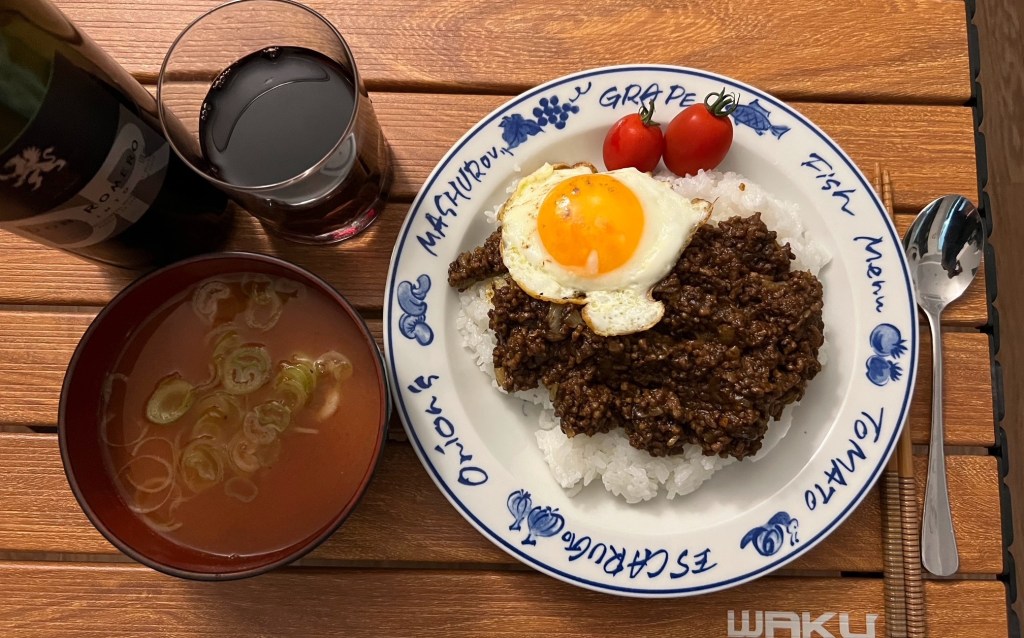
I started by sautéing finely chopped onions in a frying pan, then added minced meat. Once it was well-cooked, I poured in 70 ml of water and brought it to a boil before adding curry roux. On another burner, I fried an egg. “Almost ready… but the rice isn’t done yet.” I turned off the heat and poured myself a glass of discounted Spanish red wine. I turned on some classic jazz and relaxed for a bit until the rice was ready. I reheated the keema curry and fried egg, added some chopped white leek to a tomato soup, and enjoyed it all with the wine. “Hmm, maybe I overcooked the onions a bit.” I’d heard that chopping onions releases allicin, but cooking them transforms it into sulfide compounds, which have antioxidant and blood-cleansing effects. The red wine paired nicely with it all.
After dinner, I sipped the wine, listened to jazz, and messaged my wife on LINE. It had been a good weekend. Even alone, my heart felt full.