Canon's Diary

Action without thought is empty; thought without action is blind – Goethe

While living with schizophrenia, I move between Tokyo and Osaka. Through this journal, I hope to quietly share moments from my daily life—and memories from the journey I’ve taken with my illness.

  • Wednesday, June 12.
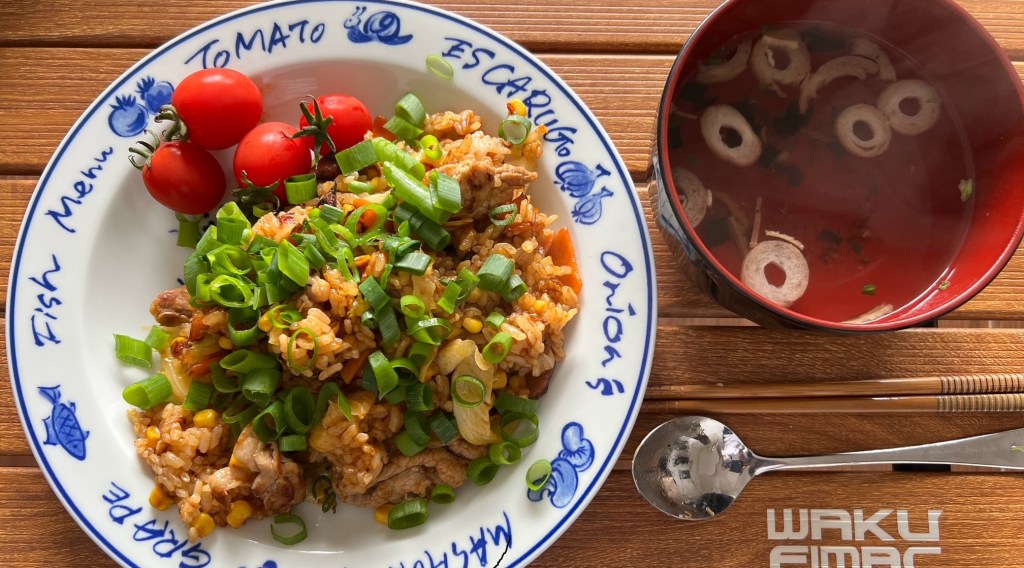
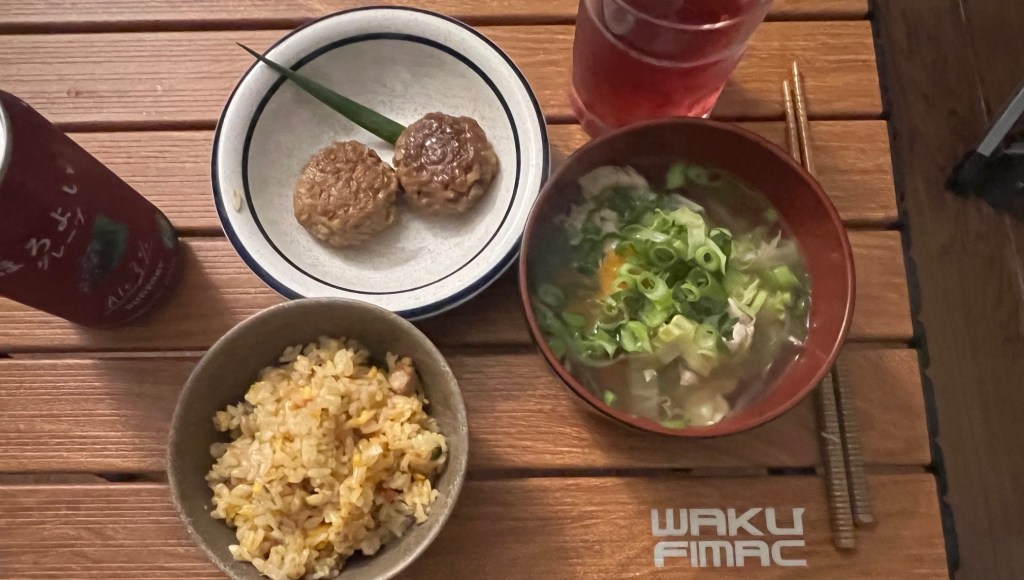
    I woke up at 6:30 this morning. When I opened the curtains, I was greeted by clear skies for the first time in a while. My smartwatch told me I’d slept for a full eight hours, and I felt refreshed. I was careful not to drink too much at last night’s dinner gathering, so I woke up without any trace of a hangover. After brushing my teeth, I took a shower. With the weather warming up, I often find myself sweating even after getting out of the shower, so I’ve made it a habit to cool my body with cold water just before stepping out. For breakfast, I had fried rice and miso soup.

    I put on my shirt and headed to work. The morning air was still pleasantly cool, but I heard that next week even Kansai will see temperatures over 30°C—full-on summer. Seasons truly are shifting.

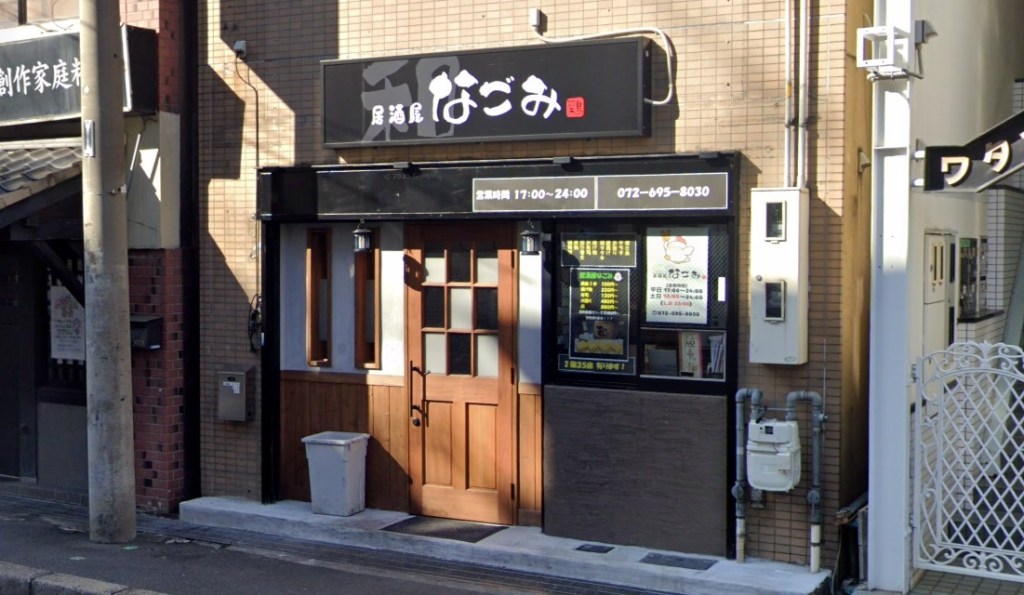
    Last night’s dinner gathering was enjoyable. We visited a brand-new Japanese-style izakaya called Nagomi, located just outside Settsu-Tonda Station. The interior was fresh and clean, with a calming color scheme based on dark brown, warm lighting typical of an izakaya, a seasoned-looking owner, and a staff that moved with efficiency and care. Highballs and lemon sours were a very reasonable 180 yen on weekdays.
    It was a small gathering of just the three members of our section, but we managed to talk about many things—our backgrounds, hobbies, past work struggles, and our hopes for the future of our newly established team. What made me especially happy was that none of us had to put on airs; we simply had relaxed, natural conversations.

    This, I’ve realized recently, is a small but meaningful change in myself. I no longer feel the need to keep my guard up around others. In the past, when I was overly conscious of my illness, I think I unintentionally built a wall between myself and the people around me, afraid of being seen as “different.” But now, I can feel that wall dissolving.

    This small shift might have a profound effect on my relationships going forward. I have that feeling—like something good is beginning.

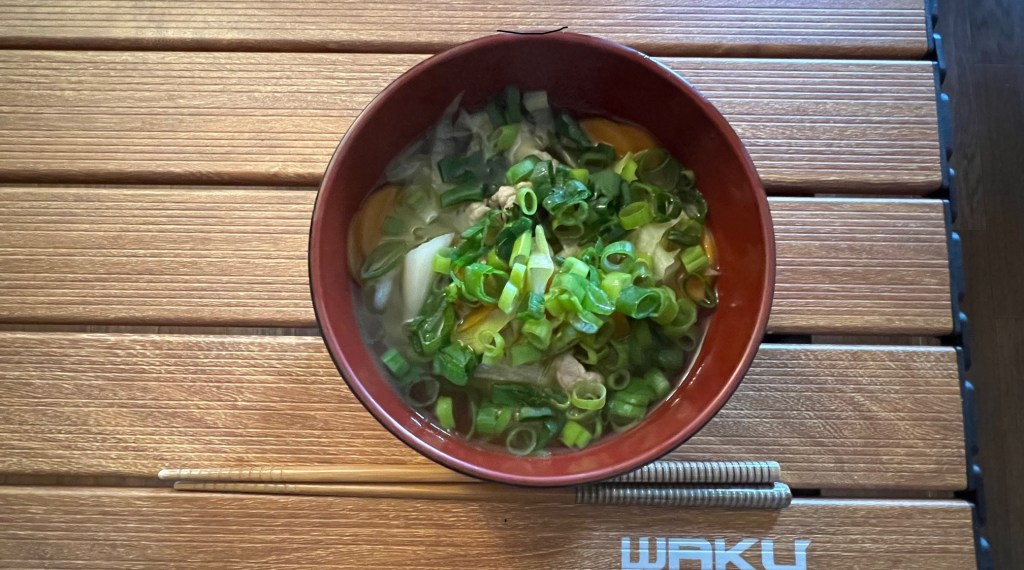
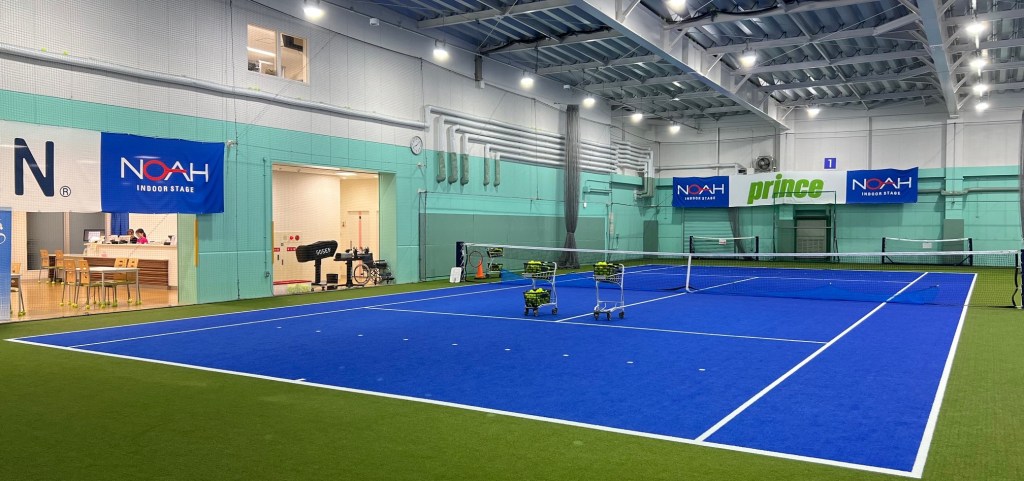
    Tonight, I have a tennis lesson. I’ve been overeating a bit lately, so to help with dieting, I’ve decided to stick to just cabbage soup for dinner on weekdays.

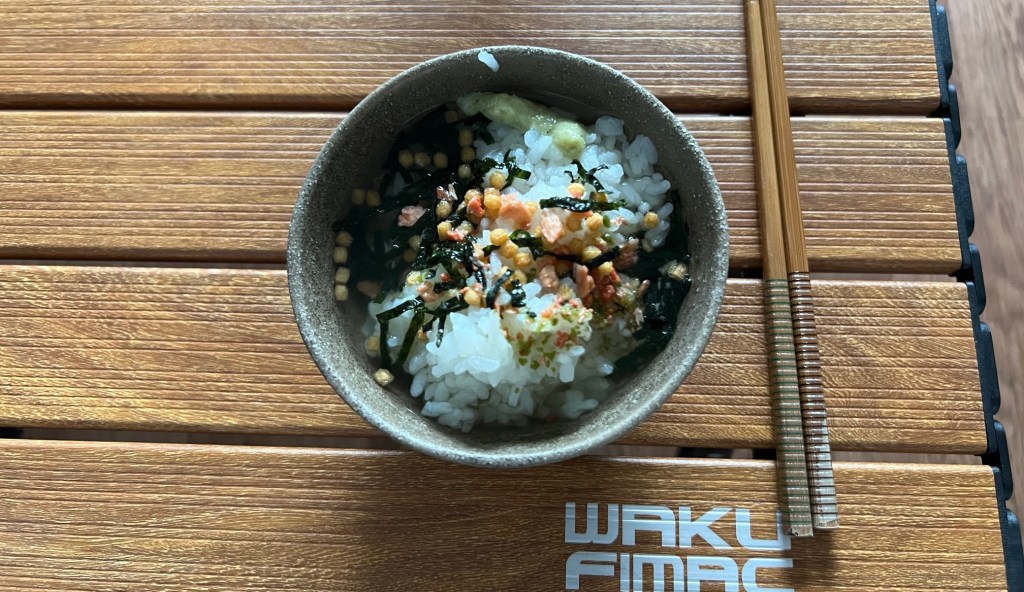
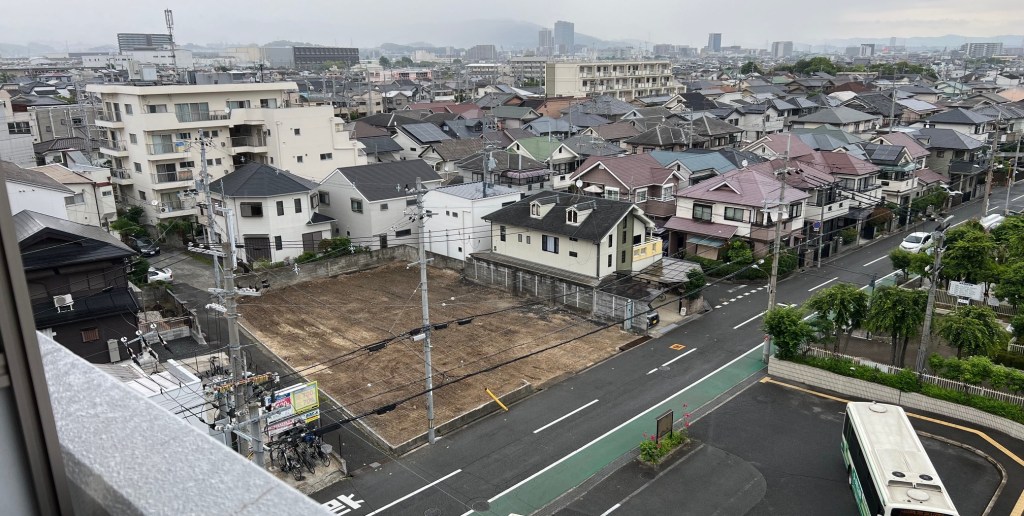
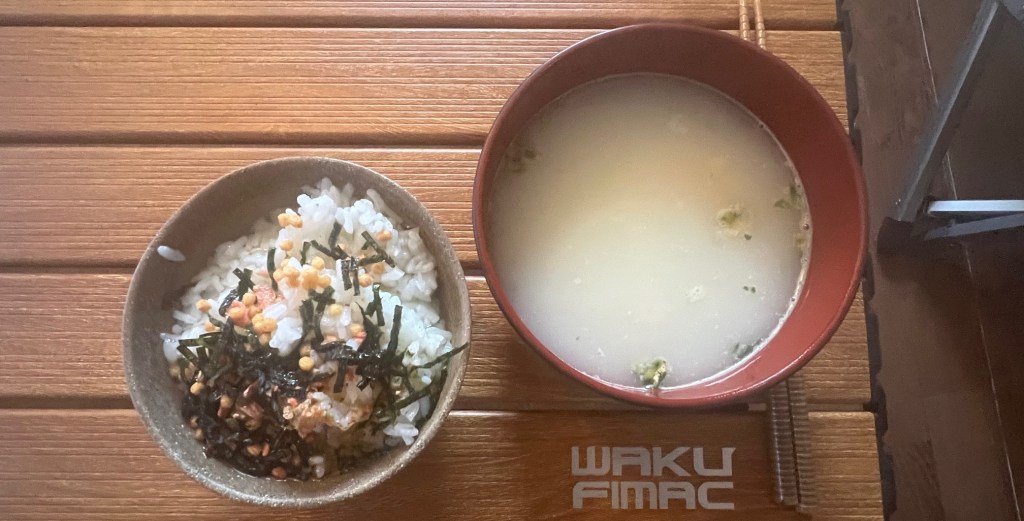
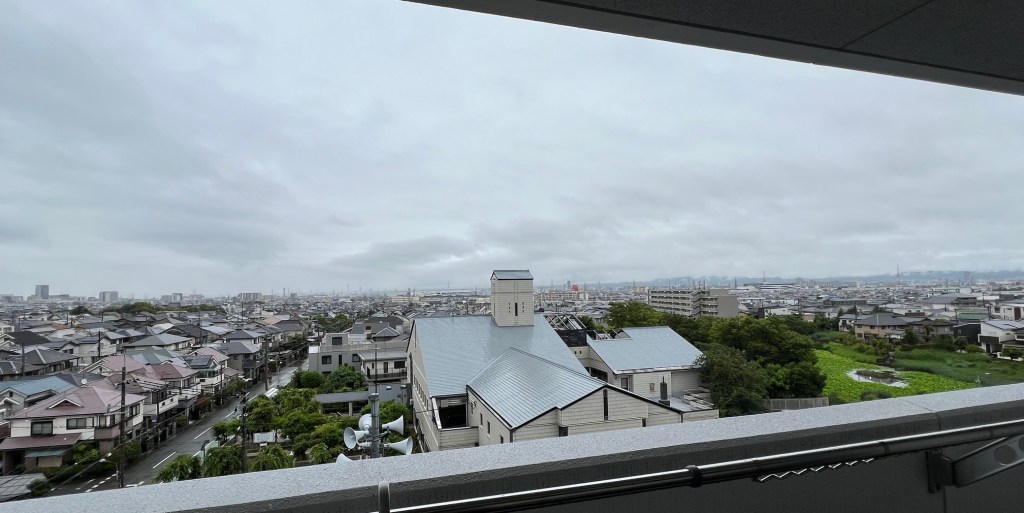
  • Wednesday, June 11th. I wake up at 6 a.m. The sky is overcast, and everything feels dim. Looking down from the window, I see people with umbrellas—it must be raining. I wash my face with cold water and brush my teeth. For breakfast, I have salmon chazuke.

    I turn on the TV and watch the news. I brew some coffee and pour it into a thermos. It seems my morning routine has become quite automatic. Now, my body moves naturally, almost without thinking.

    I had planned to return to Tokyo around the middle of next week, but my work hasn’t wrapped up neatly, so it looks like it’ll be pushed back a little. I told my wife about it on Line last night. She replied, “Got it. Sounds like work is keeping you busy.” The truth is, I’m not particularly busy. I’m just having trouble coordinating meetings and business trips in a way that would allow me time to return to Tokyo. I suppose that’s just how it is.

    Originally, I was allowed to split my time between Tokyo and Osaka to support my father’s care. Now that he has passed, the company likely expects me to spend more time in Osaka. Even so, administrative matters remain—handling the inheritance from my father to my mother, and checking the revised family registry. I’ll have no choice but to go back at the end of the month. Fortunately, my supervisor has already approved it.

    I have no complaints about my workplace or my colleagues. The technical level is high, and we have a solid cooperative relationship.

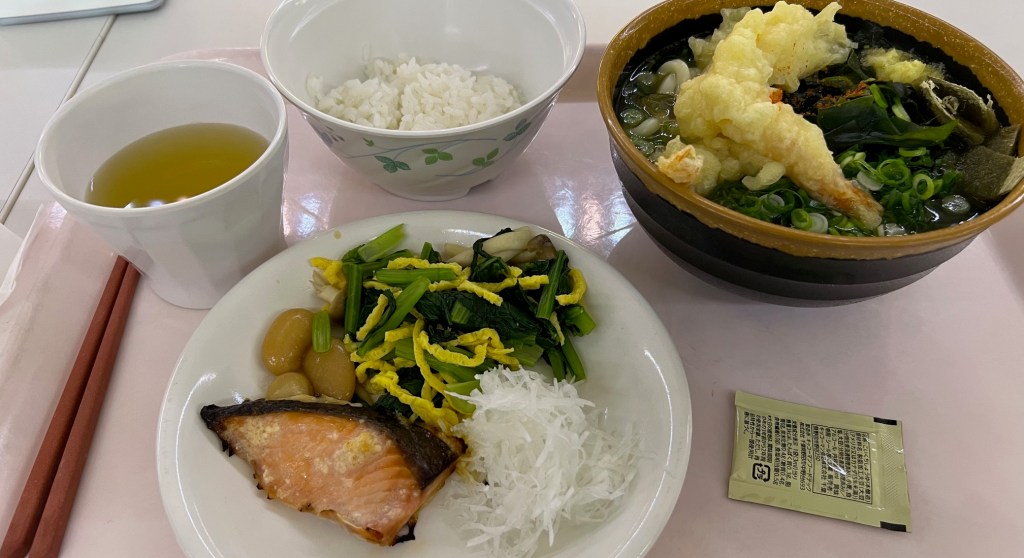
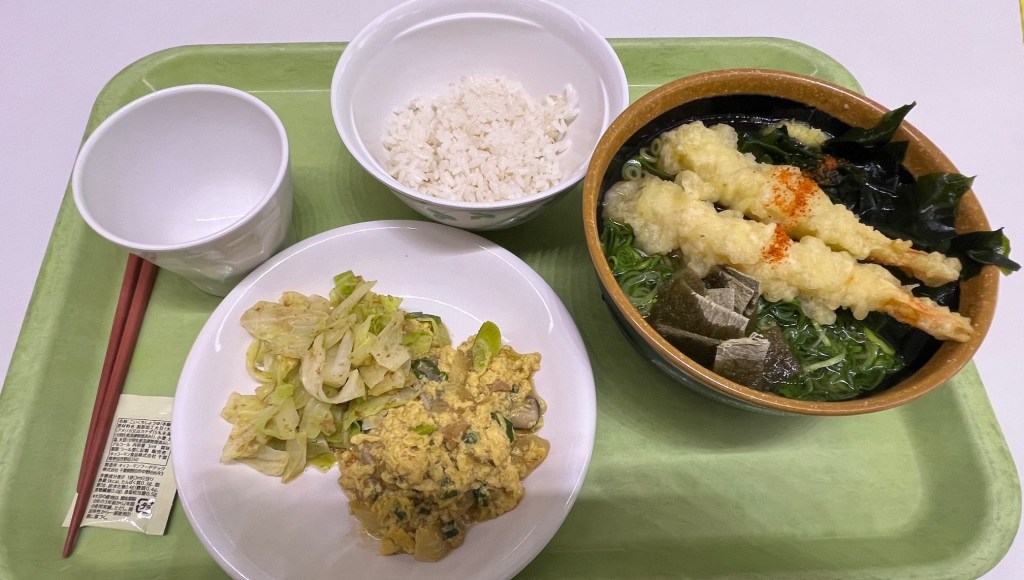
    For lunch, I had tempura udon, which is unusual for me. According to ChatGPT, udon has fewer calories than soba. On the other hand, soba seems to have better nutritional balance. Tonight, we have a dinner gathering for our newly established department, the Project Management Section.

    Sorry, but I’ll leave it at that for today.

  • Tuesday, June 10. I woke up around 5:30 a.m. When I opened the curtains, I saw that it was raining. It seems that the Kinki region officially entered the rainy season yesterday. In Kyushu, there has been heavy rain, and warnings have been issued for potential landslides.
    “Why do I keep waking up so early?”
    I washed my face and brushed my teeth. For breakfast, I had a bowl of rice with raw egg and a cup of tomato soup. When I turned on the TV, the news was still showing the clash between authorities and demonstrators over illegal immigration detentions in Los Angeles. President Trump apparently intends to deploy the Marine Corps.
    “He’s always so forceful.”
    Since I live in a condo, I keep the TV volume low. That means I sometimes miss parts of the broadcast, but I don’t mind too much. Turning on the TV in the morning has become part of my daily routine, though I only half-listen to what’s being said.

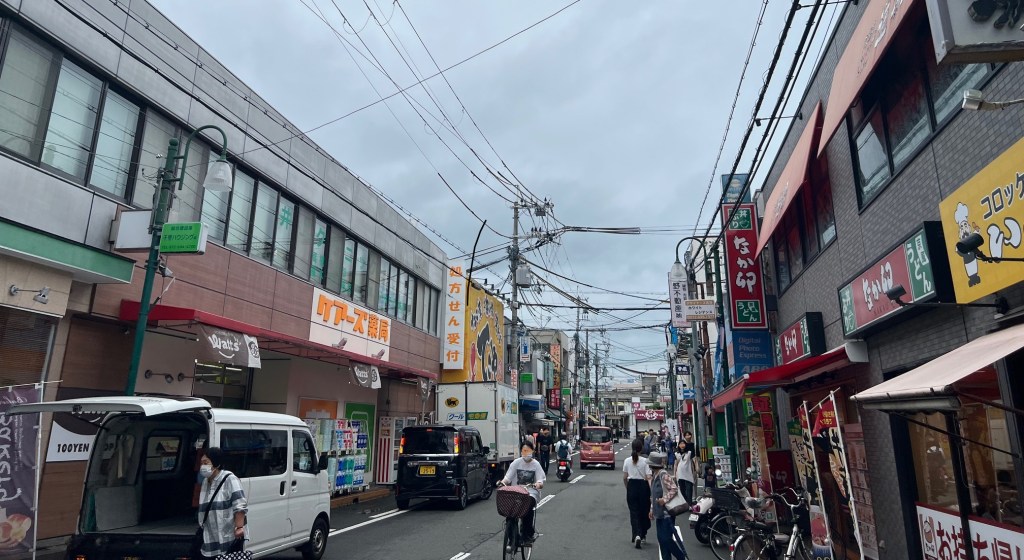
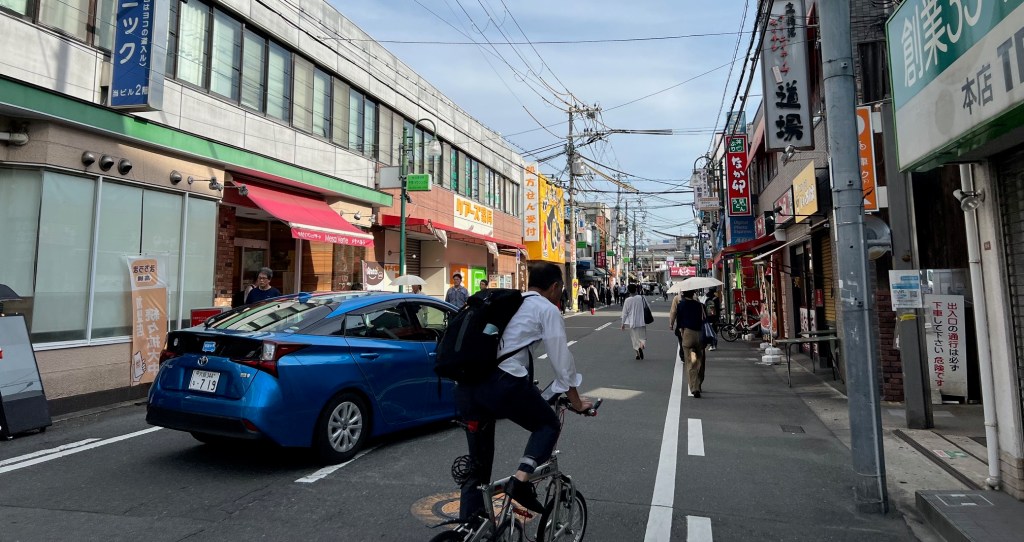
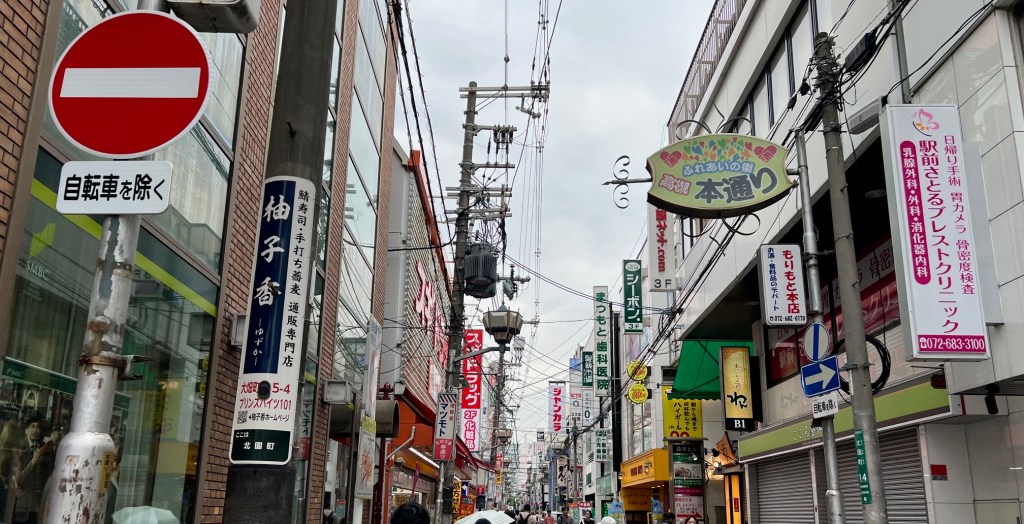
    I left home earlier than usual. It was a burnable garbage day, so I took out the trash bag and dropped it off at the collection point. Leaving just fifteen minutes earlier made the streets noticeably less crowded. The shopping arcade was quiet this morning. I could hear the sound of raindrops hitting my umbrella. Though it was raining, the temperature was relatively warm, and the air felt humid.

    At the office, I carried out tasks like distributing the technical documents I had prepared. While I was getting ready to contact a parts supplier about some specifications, my phone notified me of a news alert from Yahoo—apparently, the Kanto-Koshin and Hokuriku regions also entered the rainy season today.
    “So, it’s basically the whole country now.”
    The sky outside was overcast, and the office lit by fluorescent lights still felt a bit dim. During the lunch break, when the lights were turned off, the floor grew even darker, shifting into rest mode. After finishing lunch, I sat in the dim room and reflected a bit on the past.

    Before I encountered Adlerian psychology, I used to interpret everything through the lens of causality.
    “I ended up with a mental illness because my parents forced religion on me.”
    “I was scared of interacting with people because my uncle hit me and my drunk grandfather shouted at me when I was a kid.”
    “Prayer doesn’t help. It doesn’t solve anything.”
    I often said such things and caused my parents a lot of grief.
    But when I began to think in terms of teleology—the idea of purpose rather than cause—I realized that all those things stemmed from my own sense of helplessness. The suffocating emotions, the memories of crying alone in a dark room, came from a self-centered desire to blame something or someone. In essence, I wanted my parents’ attention by voicing these grievances. I thought, “There must be a reason why my heart hurts this much.”

    But now I believe the most accurate explanation is that schizophrenia is largely genetic, a predisposition I was simply born with. I’ve come to know that there are many second-generation religious individuals who have suffered emotionally because of it.
    Someone with a more severe disability than mine once gave me this advice:
    “Religion simply didn’t heal my illness, so I let it go. But I don’t hold any hostility toward religion itself. Mental illness and religion should be considered separately.”
    It meant a great deal to me to receive such wisdom from someone who has endured even harsher circumstances than my own.

    The afternoon passed by in a bit of a rush. Over the next two weeks, I’ll likely need to prepare another batch of documents. When the workday ended, I left the office and stopped by the store to buy pork, cabbage, and carrots. The supermarket near my office is much cheaper than the one near my home. It seems more efficient to do most of my shopping on the way back from work.

    Tonight’s dinner was cabbage soup, fried rice, and some frozen mini hamburg steaks. The cabbage soup this time was Japanese-style, seasoned with noodle broth and bonito stock. Adding grated ginger gave it a wonderfully tasty finish.
    That said, cooking for myself tends to lead to high-calorie meals. Maybe I’ll reserve real cooking for the weekends and keep weekday dinners simple—just some cabbage soup I’ve made in advance might be enough.

  • June 9th. Last night, I fell asleep in my chair until around 2 a.m.
    In a rush, I brushed my teeth, set my alarm, and went back to bed.
    However, I had set the wrong time and woke up at 5:30 a.m.
    I reset it for 6:30, but ended up half-awake, with a somewhat unpleasant feeling lingering.
    The sky was clear.
    I washed my face and had my usual breakfast.
    I packed the rice I had cooked yesterday into a container and put it in the fridge.
    Around 7:30, I left for work.
    “It’s a bit hot,” I thought.
    The air was already warm enough to make me sweat.
    Maybe it’s time to go without a jacket.

    At my desk at work, I powered up my PC and opened my email to make sure there were no urgent tasks.
    I opened the lid of my coffee pot and was greeted by a familiar, comforting aroma.
    I began my usual work routine.
    Nearby, someone was participating in a web meeting; I could hear their voice through the mic, the sound of fingers typing, and the gentle whoosh of the air conditioner.
    Maybe because my sleep had been shallow, I felt a little foggy-headed, but gradually returned to my normal self as I got into the work.

    At lunchtime, I headed to the cafeteria.
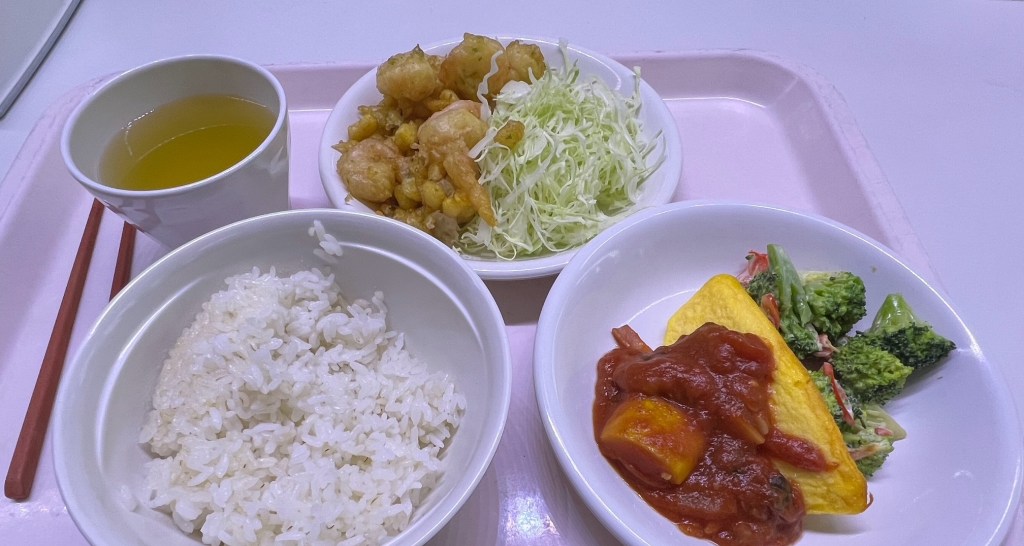
    After some indecision, I chose fried shrimp fritters, an Italian-style omelet, and a broccoli salad.
    It had been a while since I’d had something deep-fried.
    The corn kernels were also fried—surprisingly delicious.

    Work settled down, and during my lunch break, I opened my phone and came across some disturbing news.
    In Los Angeles, the National Guard had been deployed to crack down on undocumented immigrants, and clashes were occurring between authorities and protestors.
    About 300 troops had been stationed there.
    The footage showed tear gas being fired, people being detained—it was clear that large-scale chaos had erupted.
    Harsh sentiments toward illegal immigration are rising in European countries as well.
    “It feels like the world is moving in a direction that runs counter to globalization,” I thought.
    Even in Japan, due to issues like foreign tourists violating local manners, the government is announcing new policies.
    Countries everywhere seem to be growing a bit more sensitive about accepting foreigners.
    Still, when people from other countries act rudely, it doesn’t just reflect poorly on the individual—it can affect how the entire country is perceived.
    Japan once had a saying, “Traveling allows you to discard your shame,” but that’s just a convenient excuse for irresponsible behavior.
    Wherever you are, I believe we should act with dignity and responsibility as members of society.

    Trump’s “America First” stance seems to have rippled across the globe, with many countries now prioritizing their own interests.
    But perhaps it’s the very existence of borders and separate governments that makes us constantly watch and guard against each other.
    When you talk to someone from another country, especially on a personal level, you often find how easy it is to connect.
    Will there ever come a day when we can see the world as one united nation?
    Hmm, maybe not.
    The web of global interests is far too entangled, like a knot that can’t easily be undone.
    It feels like that delicate balance is on the verge of collapsing.
    Somehow, I can’t shake the feeling that something tremendous may happen within the next four or five years.

    By the time I was heading home, the sky had turned cloudy, and a light rain had begun to fall.
    I stopped by the supermarket and picked up a frozen hamburger patty, then went home.
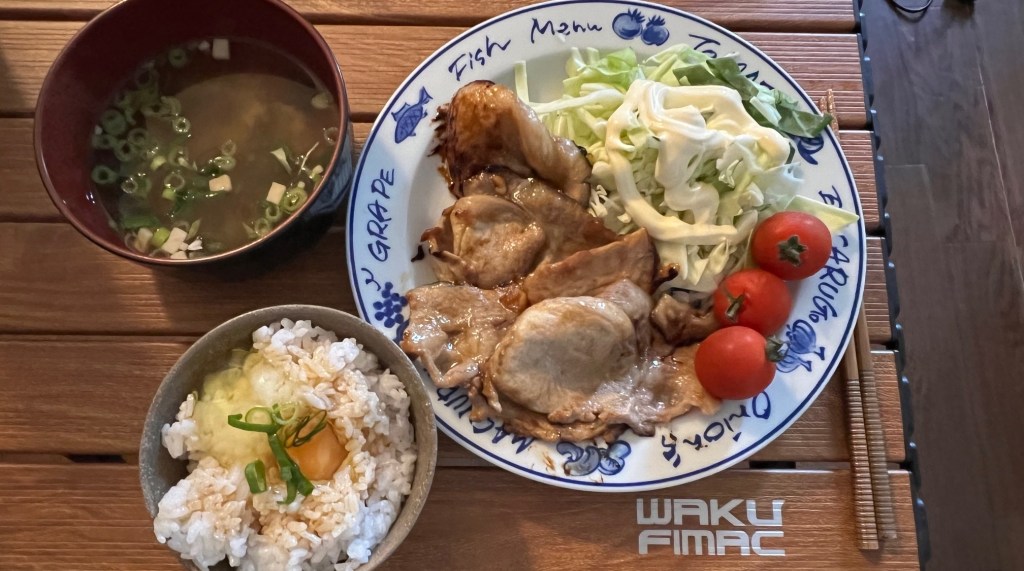
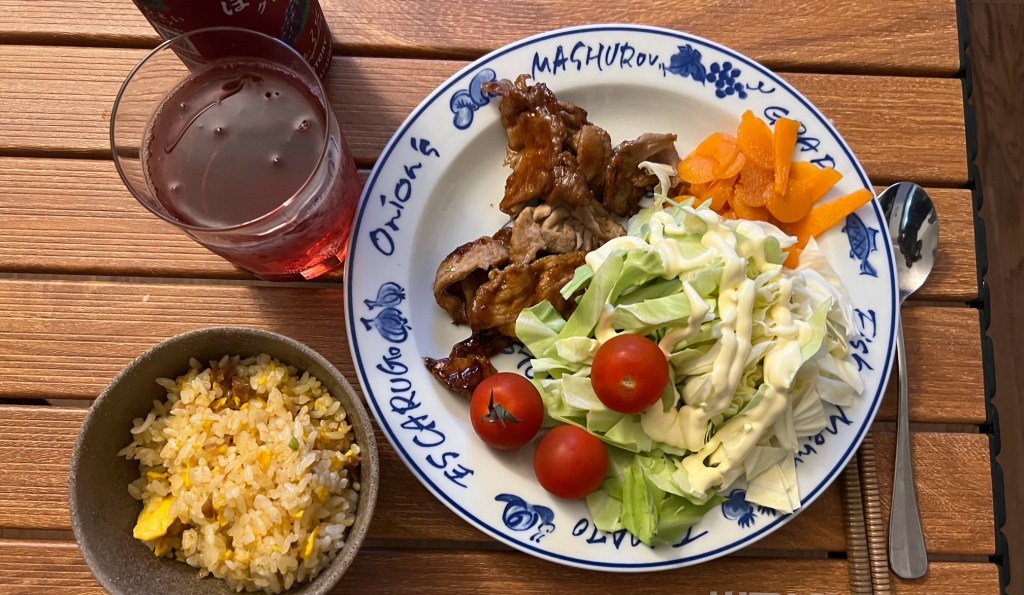
    For dinner, I stir-fried some leftover pork and flavored it with ginger sauce that had been sitting unused in the fridge.
    “Hmm, the ginger flavor isn’t that strong. The mirin doesn’t come through much either.”
    Honestly, the sauce I made myself before tasted better.
    Ginger pork can be pricey, so maybe next time I’ll just use regular pork belly, season it like ginger pork, and grill it like barbecue.
    That could work just as well.
    There were some leftover carrots, so I boiled them with a bit of salt.
    By the way, how exactly do you shred cabbage properly?
    Maybe I’ll look it up online.

  • Exhausted from last night’s tennis lesson, I slept soundly until 9:30.
    Being Sunday, the nearby construction site was quiet. It was a peaceful morning.
    I opened the curtains—it was cloudy but not as humid as yesterday.
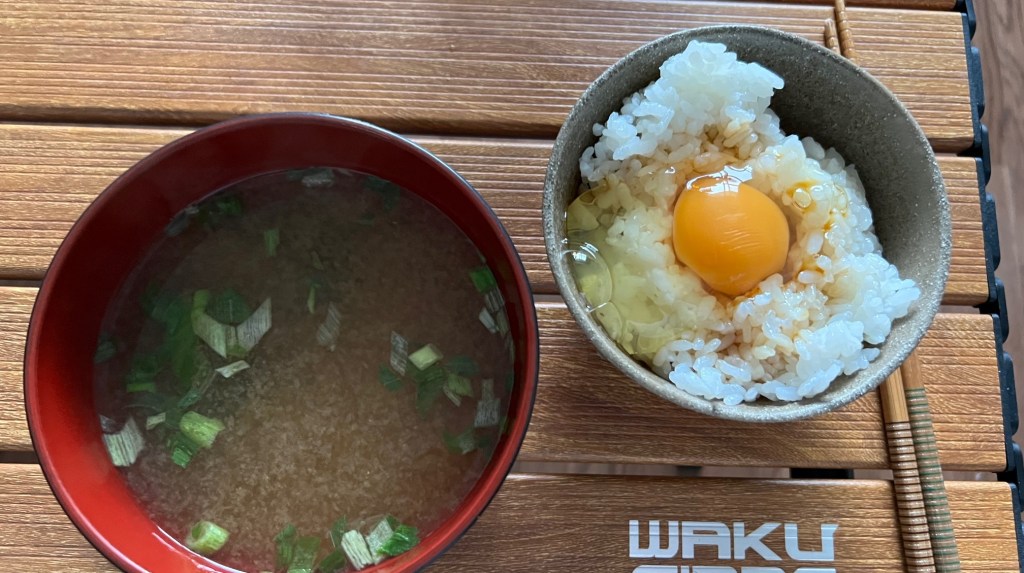
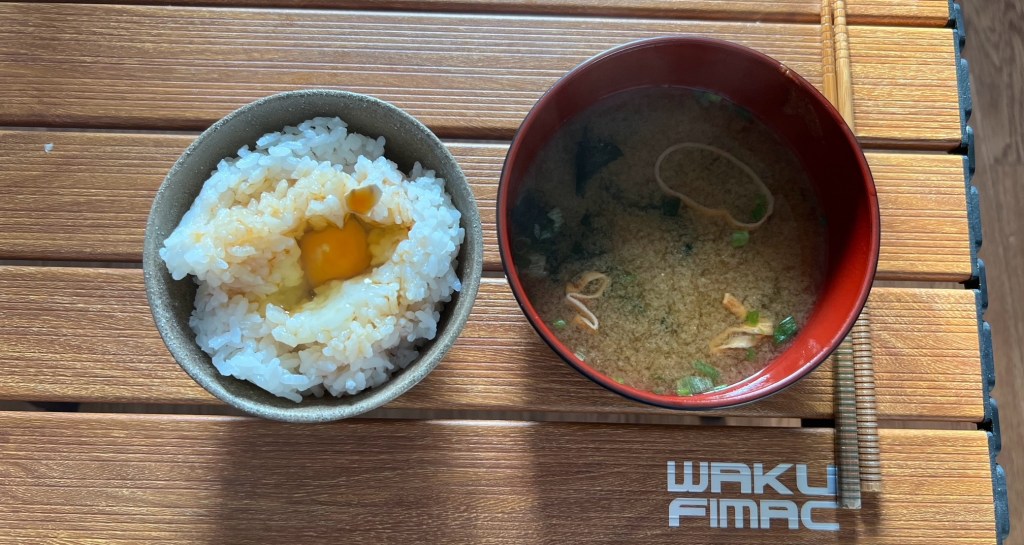
    I washed my face with cold water, brushed my teeth, and had a simple breakfast of rice with raw egg and instant miso soup.

    “Now then, what shall I do today?”

    First, I decided to put my futon out on the balcony to air.
    There’s nothing quite like sleeping in a sun-dried futon.
    Then I vacuumed the room.
    Later this month, I’ll be returning to Tokyo for remote work and to handle inheritance paperwork from my father to my mother.
    So I rescheduled my Osaka tennis lesson to this afternoon at 2 PM.
    It’ll be three straight days of lessons, but my body seems to be adjusting well—no real fatigue.My schizophrenia symptoms remain stable, and with medication, I can now go about my daily life with little to no difficulty.

    “Laundry can wait until after the lesson. Oh, and I should wash the bath towels too.”

    With that in mind, I headed to the supermarket to buy cabbage and pork.
    I was planning to make my usual soba for lunch.
    I also bought two bottles of sports drinks for tennis—about 110 yen each for 500ml.

    “A bit pricey… Maybe next time I’ll switch to powdered mix.”

    I used to watch my wife carefully budgeting during her shopping trips.
    Back then, I’d think, “Do you really think I earn so little?”
    Now that I cook and shop myself, I find I want to save just as much. Funny how that works.

    Back home, I started preparing lunch, only to realize there was some rice left over.

    “Hmm, maybe I’ll skip the soba and use this for a rice porridge instead.”

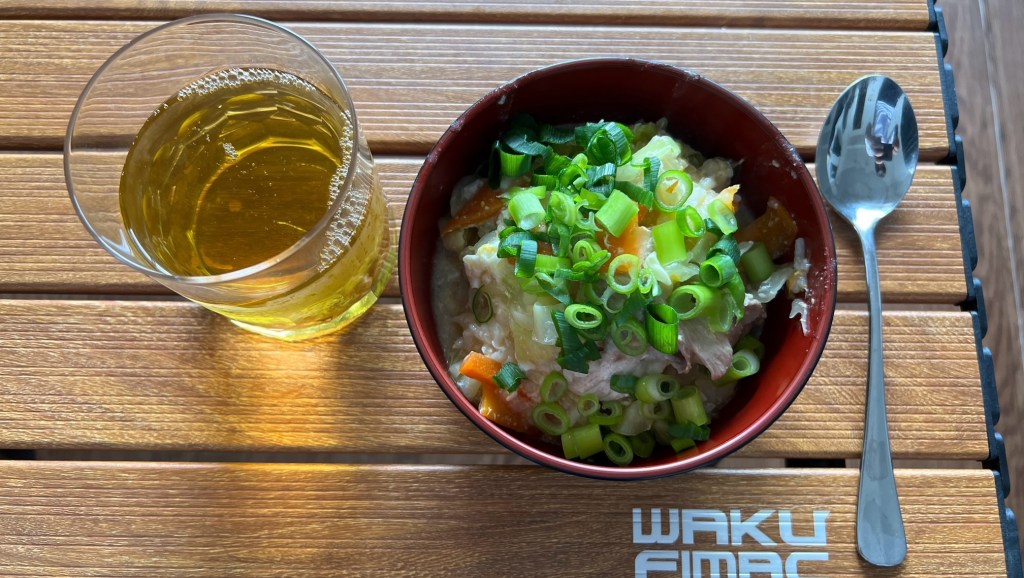
    So I changed plans and made egg porridge.
    I boiled water in a pot, added thinly sliced carrots, pork, and cabbage, and cooked until the carrots softened.
    Then I added some soba broth and bonito stock.
    Once done, I stirred in half a bowl of rice and dropped in a raw egg to mix in at the end.
    I sprinkled chopped scallions on top before serving.
    The sweetness of the carrots and richness of the cabbage really came through.
    It was filling despite using only a small amount of rice, and the nutrition balance was great.

    “Still, maybe the flavor’s a bit weak. It needs a kick.”

    So I added a bit of sesame oil and salt. Better—but still room for improvement.

    Let me describe my room a bit.
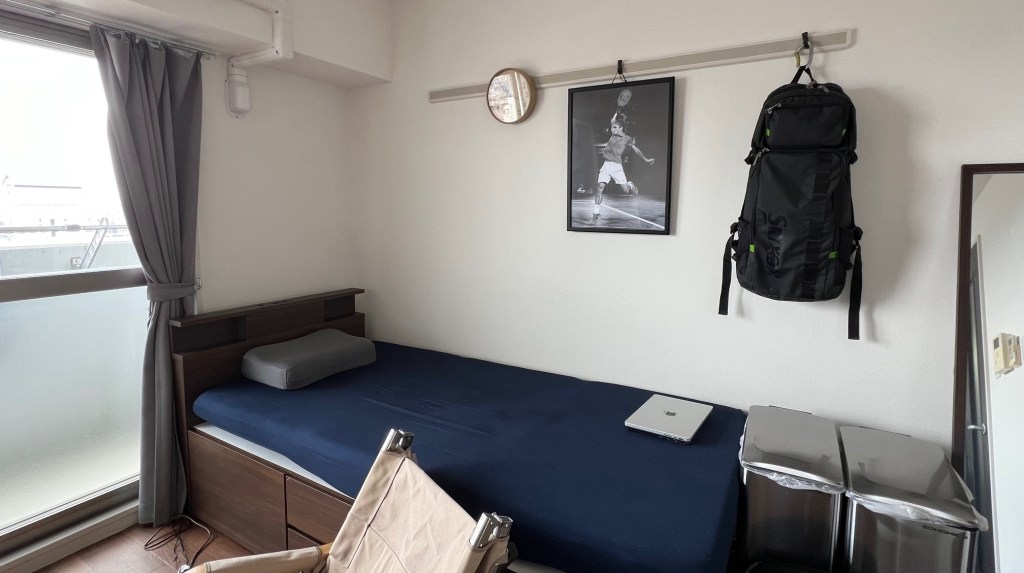
    The living space is about 7.2 tatami mats, or roughly 12 square meters.
    I chose a bed with lots of storage underneath due to the limited space.
    Most of my clothes, except jackets, fit there.

    Above the bed hang a wall clock, my racket bag, and a monochrome poster of my hero, Roger Federer.
    His backhand finish has deeply influenced my own tennis form.
    My room doesn’t have any fluorescent lights—just a single lamp with a warm orange glow. I prefer to feel calm at night, so I’m not fond of the brightness of fluorescent lighting.

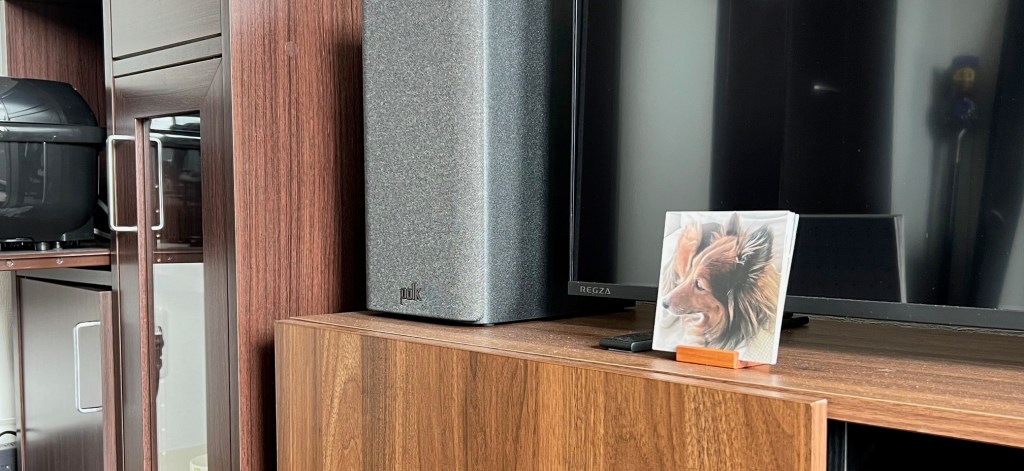
    The TV is a surprisingly large 55 inches for such a small room—I got a good deal from an appliance store clerk.
    I’ve connected a 150W Marantz integrated amp to Polk speakers.
    As a former audio manufacturer employee, I couldn’t help but care about the sound.
    I often listen to classic jazz at night. Chet Baker and Louis Armstrong are favorites.
    His rendition of “April in Paris” always touches my heart.
    My table and chairs are camping gear I bought on Amazon—easy to fold and carry when I eventually move out.
    For now, they work just fine.
    Beside the TV is a photo of Canon, my beloved Sheltie who passed away last February.
    I rotate the photo depending on my mood—there are many to choose from.

    Now it’s time to head out for tennis.
    I took in the futon, changed clothes, and rode my bike to the court.
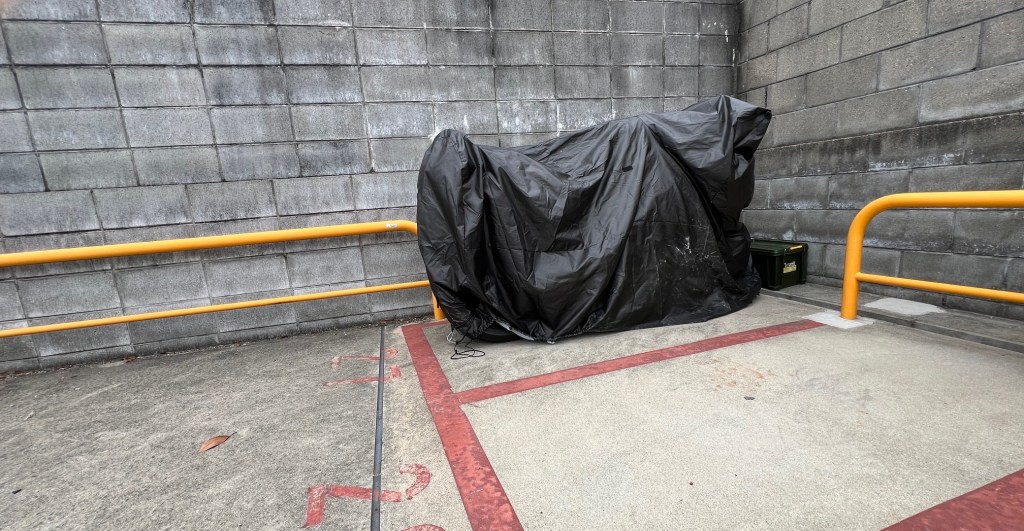
    The bike is parked at a nearby rented lot.
    Back in Naruse, it stayed indoors, but here it’s exposed to the weather, so I cover it.
    Removing the cover every time seemed annoying at first, but I’ve gotten used to it.

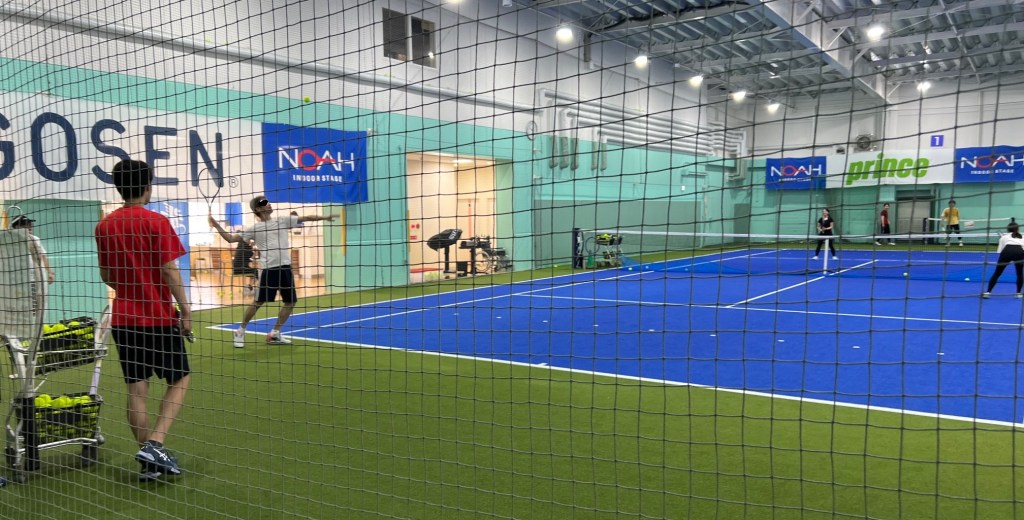
    At the tennis school, I changed into shoes for carpet courts and took the lesson.
    On the third consecutive day, my body felt light, and my strokes were consistent.
    When I ask, the coach gives excellent advice.
    He said that since my forehand tends to launch high with lots of spin, I should slightly tilt the racket face down at impact.
    “Ah, that makes sense. I’ll try adjusting next time.”

    After the lesson, I showered with cool water to ease muscle inflammation.
    The ride home takes more caution—if my leg cramps while riding, it could be dangerous, so I keep my speed down.

    Once home, I started laundry and cooked two cups of rice.
    I enjoyed it with a lightly alcoholic white sparkling wine.
    There’s nothing quite like a chilled drink after exercise.

    It was only 5:30 PM, but I had dinner early.
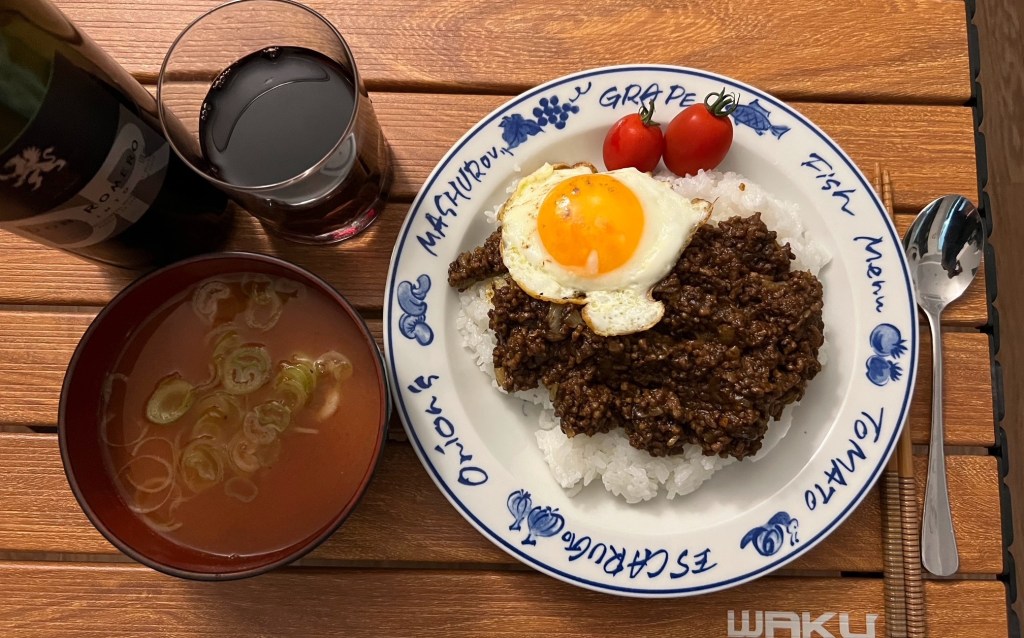
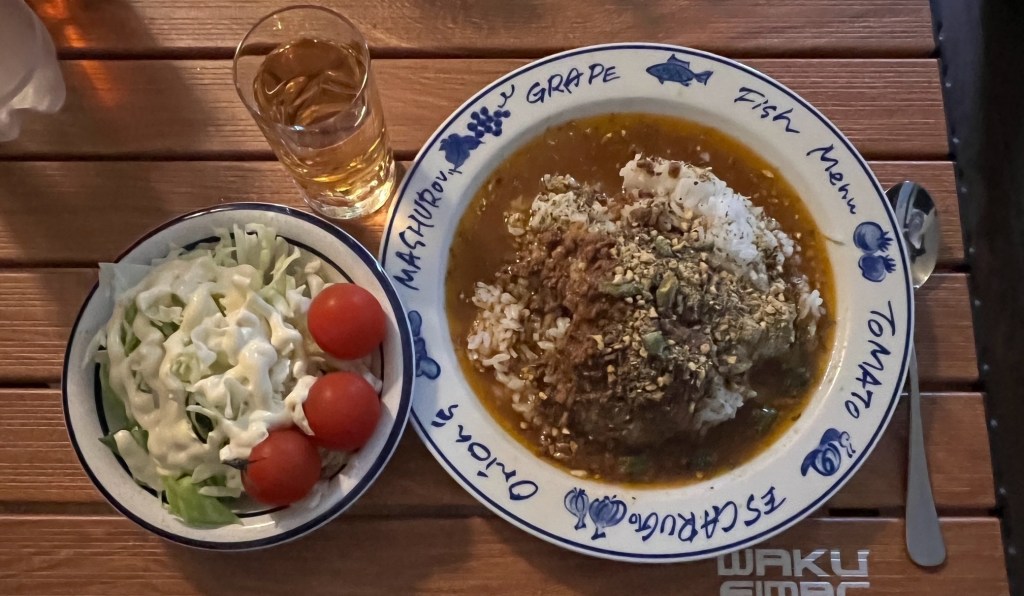
    Tonight’s meal was “Osaka-style spicy keema curry.”
    No, I didn’t make it myself—it was instant, just heated in hot water.
    But it had plenty of spices and was quite enjoyable. A flavor I hadn’t had in a while.
    I sipped some scotch with soda in a small glass to avoid overdrinking.

    I truly enjoyed this weekend. It had just the right touch of spice. It’s small moments of fulfillment like these that keep me going. Life feels peaceful now.

    Back when I was struggling with schizophrenia, I never imagined a day like this would come.

    To those living with the same condition, I want to say this: each person experiences it differently. In my case, it took more than 30 years. I know how painful it can be. I could never simply say, “Just hang in there.”

    But I do believe this — the day will come when you can live an ordinary life again. So please, walk through it together with your doctor.

    From the bottom of my heart, I hope that as many people as possible will one day find stability and peace in their lives.

    Now, it’s time for me to sleep and get ready for the week ahead. I hear there’s a dinner gathering for my department on Wednesday. Looks like tennis on Tuesday and Thursday might have to wait.

  • Saturday, June 7. I woke up at 8 a.m. to the clattering sound of a power shovel loading debris onto a truck and the grinding noise of someone shaving down a concrete wall with what seemed like a grinder, rebar and all. Not the most pleasant way to wake up. I was still tired from yesterday’s lesson and wanted to sleep a bit more, but the noise from nearby construction forced me out of bed.

    I was starving but didn’t feel like cooking, so I went to the convenience store and got a rice ball, a pasta salad, and a bottle of green tea. About 600 kcal in total. Not bad for calorie and nutritional balance. It’s certainly convenient, but I can’t shake the feeling that I’m losing something essential. Like I’m neglecting the dignity of eating… or maybe not. Still, it’s not cost-effective. Probably better not to rely on convenience store meals too much.

    Unable to sit still because of the noise outside, I started doing laundry and cleaning. I also needed to buy pork and rice from the supermarket. I had some cabbage and carrots left, so I thought about making soba for lunch—but I just had soba yesterday. Let’s go with ramen today.

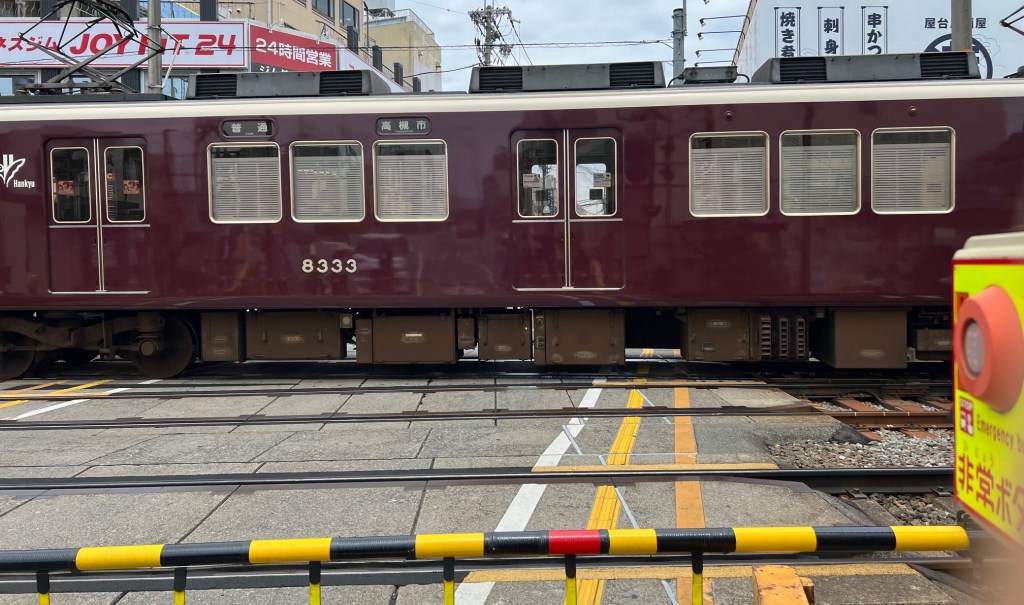
    I headed out to the supermarket. I wonder how many times I’ve crossed this railroad crossing. Once, I used to see crossings as symbolic milestones in life, something almost sacred. But when you cross them this often, that special feeling wears off.

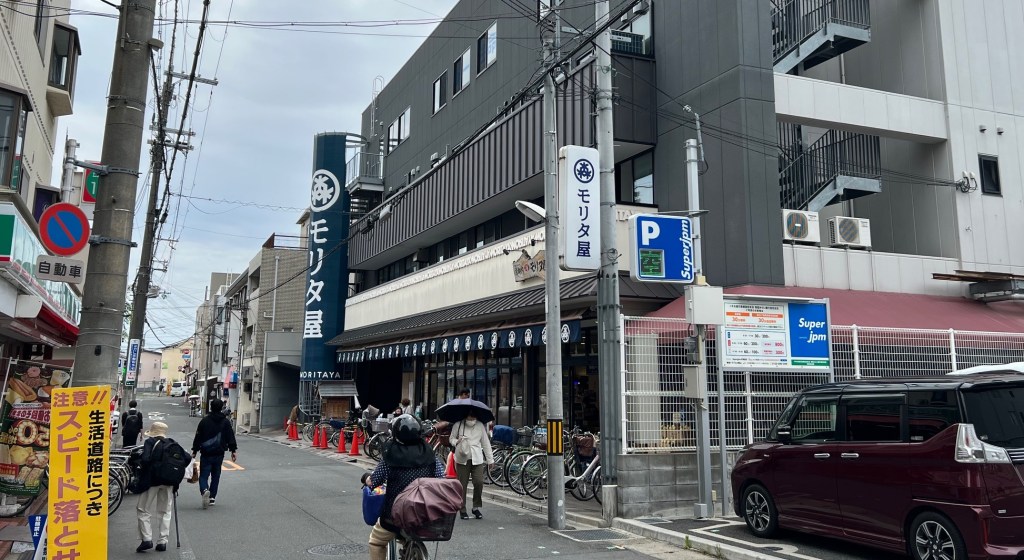
    The supermarket sits quietly down a small alley just past the tracks and a right turn. It’s a bit small. Rice was still expensive, as always. But I needed it, so I reluctantly bought a 5kg bag. “How am I even supposed to store all this?” I grumbled. I picked pork slices for ginger pork. Also grabbed mirin and sugar. Back home, I started prepping ramen.

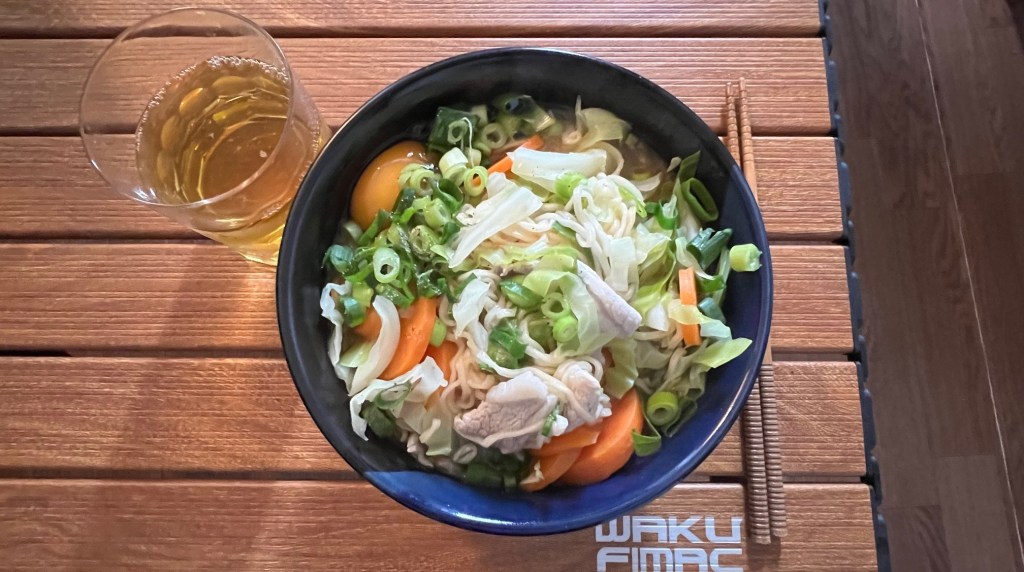
    Boiled water, tossed in the carrots first since they take the longest to cook, then added chopped cabbage. After about 5 minutes, once the carrots softened, I threw in the dried noodles and pork. Boiled for another 3 minutes, checked the noodle texture, mixed in the soup base, and finished with a raw egg and chopped green onions on top. So simple. Seems like I tend to rely on cabbage, carrots, pork, and green onions. But hey, I’m still a beginner at cooking. Maybe this is just my style for now. I’ll probably be living alone for a while longer, so I’ll gradually try more things.

    During lunch, the outside suddenly went quiet. Looks like the construction workers were on their break too. My ears felt relief in the silence. But that peace didn’t last long. They resumed work after lunch, and my room was once again engulfed in thunderous noise. I couldn’t stand it anymore and decided to go out. “Yeah, let’s go to Takatsuki today.” I also needed more shirts for work and some kind of container for all the growing number of condiments.

    I changed into jeans, threw on a jacket, and went out. Takatsuki Station is the next stop after Tonda on both the Hankyu and JR lines. My destination was the Hankyu Department Store, which is closer to JR Takatsuki Station, but I chose to take the Hankyu line to Takatsuki-shi Station and walk to JR Takatsuki instead. The sky was overcast, but it was humid. I soon took off my jacket and walked in just a white T-shirt. The rising temperature hinted at the beginning of the rainy season.

    On a Saturday afternoon, the Hankyu line is flooded with express trains. I think I waited about 10 minutes for a local train. After getting off at Hankyu Takatsuki-shi Station, I exited from the north gate and headed toward Takatsuki Station, passing through the downtown shopping streets. I’d visited this area even before moving here, and it still felt like a place packed with izakayas, restaurants, and drugstores. Quite a few karaoke joints too—not that it matters to me since I’m terrible at singing.

    I arrived at Takatsuki Station, rode the escalator up to the north side, which is livelier with large stores and department buildings. I went into the Hankyu Department Store and bought two work shirts at UNIQLO. On the way back, I dropped by Loft and ABC Mart but didn’t find anything in particular, so I returned home via the JR Kyoto Line and Settsu-Tonda Station. All in all, it was a nice walk. My step counter logged about 4,000 steps.

    For dinner, I planned to make ginger pork. Started with the sauce—soy sauce, mirin, sake, sugar, and a bit of grated ginger. Tasted it. Then I cut the pork into manageable pieces and fried it in a pan with olive oil. Once it was cooked through, I added the sauce and coated the meat. Served it with shredded cabbage and tomato. The flavor was decent. The tang of the ginger paired nicely with the mellow sweetness of the sugar.Adding a bit of flour might have been a good idea too.Still, I noticed that the pork slices labeled “for ginger pork” these days come with a ready-made sauce. That would’ve made it easier. Not sure why I didn’t use it. Maybe I’ll try it next time.

    Tonight, I’m heading out for tennis lessons again. I’ve been keeping up a steady workout routine, and my body feels good. If I can just sharpen my technique a bit more, that’d be even better.

  • Friday, June 6th.
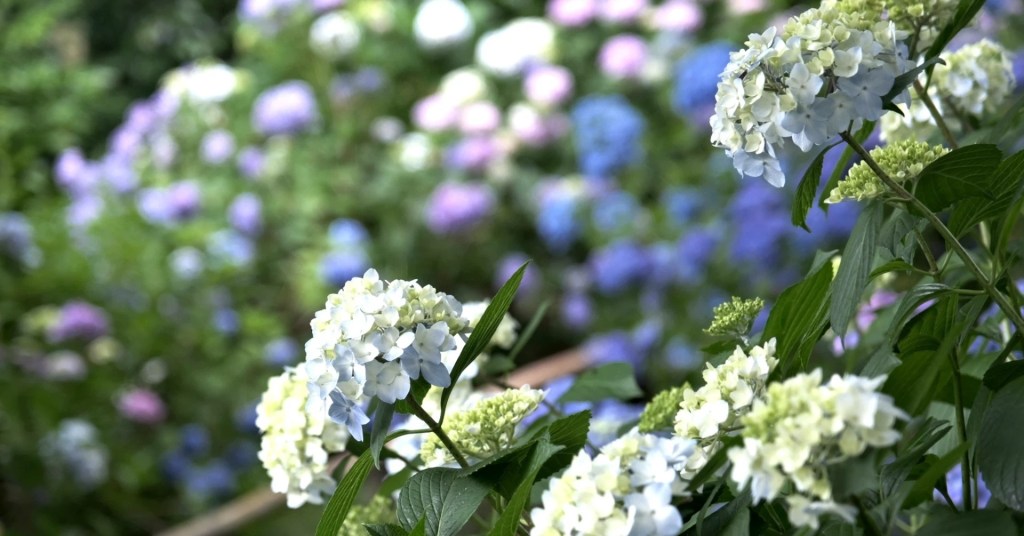
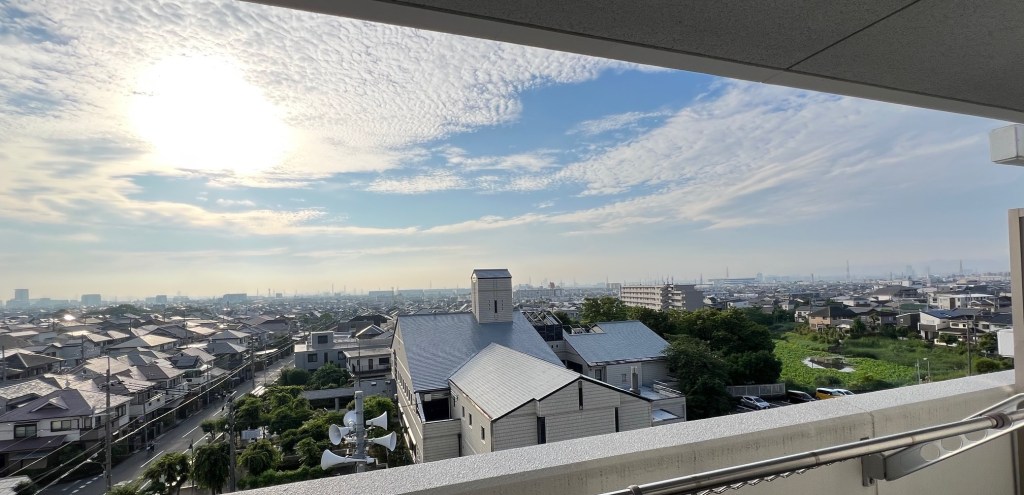
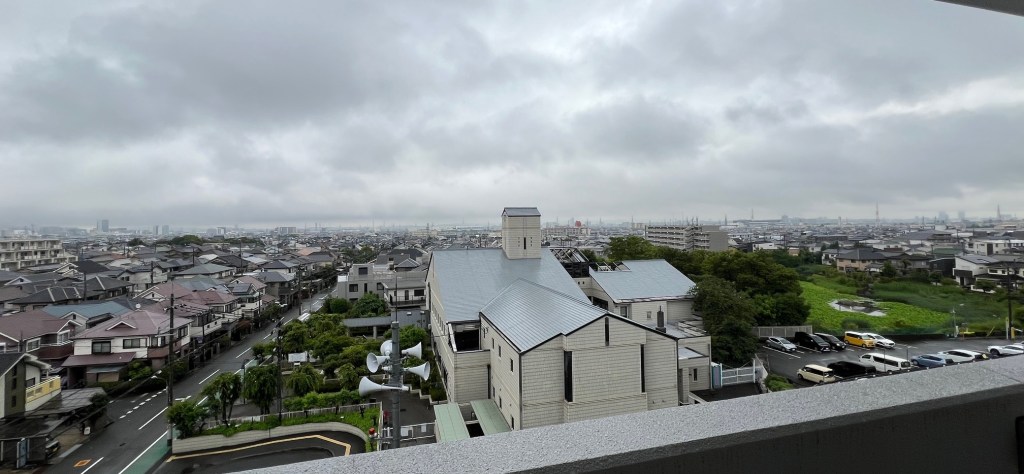
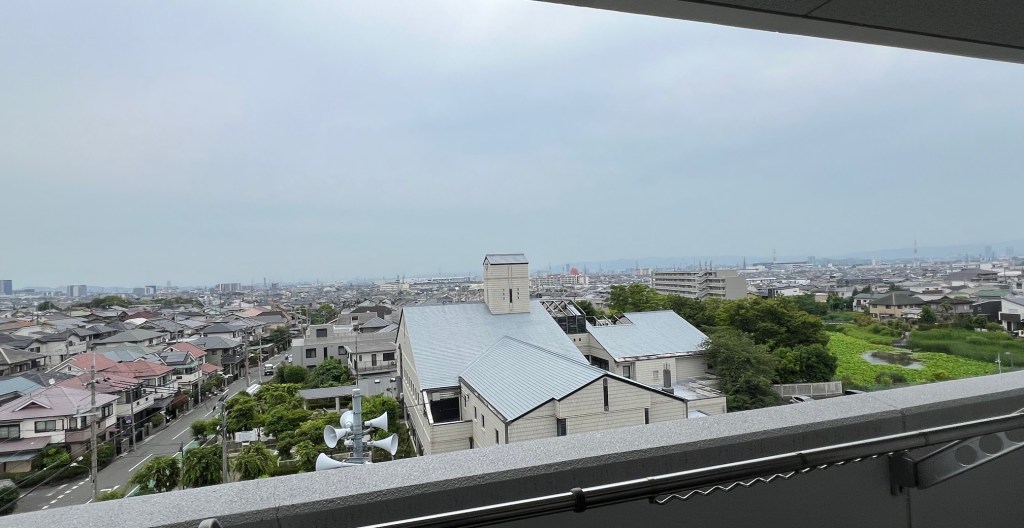
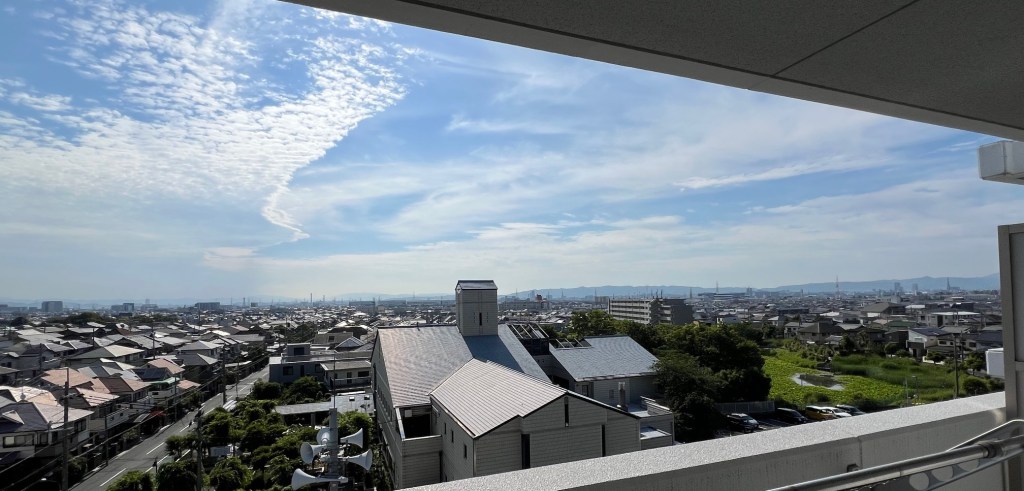
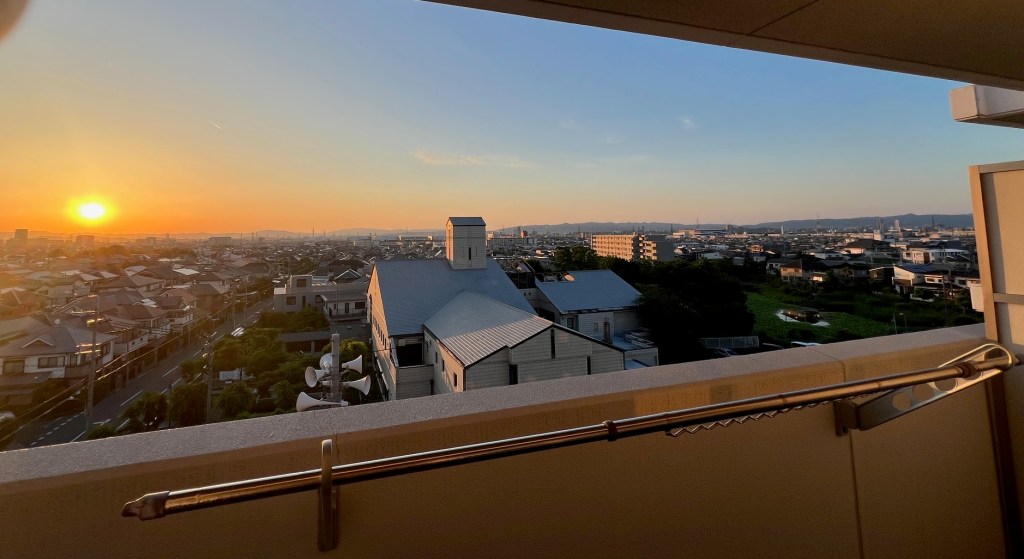
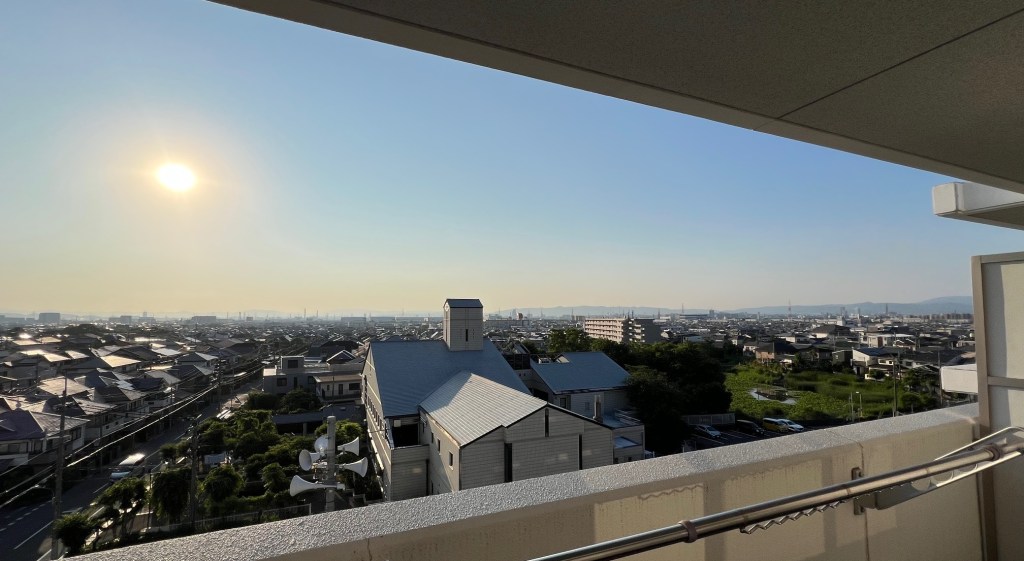
    I went to bed around 10 p.m. last night, so I ended up waking at about 4 in the morning. It seems my internal clock is set to six hours of sleep. I would really prefer to get at least seven hours, so I crawled back under the covers. Around 5 a.m., I got up briefly to take a photo of the sunrise. The photo at the top is from this morning. I like that my window faces east—when the morning light enters my room, it’s easier to reset my mindset for the day. Since I’m usually out at work during the day, east-facing is actually better than south-facing for me. Wanting to make up for the lack of sleep yesterday, I got back in bed after taking the photo and slept for another hour. Thanks to that, I felt good this morning.

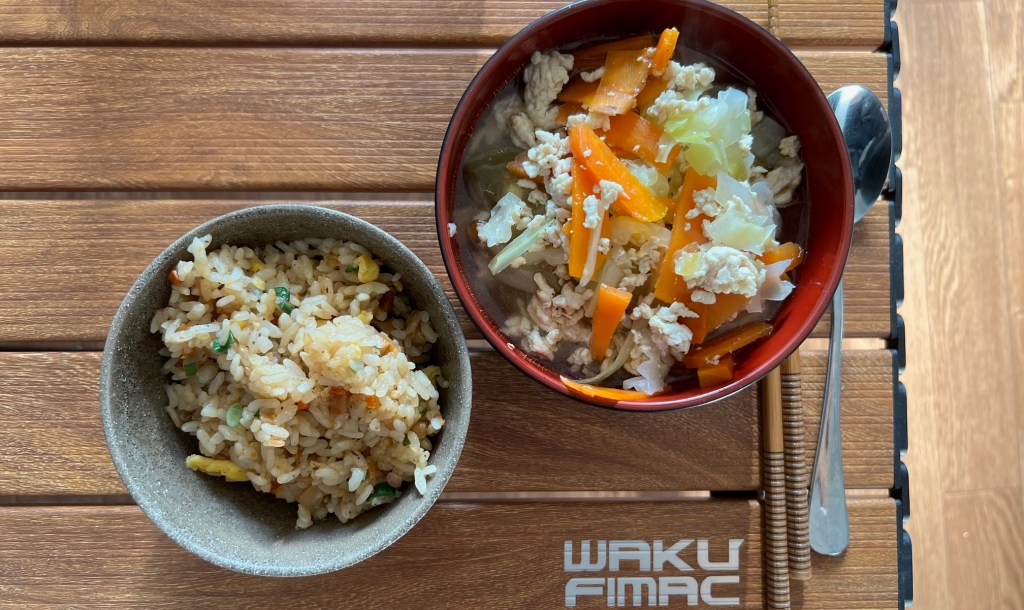
    For breakfast, I had frozen fried rice and some chicken-and-cabbage consommé soup I had made in advance. “Oops, I forgot to add the green onions,” I thought, but I’d already started eating and didn’t feel like getting up to go back to the kitchen—so I just finished it as it was. Every time I buy frozen fried rice, I try a different kind and enjoy comparing the flavors. Today’s choice was a low-fat mixed fried rice—40% less fat.

    While eating, I watched the morning news. There was a report about Ukraine launching a large-scale drone attack on a Russian air base on June 1st. Since the invasion of Ukraine by Russia began in February 2022, there still seems to be no clear path to a ceasefire. The number of civilian casualties is heartbreaking. The situation has shown little sign of improvement, and the war now looks set to drag on. Even Donald Trump, who was said to have been quite eager to promote ceasefire negotiations, recently made a cynical comment: “Might as well just let them fight for a while.”

    Seeing such news, I felt a deep sense of loss and helplessness—but still, I went about getting ready for work. I made some coffee and washed the dishes. I wanted to buy some rice, but lately it’s gotten too expensive. Most rice sold in stores comes in 5 kg bags, which is too much for someone living alone like me. A 2 kg bag would be plenty, but they’re rarely available. Until the government’s emergency rice reserves start circulating, I guess I’ll be relying on frozen fried rice for a while. “Yeah… I’d like to expand my cooking repertoire a bit,” I thought, trying to shake off the gloom. “Maybe I’ll try making ginger pork this weekend.”

    Heading off to work, I noticed the sun’s rays felt stronger than before—summer is clearly approaching. The shopping street was, as usual, bustling with people, cars, and bicycles. Compared to Naruse, there seemed to be more young people here. Naruse had a much higher proportion of elderly residents—it felt like a town that epitomized Japan’s aging population.

    Work went smoothly today, without any major issues. I work at a pump manufacturing company. When I joined in 2020, I didn’t understand much—pump performance, characteristics, materials selection—it was all a mystery to me, and I seriously wondered how I’d manage. But now, in my fifth year, I’ve gained a fair amount of knowledge. When I hear technical explanations, I can visualize the internal structure in my mind.

    For lunch at the company cafeteria, I went with my go-to dish: tempura soba. The grated ginger garnish was subtle, just the way I like it. “Although… the broth is a bit on the salty side,” I thought—but still, I like that this meal lets me load up on green onions and seaweed. I’m deeply grateful to be able to enjoy a warm meal every day. Japan is probably one of the most stable and affluent countries in the world.

    Hans Rosling, in his 2018 book Factfulness, explains the global income distribution like this:
    Out of the world’s 7 billion people, about 1 billion live on less than $2 a day, with their entire lives consumed by the struggle to secure drinking water and food. Around 3 billion live on $2–$8 a day, barely managing to afford a motorbike or small appliances. About 2 billion can afford refrigerators and cars, though saving money remains difficult. And the remaining fewer than 1 billion live on over $32 a day—enough to attend university or travel abroad.

    Roughly 800 million people are undernourished worldwide. In low-income countries, it’s normal for women and children to spend hours every day just fetching water. Around 20% of the global population lives in slums—without access to clean toilets or safe housing. In Japan, food is abundant, yet about 5 million tons of it is wasted every year. Clean, drinkable water comes straight out of the tap. Earthquake-resistant housing and advanced appliances are the norm here. But these “normal” things would cease to be normal with even the slightest change in environment.

    One of the biggest factors behind poverty is political instability.
    For example, South Sudan is one of the poorest countries in the world. Having gained independence only in 2011, it has been plagued by civil war and ongoing political unrest. Hunger and displaced populations are serious issues. Infrastructure is almost nonexistent; education and healthcare barely reach the people.
    Somalia, too, has suffered decades of civil war and terrorist attacks from the Islamic extremist group Al-Shabaab, along with droughts and floods that worsen food shortages.
    In Myanmar, the elected government led by Aung San Suu Kyi was overthrown in a 2021 military coup, and many civilians lost their lives. Suu Kyi remains imprisoned—I wonder if she’s doing okay.
    The Democratic Republic of the Congo is essentially in economic collapse due to ongoing conflict and the presence of armed groups. Child soldiers, forced labor, and human rights violations are widespread.
    Meanwhile, Afghanistan under the Taliban, the slums of Bangladesh, and Gaza continue to suffer—conflicts and humanitarian crises that are in the news constantly.

    So, what is it that I can actually do?
    I make a modest monthly donation to UNICEF, but in truth, it’s less about helping those in need and more about convincing myself that I’m doing something.
    Realistically, I probably can’t do much at all.
    The power of a single civilian is, as Hiroyuki Itsuki wrote in A Drop in the Great River (1998), just that—a single drop in a vast river.
    And yet, we human beings are creatures capable of such irrational acts.
    Perhaps what’s truly important is being aware of that very nature.
    To recognize our own sinfulness, and at the same time, to appreciate the profound dignity of simply living each day.
    In order to prevent even a single tragedy, I will make whatever effort I can in my own life, and devote myself to that.
    What one person can do, in the end, is to live out their life fully—and pass on that way of being to the next generation.
    I believe that acknowledging one’s own powerlessness, and still choosing to keep going—that very stance is what true strength is.

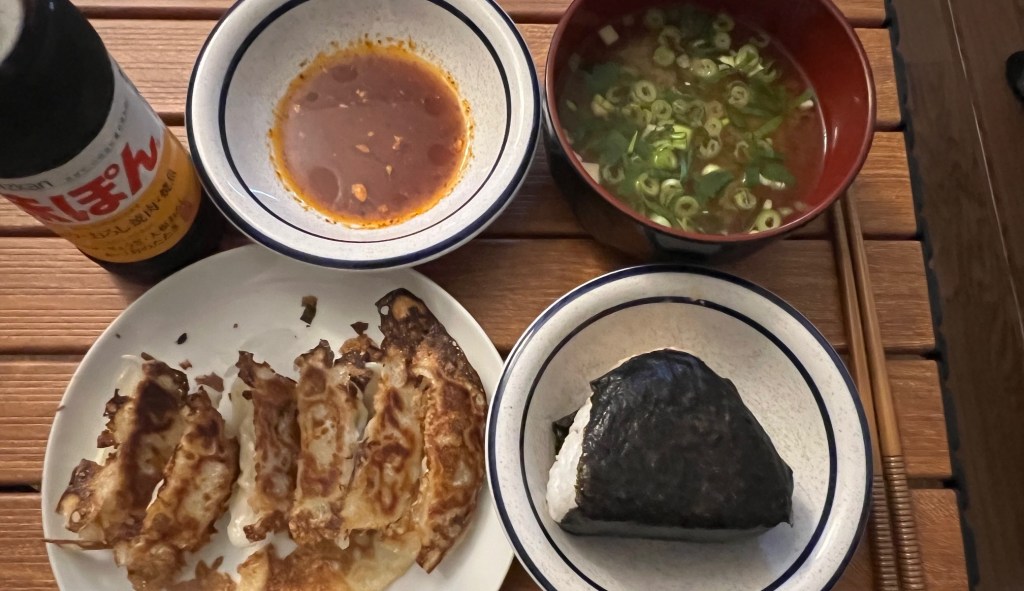
    Tonight, I have a tennis lesson scheduled from 8:30. Since I’ll be exercising, I kept dinner light—some gyoza with ponzu and chili oil, plus a rice ball I picked up from the store. I added chopped green onions to my instant miso soup.
    Tennis feels a bit like yoga to me sometimes.
    While I play, I occasionally find myself meditating to calm my mind.
    The human heart is fragile, so easily broken.
    I want to take care of mine—to keep it steady, so it won’t be crushed by the absurdity of the world.

  • Thursday, June 5th.
    I woke up with a jolt. It was 6 a.m. The curtain was half open, and morning sunlight streamed into the room.
    Despite how much I drank last night, my body naturally wakes up around six. Strange.
    Still a little dazed, but no headache. I splashed cold water on my face, then took a shower.
    Breakfast was simple—salmon chazuke.
    I ground fresh coffee beans with a hand mill, brewed it with care, and poured it into a pot. The coarse grind made for a mellow yet richly flavored cup.

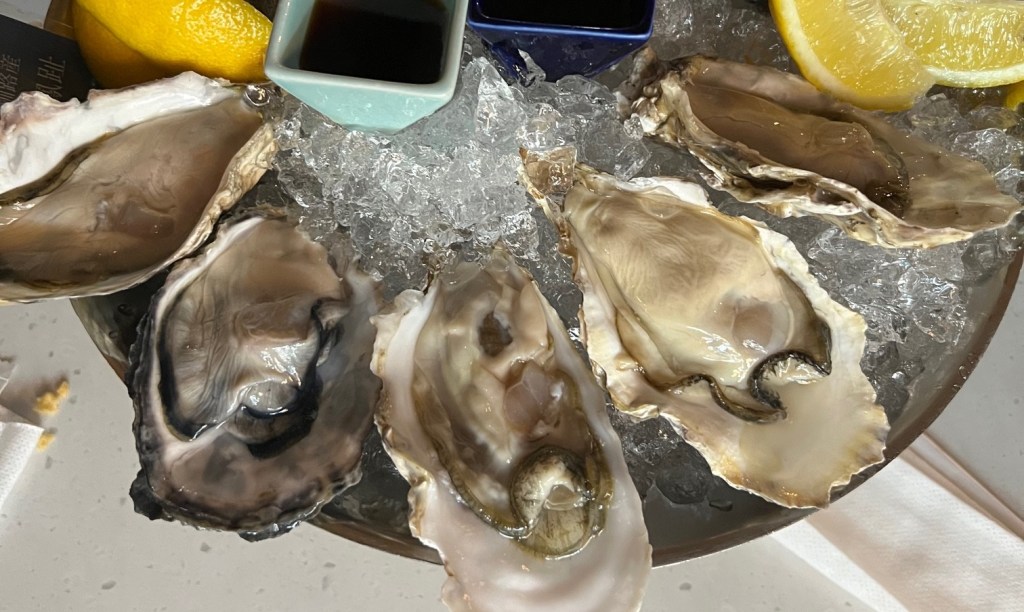
    Last night, I had dinner with colleagues at a seafood-focused Italian restaurant known for its oyster dishes.
    The place is called “Umeda Wharf,” about a five-minute walk from Hankyu Umeda Station in Osaka.
    It was my first time visiting Umeda, and I found it to be a very polished business district.
    The restaurant occupied the entire ground floor of a commercial building. Its interior combined wood and white tones, with soft orange lighting and candlelight creating a relaxed, Mediterranean atmosphere.
    The weather was perfect, so we had reserved a terrace table under a large beige parasol.

    While it was still light out, three of us—another Japanese colleague and a young Malaysian man in his 30s—chatted for a while.
    About an hour later, a young Vietnamese man and a Malaysian woman joined us.
    Before we knew it, the table was filled with laughter and lively conversation.
    The Malaysians were Muslim and didn’t drink, and were mindful of what they ate. But they could eat oysters, which was a relief.
    Raw oysters, fried, gratinéed, grilled, in soup and pasta—the fresh dishes kept coming, and we all cheered with delight.
    The Malaysian man, who has lived in Japan since 2013, had just gotten married last year. Apparently, 700 guests attended his wedding reception. We Japanese were stunned.
    While Malay is the official language of Malaysia, English is its second language.
    Everyone spoke Japanese very well, casually switching between English and Japanese without missing a beat.
    Even as someone older, I was spoken to on equal footing, with honest and unfiltered emotions.
    I followed suit and became completely engrossed in the conversation.
    “Yes, this is it.”
    This is the kind of conversation I want to have.
    Since moving from a foreign-affiliated company to a traditional Japanese one, I’ve struggled a bit with the corporate culture here. I’ve been studying English all this time just to feel this way.

    Japan is a society deeply rooted in the value of wa—a form of harmony that emphasizes maintaining group cohesion and avoiding conflict above all else.
    Though things are slowly changing, there’s still a pervasive belief that not speaking one’s mind equals being considerate. It’s common to match the opinions of elders or superiors, or to say vague, diplomatic things as a form of social grace.
    Few countries elevate the dichotomy of honne (true feelings) and tatemae (public façade) to a core cultural principle like Japan does.
    I believe this is why many foreigners find Japan so mysterious.
    Though I’m Japanese, I’ve always felt uncomfortable with this style of communication.
    That’s why I find the directness of foreigners not only refreshing, but comfortable.
    Working at a global company, with frequent international interactions, had felt more natural to me.
    I suppose it’s partly due to the environment I was raised in.

    And so, carrying the warm afterglow of last night, I wrapped up my work today.
    I had a tennis lesson scheduled for 7 p.m., but I was just too sleep-deprived.
    I canceled and rescheduled for tomorrow.
    I want to play tennis twice a week on weekdays, but I still haven’t quite found the ideal rhythm.

  • I woke up at 6:15 in the morning. When I opened the window, the sky was clear and the sun was dazzling. The room felt a little warm. It seemed I had run out of coffee.
    For breakfast, I had instant miso soup and rice with a raw egg dropped on top, seasoned with a dash of soy sauce. Tomorrow is recycling day. Since I had plans to go out for dinner with a friend tonight, I took care of the recycling in the morning—cardboard, styrofoam, and plastic bottles.
    The collection site has a roof and is built like a small shed with block walls, so there’s no concern about the trash getting ruined by rain even if I drop it off a little early.

    On my way to work, I listened to jazz by Sarah Vaughan. It didn’t quite match the morning scenery, but I’ve always liked jazz.
    I’ve never been good at doing other tasks while listening to music, but jazz is the one exception—it never disturbs me and serves as a comfortable background.
    The sun was strong today. I saw some women walking with parasols.

    Work was fairly busy. It took a bit of time to format the submission documents according to the client’s specifications. That task alone consumed half the day, and I felt there’s still room for improvement in that process.

    This evening, I went out to a seafood Italian restaurant to have oysters with some colleagues.
    There were two Malaysian coworkers, one Vietnamese, and two Japanese including myself. I appreciate the Japanese colleague who invited me.
    It’s been a while since I’ve had such a pleasant conversation. I hope this kind of connection continues.

    That’s it for today—sorry to end abruptly. Tomorrow night, I have a tennis lesson scheduled.

  • Tuesday, June 3rd. I woke up at 6:30 to the alarm on my phone, but fell back asleep and finally got up at 6:45, saved once again by the iPhone’s snooze function. As always, I opened the curtains. It’s raining today. The sky is covered in clouds, and I can’t see the sun. I washed my face with cold water and shaved. For breakfast, I poured soy sauce over some leftover soup and rice from yesterday, with a raw egg cracked on top. Since I got up later than usual, the morning felt rushed. I changed into a dress shirt, started boiling coffee for my thermos, and washed the dishes. Today is burnable garbage day, so I took out the trash. Thursday is recycling day, but we had so many cardboard boxes stacked up at home that I decided to bring a portion of them out today too.

    With my work backpack on my back, a garbage bag in my left hand, and a bundle of cardboard boxes and a large umbrella in my right, I walked down the stairs and out of the apartment building.

    The rainy commute was crowded as usual with students in uniforms. Carrying a big umbrella, I was careful not to bump into anyone. This area seems to have a solid bicycle culture—even in weather like this, people pedal along in raincoats.

    I arrived at the office and climbed the stairs to the locker room. “Good morning.” Everyone I passed greeted me politely. I scanned my timecard. I’m getting used to this routine. I put my umbrella in my otherwise empty locker and headed to the office.

    Today’s workload wasn’t as pressing as yesterday’s. I received a reply via email from the design team about an inquiry I’d made, and I got the information I needed. I reviewed the technical documentation once more and asked a colleague to check it over. There were 40 different technical documents in total this time.

    Lunchtime. I went down to the cafeteria alone. I chose shrimp tempura soba today, with extra seaweed and green onions. I topped it with shichimi chili powder, grated ginger, and dried kelp—my usual lunchtime combo. Since I had a hearty breakfast, I only got a small portion of barley rice. Hmm… I may have added a little too much ginger. The flavor’s a bit strong. A slight misstep.

    While waiting for my drawings to be checked in the afternoon, I had some free time, so I confirmed the details of upcoming project tasks with a colleague. Each client has different operational rules, so I suspect it’ll take time to get used to them. I spent the rest of the afternoon catching up on recent industry news.

    On the way home, I stopped by the supermarket to buy chicken breast, carrots, and olive oil. I’ve grown a bit tired of pork lately, so I was planning to make soup with chicken. “Hmm? No chicken breast? That’s unusual. Well, they have minced chicken—guess that’ll do.” “Carrots cost about the same whether you buy one or three. Maybe I’ll get three. Can I use them all, though?” Thinking these little things over, I finished shopping and hurried home. The sky was heavy and gray. A light drizzle came and went, but not enough to need an umbrella. I’ve gotten used to carrying groceries home in a suit after work. I feel like I go to the supermarket every other day. I wonder how much I’m spending on food.

    Once home, I took a bath, dried my hair with a hairdryer, and started preparing dinner. Different ingredients, but lately it’s always the same process—boiling cabbage, chicken breast (this time, ground), and chopped carrots. I flavored it with consommé, salt, and pepper for a Western-style soup. Served in a bowl with chopped scallions and a drizzle of olive oil, the chicken and cabbage consommé soup was complete. Since I had rice with egg in the morning, I fried some frozen fried rice for dinner.

    Not bad. “Maybe the minced chicken brought out more flavor,” I thought. “The carrots turned soft thanks to the longer simmering,” “I used scallions because we had them, but onions might’ve worked too,” “Ginger could be nice as well.” But I’d used too much ginger at lunch, so I wasn’t in the mood to use it again.

    Ahh. With dinner done, I finally felt at ease. Right now, I’m sipping a scotch and soda. No background music—I prefer quiet. I was supposed to have a tennis lesson today, but since I played two days in a row over the weekend, I decided to rest. Tomorrow, I’ve been invited to a seafood Italian dinner near Osaka Station by a few coworkers. Some colleagues from Vietnam and Malaysia are joining too. I’m really grateful they invited someone older like me. I’m looking forward to it.

    So dear readers, tomorrow’s post might be on hold. Sorry about that.